
Tokyo, the vibrant capital of Japan, is renowned for its fusion of ancient traditions and cutting-edge innovation. This bustling metropolis with a population of over 13 million residents offers diverse experiences and opportunities that attract individuals from all around the world, including tech entrepreneurs to cultural enthusiasts.
However, along with its many attractions, Tokyo also consistently ranks among the world’s most expensive cities to live in. The cost of living here can significantly impact your budget, whether you’re planning to just visit or considering making Tokyo your home.
With strategic choices about housing, lifestyle, and spending habits, you can find ways to manage costs effectively. In this article, we’ll include details about housing, utilities, transportation, food, and other essential expenses to help you plan your Tokyo budget.
Housing and Rent
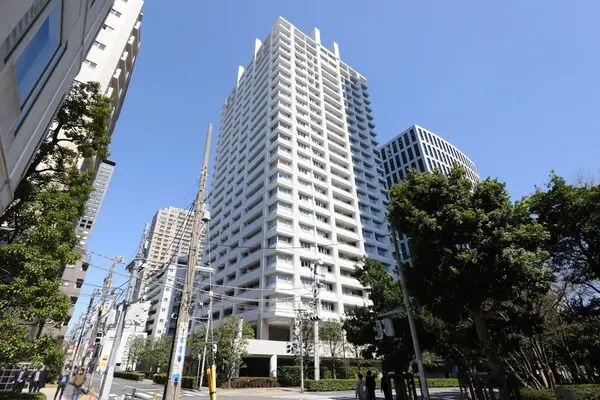
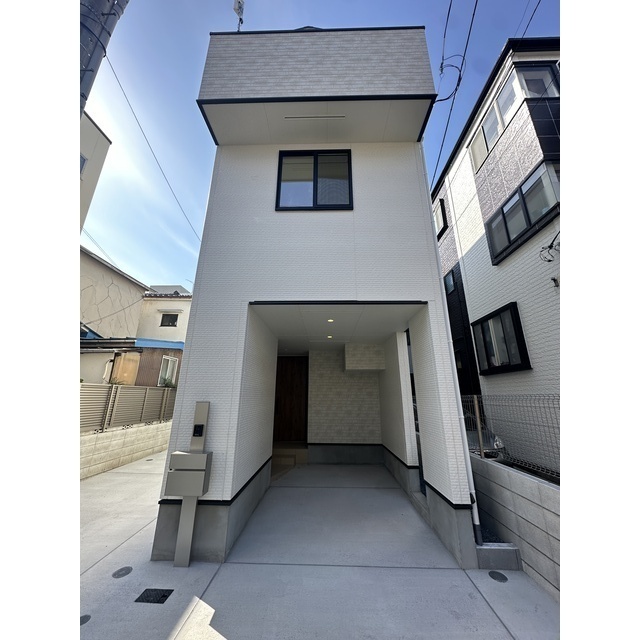
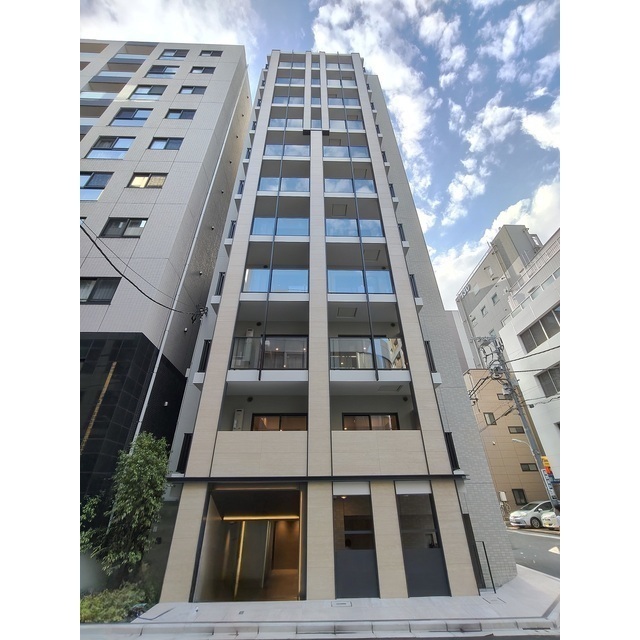
Housing is often the biggest expense for anyone living in Tokyo, and rents have been climbing steadily over the past two years. While central Tokyo is known for its premium prices, there are many options across the 23 wards and surrounding prefectures to match different budgets and lifestyles.
According to the National Association of Real Estate Transaction Associations, average rents in Tokyo’s 23 wards reached record highs in 2024 and 2025:
- Singles (≤ 30 sqm): ¥101,623/month as of June 2025 (+8.9% YoY)
- Couple-sized units (30–50 sqm): ¥165,662/month as of June 2025 (+9.8% YoY)
These figures show a sharp rise from December 2024 averages of ¥96,163 and ¥156,831 respectively, underscoring how quickly housing costs are increasing in Tokyo.
For those seeking budget-friendly living arrangements, shared apartments, compact studios, or the increasingly popular co-living spaces offer practical solutions without sacrificing comfort or convenience.
Choosing wards such as Adachi, Nerima, or Suginami, or even commuting in from nearby prefectures like Saitama, Chiba, or Kanagawa, can significantly lower monthly rent while still providing access to central Tokyo.
At the other end of the spectrum, Tokyo is also home to some of the most exclusive neighborhoods in Japan, where rental costs reflect both prestige and convenience:
- Minato Ward (Shirokane, Mita, Azabu Juban): Upscale apartments often range from ¥217,000 to ¥480,000/month for 1LDK–2LDKs, with studios in luxury towers starting around ¥186,000/month.
- Shibuya Ward (Hiroo, Aoyama, Daikanyama, Ebisu): Stylish and cosmopolitan; smaller units (1K) start near ¥140,000, while larger 2LDKs frequently exceed ¥600,000/month. Aoyama, in particular, averages ¥306,800/month for a 1LDK, one of the city’s highest.
- Meguro Ward (Shirokanedai, Jiyugaoka, Nakameguro): A refined but quieter alternative, with rents for 1K–2LDKs ranging from ¥285,000 to ¥530,000/month. Ultra-luxury residences here can reach ¥1.6M–¥2.1M/month.
- Chiyoda Ward (Bancho, Kojimachi, Ichibancho): Known for its exclusivity and historic significance, this ward commands premium pricing for privacy and prestige, though listings are less common than in Minato or Shibuya.
This wide spectrum, from budget-friendly shared housing to multimillion-yen luxury residences illustrates how Tokyo’s rental market can accommodate vastly different lifestyles and income levels.
Utilities & Communication
In addition to rent, utilities and communication expenses make up a significant part of monthly living costs in Tokyo. These can vary depending on apartment size, personal usage, and the season (air conditioning in summer and heating in winter increase costs).
- Basic Utilities (Electricity, Water, Gas):
- For a standard 1-bedroom apartment, monthly utility bills usually range between ¥10,000–¥20,000 ($75–$150).
- Larger households or heavy users may see costs closer to ¥25,000–¥30,000 ($185–$220), especially in peak summer or winter months.
- Internet:
- High-speed fiber internet plans are widely available and cost around ¥4,000–¥6,000 ($30–$45) per month.
- Many apartments require a setup fee when first connecting, typically ¥5,000–¥10,000 ($40–$75).
- Mobile Phone Plans:
- Major carriers (NTT Docomo, au, SoftBank) offer plans starting at around ¥7,000–¥9,000 ($50–$65) per month for unlimited data.
- Budget-friendly MVNOs (Rakuten Mobile, LINEMO, IIJmio, etc.) provide plans between ¥2,000–¥4,000 ($15–$30) for 5–20GB, making them popular with younger residents and expats.
Overall, a single resident in Tokyo can expect to spend ¥20,000–¥30,000 ($150–$220) per month on utilities and communication, while couples and families may spend more depending on consumption and data needs.
Food
Tokyo boasts a diverse culinary scene, offering everything from budget-friendly street food to upscale dining experiences.
A simple meal at a local noodle shop or casual eatery can cost as little as ¥500–¥1,000 ($3.50–$7.50). A meal at a mid-range restaurant typically costs between ¥1,000 and ¥3,000 ($7.50 to $22). International chains and izakayas (Japanese pubs) are also widely accessible in this range.
Weekly groceries in the city can set you back approximately ¥15,000 to ¥25,000 ($110 to $185), depending on your shopping habits and dietary preferences. Imported items (cheese, wine, specialty sauces) can be significantly more expensive compared to local staples like rice, tofu, and seasonal produce.
Convenience stores (konbini) such as 7-Eleven, Lawson, and FamilyMart sell ready-made meals for ¥300–¥700 ($2–$5), making them an affordable daily option.
Tokyo also consistently tops the world in Michelin-starred restaurants (over 200 stars awarded in 2024), with fine dining experiences ranging from ¥10,000 to ¥40,000 ($75–$300+) per person.
Transportation
The city’s efficient public transportation network includes trains, buses, and subways, catering to the needs of its residents and visitors. A one-way ticket for the subway or bus is priced around ¥200 to ¥300 ($1.50 to $2.25). Longer train rides, especially on lines reaching the suburbs, can cost ¥400–¥700 ($3–$5) each way.
For frequent commuters, a monthly commuter pass (teikiken) offering unlimited rides is available for ¥10,000 to ¥15,000 ($75 to $110), providing both convenience and savings. Prepaid IC cards like Suica and Pasmo can be used across trains, buses, and even at vending machines and convenience stores.
Taxis start at around ¥500–¥600 ($3.50–$4.50) for the first 1 km, with fares increasing by distance and time.
Bicycles are a popular option for short commutes, with many neighborhoods offering rental bikes and docking stations. Many residents choose to live in nearby prefectures such as Saitama, Chiba, or Kanagawa and commute into the city.
Overall, transportation in Tokyo is not only reliable but also relatively affordable compared to other major global cities, especially when using commuter passes or IC cards.
Entertainment
Tokyo is a hub for entertainment, ranging from historical landmarks to contemporary cultural events. Admission fees for museums or attractions typically fall between ¥500 and ¥2,000 ($3.70 to $15).
Popular destinations like the Tokyo Skytree or teamLab Planets are pricier, typically ¥2,500–¥3,800 ($18–$28) per ticket.
Concert and event tickets can vary greatly, with prices generally ranging from ¥3,000 to ¥10,000 ($22 to $75), depending on the artist or event’s popularity.
A standard cinema ticket costs about ¥1,900 ($14), with discounts available on “Cinema Day” (the first of each month) or student tickets.
A night out in Shinjuku or Roppongi (drinks and izakaya dining) can run ¥4,000–¥7,000 ($30–$55) per person.
If you are into sports, tickets to a Yomiuri Giants baseball game at Tokyo Dome typically range ¥2,000–¥8,000 ($15–$60).
Tokyo’s entertainment scene is as diverse as its neighborhoods—whether you’re seeking budget-friendly cultural outings or indulgent nightlife, you’ll find options that fit your lifestyle.
Recent Devaluation of the Yen Making Tokyo More of a Bargain
The recent devaluation of the Japanese yen is affecting the cost of living in Tokyo in a few ways:
- Imported Goods: Japan heavily relies on imported goods, including food, energy, and raw materials. When the yen is devalued, the cost of these imported goods can be passed on to consumers through higher prices. While relatively modest relative to rates in the rest of the world, inflation has been causing the prices of many consumer items to rise during the past 6 – 9 months. These price increases have shocked many Japanese, as retailers have traditionally feared passing along extra costs.
- Travel: A weaker yen can make travel to Japan more affordable for visitors from other countries and residents. This can, however, increase the demand for travel to Tokyo, which can, in turn, increase the cost of hotels and other travel-related expenses for visitors.
- Investment: A weaker yen can make Japanese exports more competitive, increasing foreign investment in Japanese companies. This can create job opportunities and stimulate economic growth, which can, in turn, affect the cost of living in Tokyo. Lately, Japan has been experiencing a boom in foreign direct investment.
Overall, the impact of the devaluation of the Japanese yen on the cost of living in Tokyo can be complex and depend on various factors, including the specific goods and services being purchased, the strength of the economy, and global economic trends.
Also, the old saying “what goes around, comes around” may apply to the yen’s value. Foreign exchange rates tend to vary widely but often have a way of rebalancing on a cyclical basis.
Tips for Reducing Expenses in Tokyo
Living in Tokyo can be expensive, but there are several ways to reduce living expenses:
- Live Like a Local: While often easier said than done, the most effective method of keeping expenses to a minimum is to live like a local. This may, however, mean that you may need to compromise a portion of the lifestyle to which you may have become accustomed abroad.
- Consider Living outside the City Center: The old saying about real estate, “location, location, location,” is undoubtedly applicable in Tokyo. Living in the suburbs or neighboring cities can be significantly cheaper than living in the heart of Tokyo. While commuting may be longer, the transportation system is efficient and reliable, which can offset the cost of transportation.
- Consider Living in a Smaller, Less Expensive Apartment: Cheap apartments in Tokyo may not be luxurious or spacious, but they can be a viable option for those on a tight budget who are willing to make some sacrifices in terms of space and amenities. It’s essential to carefully consider the location and features of a cheap apartment before committing to ensure that it meets your needs and budget.
Cheap apartments in Tokyo are often small, with a total living space of around 10-20 square meters. These apartments typically have a single room that serves as a bedroom, living room, and kitchen.
Inexpensive accommodations in Tokyo may not have a separate kitchen or bathroom and, instead, may have a kitchenette and a shared bathroom.
Such living quarters are often in older buildings that may need repairs or renovations. They may also lack modern amenities such as air conditioning or elevators.
- Look for Shared Accommodation: Renting a room in a shared apartment or house can be a cost-effective way to live in Tokyo. Sharing living expenses such as rent, utilities, and groceries can save significant money.
- Use Public Transportation: Tokyo has an extensive public transportation system, including trains, buses, and subways. Purchasing a monthly pass can be cheaper than buying individual tickets. At the very least, avoid taxis and walk from place to place whenever possible. If you own a car, avoid expressways with expensive tolls and choose the least costly parking lots likely, as the cost of parking can add up very quickly.
- Cook at Home: Eating out in Tokyo can be expensive, so cooking at home can save a lot of money. Grocery stores and supermarkets offer various affordable options for food and household essentials.
- Take Advantage of Free or Discounted Activities: Tokyo has many free or discounted activities, such as visiting parks, museums, and shrines. Look for free or discounted admission days, coupons, and special offers.
- Shop at Discount Stores: Tokyo has many discount stores that offer a variety of products at lower prices than regular stores. These stores include Don Quijote, Daiso, and Seria.
- Compare Prices: Before purchasing, compare prices at different stores and online. This can help you find the best deals and save money.
Overall, reducing living expenses in Tokyo requires careful planning and budgeting, but with the right strategies, it is possible to live in Tokyo without breaking the bank.
Tokyo presents a captivating fusion of tradition and innovation, making it an alluring destination. Living in this thriving metropolis can be expensive, but understanding the various expenses empowers you to make informed decisions.
By carefully evaluating housing, food, transportation, and entertainment options, you can balance cost and quality. Embrace the unique character of Tokyo while finding ways to manage your budget and discover the countless opportunities that await in this vibrant city.