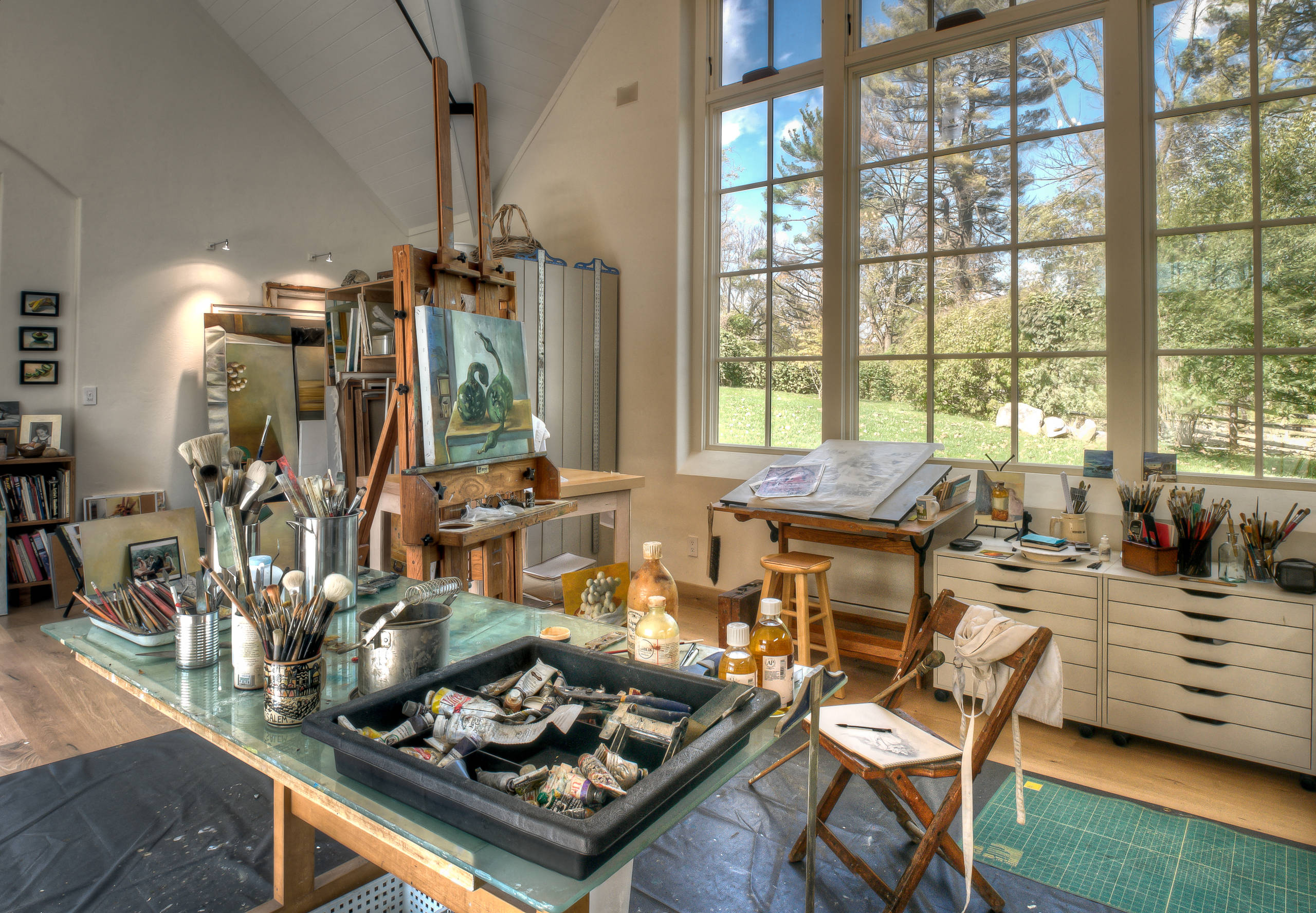
Recently, we’ve had the pleasure of welcoming a number of artists to our office in search of studio space here in Tokyo. We’ve seen such a variety of mediums–paint, glass, clay–each with its own specific requirements for space, ventilation, light, and more.
Unfortunately, Tokyo doesn’t offer many spaces designed explicitly with artists in mind. That said, we’ll explore some of the available options so you can decide which might best suit your needs.
Renting an Apartment

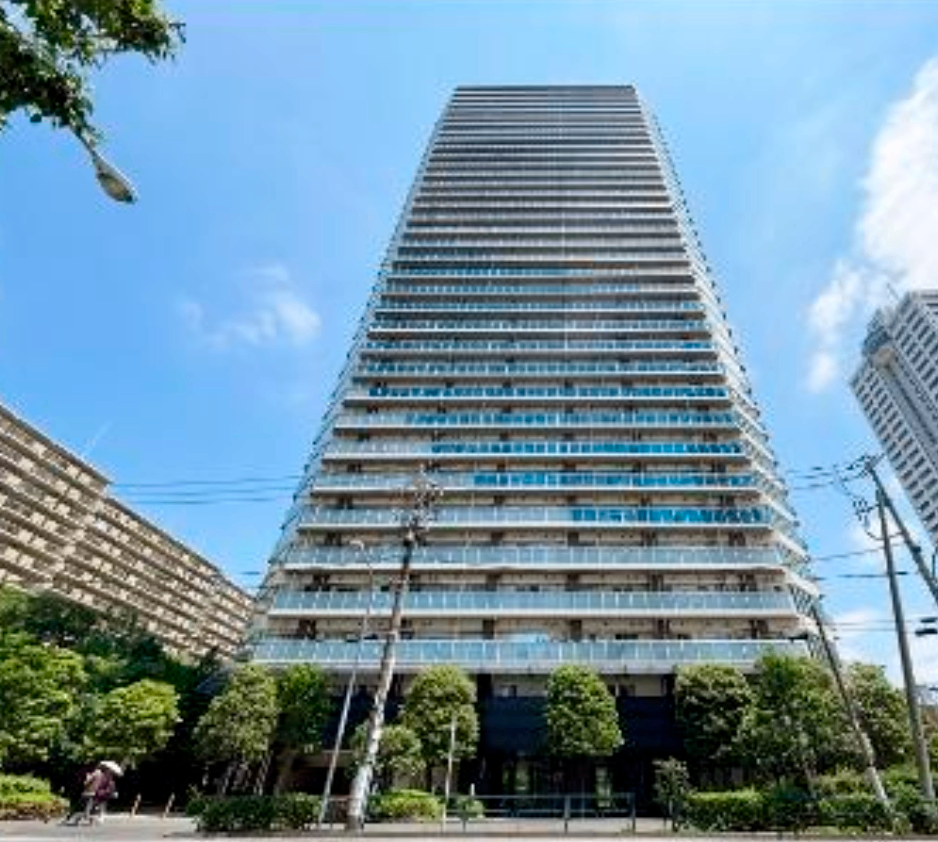
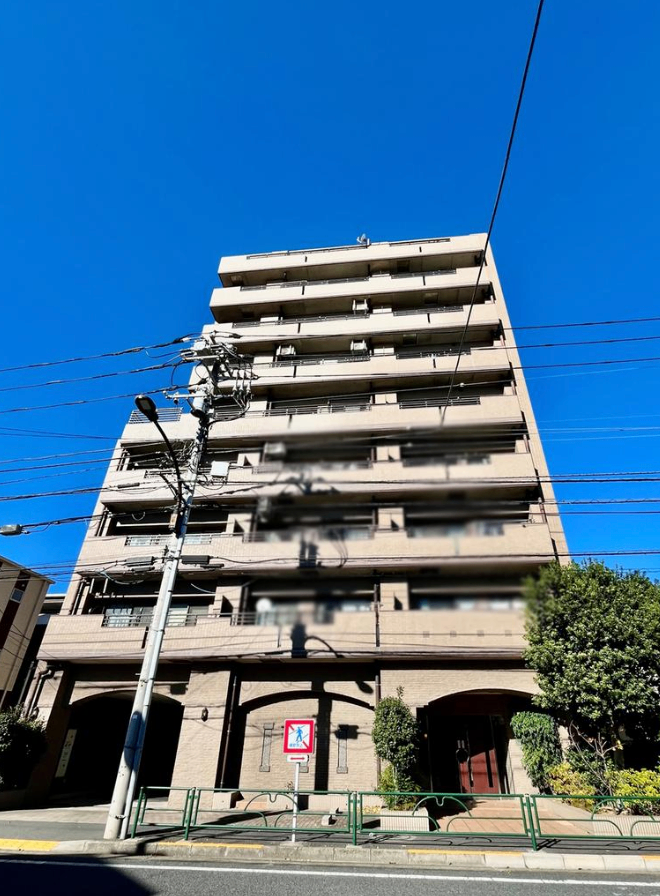
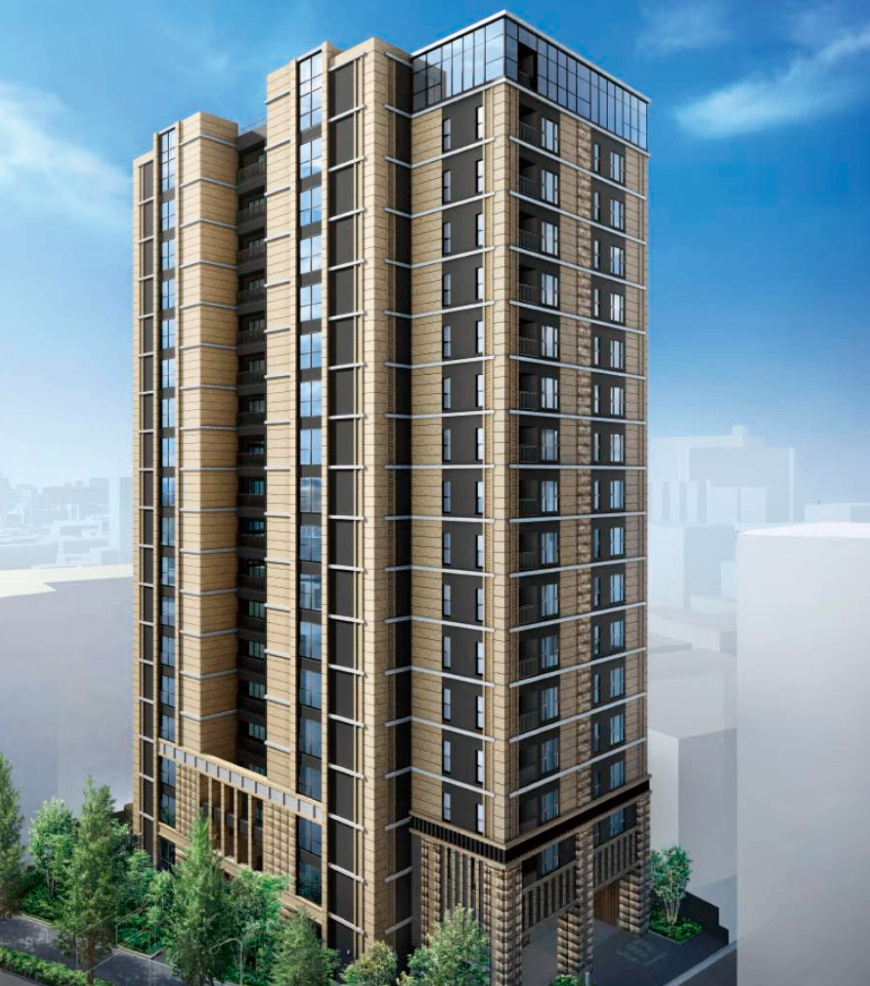
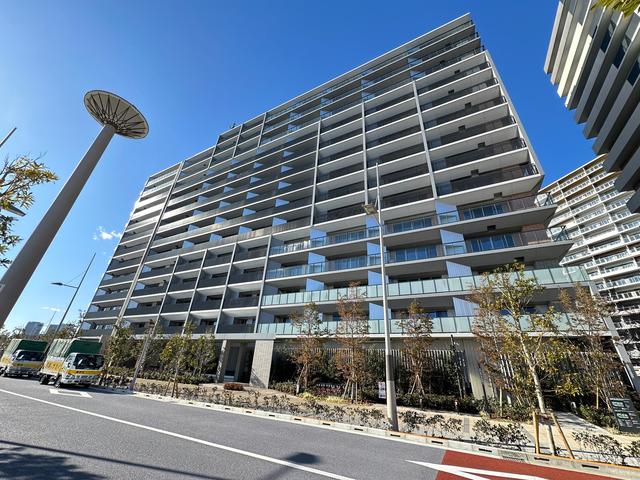
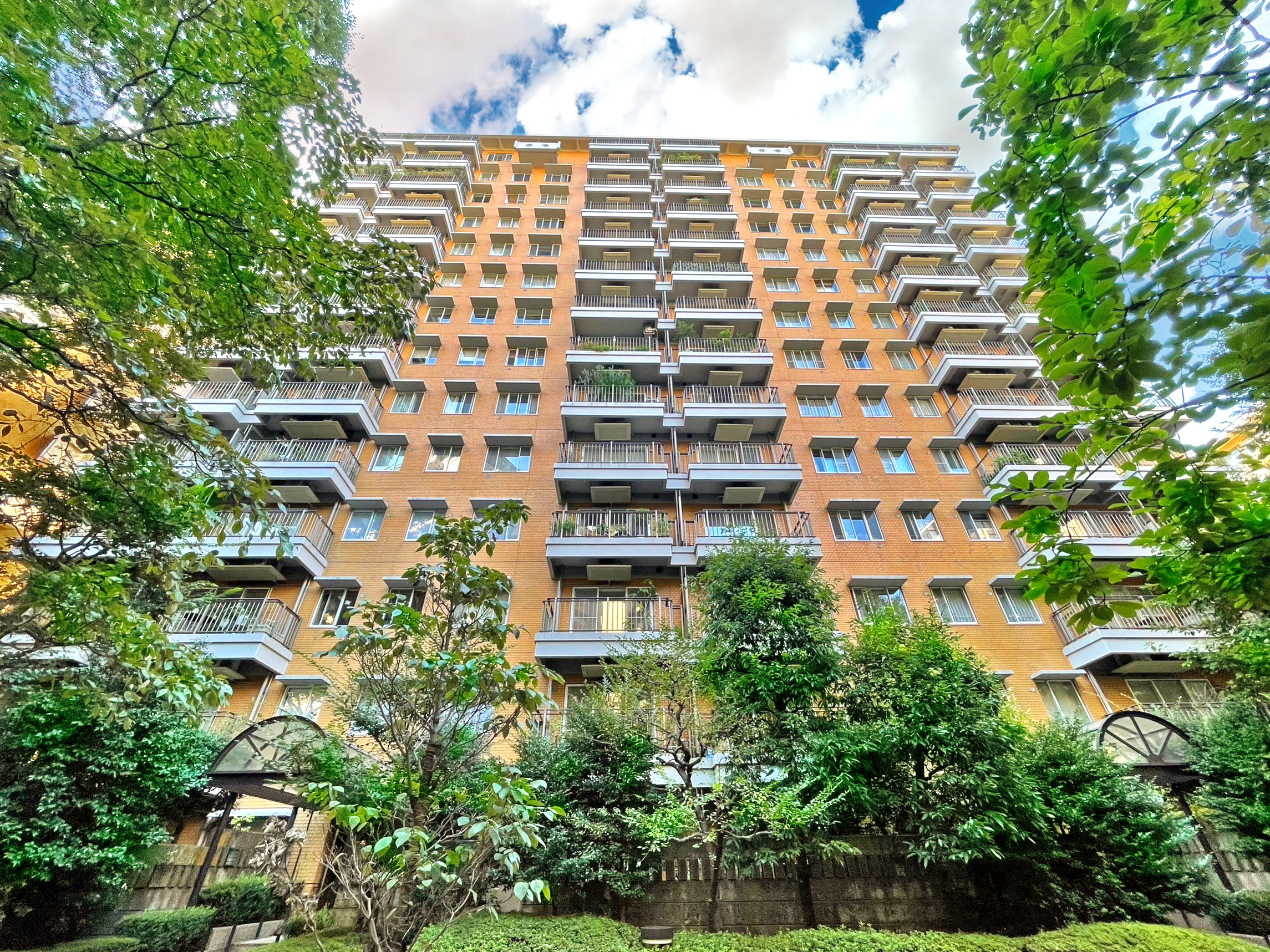
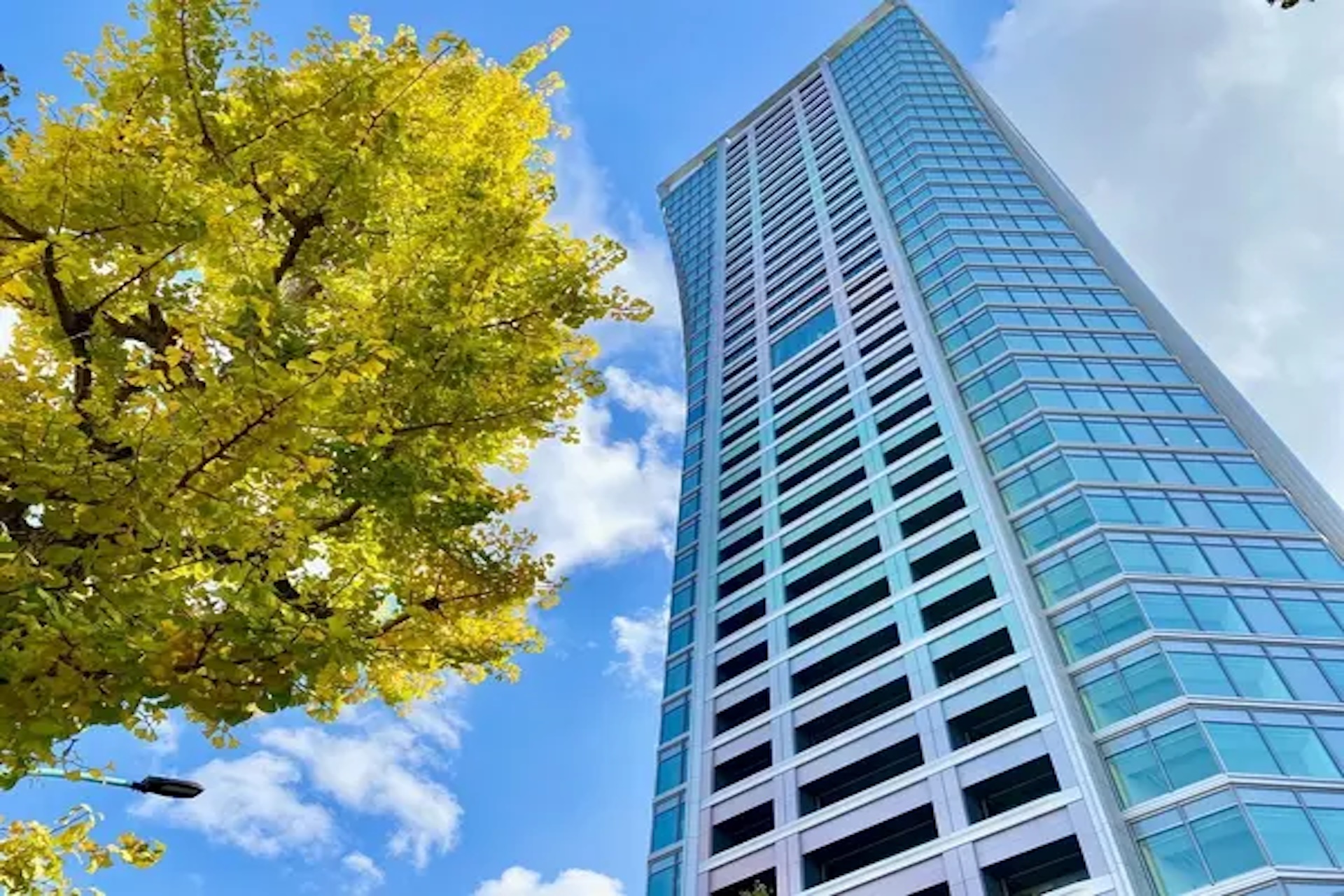
In most cases the best course of action is to find a small studio apartment to use as a studio. This is of course best suited to those painting, sewing, or other activities that don’t require intense heat (furnaces, kilns, etc.). The benefits of renting a small apartment as your studio is that you are in no way limited by location, as your options are “wherever there are apartments”, i.e. almost anywhere in Tokyo.
Furthermore, you have your choice as to the size and kind of space you want, be it an industrial studio with concrete accents, or a traditional one bedroom with tatami mat floors. For those who value privacy and complete creative freedom, having a space entirely to yourself can be invaluable — you can set your own hours, arrange your tools exactly as you like, and leave works-in-progress out without worrying about shared space etiquette.
In terms of cons, unless you can find an apartment with no key money or deposit, you will be facing the usual upfront costs of renting an apartment. This means that although you have found a studio for only ¥80,000 a month, you might be looking at around ¥500,000 in initial costs. These rental apartments are in many cases going to be a minimum two year contract, so for short term visitors to Japan this is by no means worth the start up cost or the cancellation fee.
In addition, depending on the apartment, you may also face noise or odor restrictions from the landlord, which can limit the type of work you’re able to do. Ventilation issues for spray painting or hot tools are also something to consider.
Shared Studio

There are slowly but surely an increasing number of buildings being purposefully set up with artists in mind popping up around Tokyo. There are certain spaces purpose made for painting, sewing, and pottery for example. These spaces are less flexible than renting your own space as you would need to adhere to regular operating hours and booked time slots for use.
That being said, if you’re only in Japan for a short while, the longer term contracts of a rental apartment may not be ideal, nor would buying all new supplies. The benefit of these shared rental studios is that they come equipped with the supplies you need and no minimum stay. They can also provide an unexpected social benefit — working alongside other artists often sparks inspiration, collaboration, and the opportunity to learn from peers with different skill sets.
Well-known options include Terrada Art Studio in Tennoz, which offers professionally equipped painting and sculpture rooms, and 3331 Arts Chiyoda, a renovated school building turned creative hub with rental studios and exhibition spaces.
Classes

Of course, if you’re hoping to dabble – be you on holiday and looking for a creative outlet, or trying a new craft – there are plenty of classes around Tokyo. There are floristry and ikebana workshops, pottery, kintsugi, painting, still life drawing, kiriko, glass blowing, anything your heart desires and more. These classes are dotted in and around the city allowing Tokyoites to try their hand at any crafts they like.
Many of these workshops also offer beginner-friendly guidance and all necessary tools, so you can immerse yourself in the craft without the need to invest in expensive equipment. For instance, Atelier Zuga (pictured) in Meguro runs everything from still life drawing to printmaking, while Tokyo Glass Art in Itabashi offers hands-on glassblowing sessions suitable for complete beginners.
Building a House
If you know you will be staying in Tokyo long term it might be worthwhile to consider finding a plot of land in your favorite part of Tokyo and designing a house with all the facilities you need. Specialist equipment like kilns and crucibles often requires prior planning and purpose-made facilities, so constructing your house with this in mind – you could even construct a gallery to display your creations.
Before committing to wall colors for a studio, gallery, or other creative space, you can also use an AI Paint Visualizer tool to preview different options in a photo of the room and see how they work with the space’s lighting, flooring, and existing finishes.
Should this be the route you’d like to take we can most certainly make the introductions you need to have your ideal creative space to allow you to get into your flow and create. For artists intending to turn their practice into a full-time livelihood, having a custom-built workspace can also become a statement piece — a home that reflects and supports your artistic identity both functionally and aesthetically

Conclusion
Tokyo might not be overflowing with purpose-built artist studios, but with a little creativity, the city offers plenty of ways to carve out your own space. Whether it’s converting a modest apartment, joining a shared studio community, taking short-term classes, or going all in with a custom-built home, there’s a solution for every stage of your artistic journey.
The right environment can elevate not only the quality of your work but also the joy you find in creating. In a city as dynamic as Tokyo, inspiration is never far away — the key is finding the space that lets you capture it.