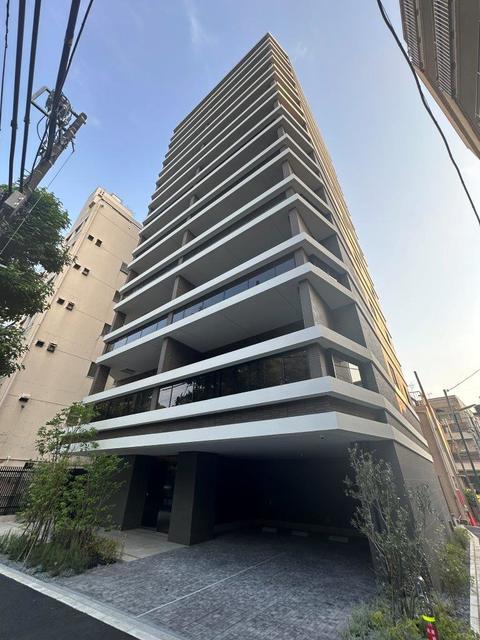

Whether you’re tired of renting, looking for an investment, or dreaming of your own slice of Japanese life, the good news is: yes, foreigners can buy property in Japan. (Although for how much longer given the current political climate is anyone’s guess – but that’s for another article).
And the process, while a little different from back home, is relatively straightforward once you know the steps.
Let’s break it down.

Upfront Costs When Purchasing a House in Japan
When purchasing real estate in Japan, there are several fixed, non-negotiable costs that apply to all buyers—whether Japanese or foreign.
Title Transfer Tax (登録免許税)
This is a one-time tax that legally registers your name as the new owner of the property. It’s typically 0.15% to 2% of the property’s government assessed value, depending on the property type and whether it’s new or used.
Agent Commission
In most cases, buyers use a real estate agent, and that agent is entitled to a commission. This is regulated and capped by law:
(3.3%) + (¥66,000)
For example, on a ¥50 million home (~$310,000 USD), commission fees would be just over ¥1.7 million.
Other One-Time Costs
You may also need to pay:
- Judicial scrivener fees (for legal paperwork)
- Stamp duty (¥10,000–¥60,000+ depending on contract value)
- Administrative costs for mortgage registration (if taking out a loan – see below)
Expect total upfront costs to be about 6–8% of the purchase price.

Buying with a Mortgage in Japan
If you’re planning to finance your purchase with a mortgage, you’ll need to meet several conditions. It’s possible – but there are hoops to jump through.
Employment and Residency
Most banks will only lend to foreigners who:
- Are residing in Japan
- Have permanent residency (PR), or at least long-term stability
- Have steady employment, preferably at a Japanese company
- Earn income in Japanese yen
Self-employed? It’s tougher, but not impossible. You’ll need strong financial records.
Income and History Requirements
To qualify for a home loan, you typically need:
- 3–5 years of tax returns filed in Japan
- A minimum annual income of around ¥3 million (~$20,000 USD), though many lenders prefer ¥5M or more
Even then, approval isn’t guaranteed. Banks assess everything: your savings, visa status, debt, and the property itself. You might be disqualified if you have a bad credit history, among other similar reasons.
Banks won’t lend for properties constructed before the 1981 Earthquake Codes, which went into effect on all buildings completed after mid-1984, so if you’re looking to do up an older property keep this in mind. Other reasons that a bank may not lend to a property or a plot of land might be: leasehold properties, non-buildable land (entrance from the street is less than 2m wide), properties in landslide prone areas, etc.
You cannot use a mortgage to buy a house you don’t intend to live in. This is very much on a case by case basis. If you intend to leave Japan for a long time and rent out your place, be sure to inform your bank and confirm the terms and conditions of your individual contract. If you intend on buying a property uniquely as an investment, this would require an investment loan which have higher APRs than mortgages.
What to Bring with you to the Bank
When going to ask for a loan there are a couple documents you need to bring with you:
- A copy of the listing (図面 zumen)
- Proof of Japanese income from last year
Loan Timeline
From application to approval, getting a mortgage can take 4–8 weeks, sometimes longer. Then there’s final documentation, loan execution, and registration—so from start to finish, budget at least 2–3 months.
Popular Lenders
Some banks that have historically worked with foreign borrowers include:
- Shinsei Bank
- SMBC Trust
- Prestia (SMBC)
- Suruga
Tangent: some banks, like Mizuho, require marriage with a Japanese national if you don’t have PR.
Interest rates are often surprisingly low by global standards—0.5–1.5% for variable-rate loans. You can expect to get a loan for approximately 6~8 times your annual salary. In regards to how much the bank will loan towards the property, you will very rarely get 100% of the value of the property. If you don’t have permanent residency, you should expect a maximum of 80%, i.e. putting down a down payment of 20%.

Buying with Cash
If you’re paying cash, the process is faster and less paperwork-heavy.
What You’ll Need
- Proof of identity (passport + resident card)
- Inkan (personal seal) or signature
- Deposit funds (usually 10%) on contract signing
Timeline
If you’re a cash buyer, the process can be completed in as little as 3–5 weeks, depending on the seller’s situation and whether the title is clean.
Cash purchases also have stronger negotiation power—especially in a slower market or with older homes.

Annual Costs: Ongoing Fees to Expect
Once you’ve got the keys, there are a few annual or recurring costs to factor into your budget. Note: other than commission and stamp duty all percentages are based on the government assessed value. This value is often revealed around the contracting stage of the process and is usually around 50~70% lower than the list price.
Property Tax (固定資産税) & City Planning Tax (都市計画税)
Combined these two taxes 1.7% of the government assessed value for Tokyo.
Management Fees (for Condos)
If you’re buying a condominium, expect monthly management and repair reserve fees—typically ¥10,000–¥50,000/month depending on the building’s age and amenities.
What Kind of Property Can You Buy?
Foreigners can legally buy:
- Standalone homes (戸建て住宅)
- Condominiums (分譲マンション)
- Land (土地)
However, there are a few caveats:
- Many “homes” on the market may be leasehold, not freehold. If you find a good property that’s much cheaper than the houses around it this might be why.
- Older homes depreciate fast—many Japanese buyers place more value on the land
- Earthquake resistance and renovation potential are key factors for foreign buyers
Final Thoughts: You Don’t Have to Do It Alone
Buying a house in Japan is a big step, but it’s not as scary as it sounds. The key is to work with people who know the market and know how to guide international clients through it.
At Tokyo Portfolio, we’ll help you:
- Find a property that suits your needs
- Navigate the paperwork
- Liaise with lenders and scriveners
- Translate contracts
- And get you moved in, smoothly and legally
Whether you’re planning your future in Tokyo, relocating your family, or just buying a second home abroad, we’re here to make it happen.
Ready to take the first step? Let’s talk.