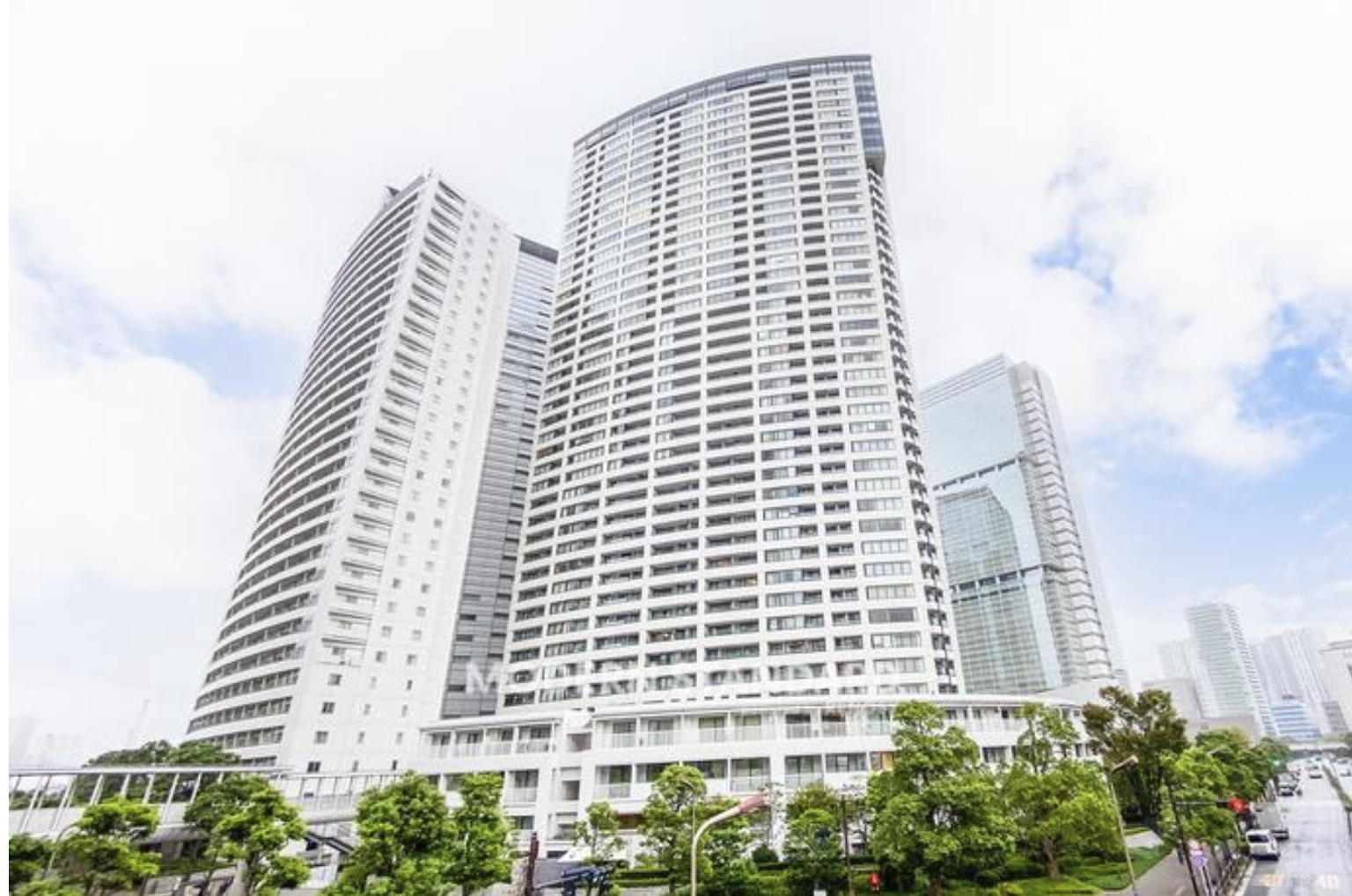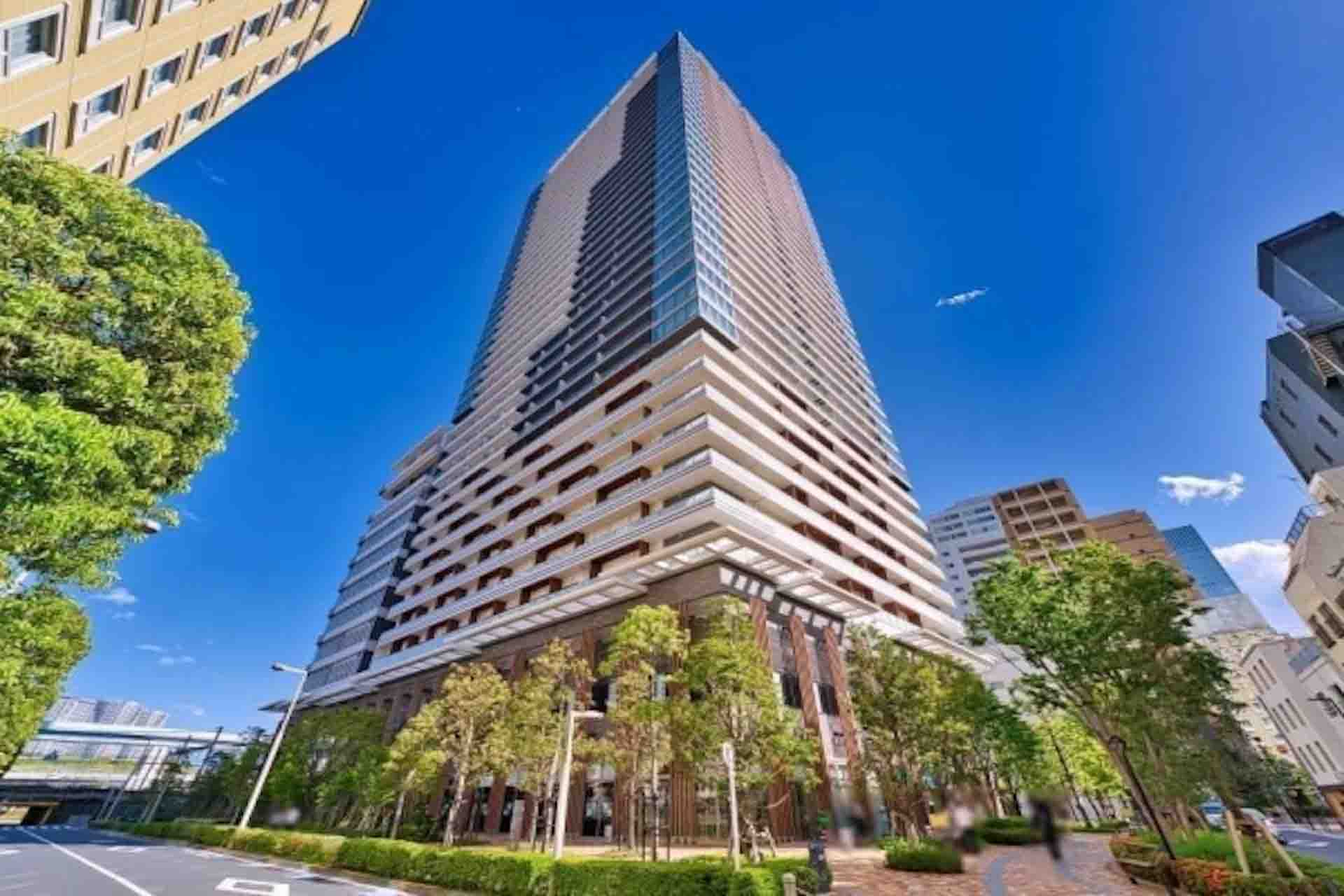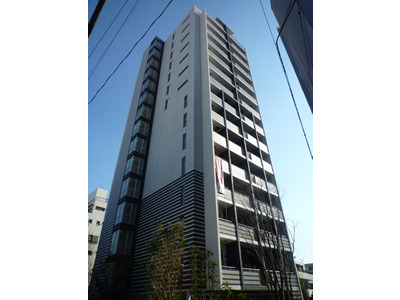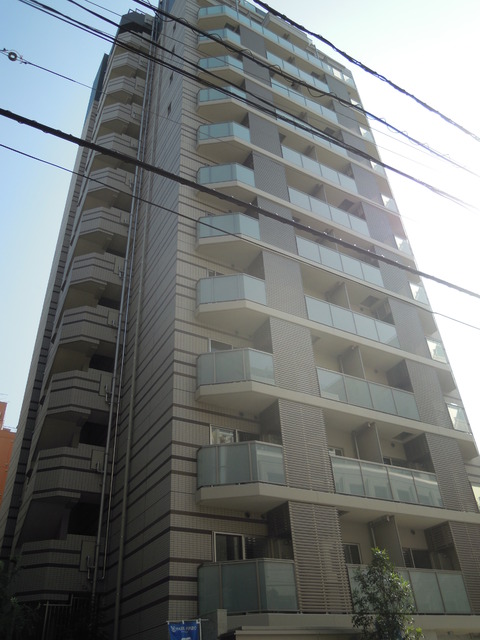

Japan is moving towards a significant inheritance tax reform that could spell the end of a well-known real estate tax loophole. For years, savvy investors have used high-rise condos (known as “tower mansions”) and other property investments to sharply reduce their inheritance tax burden.
But new rules expected in 2026 aim to bring property valuations closer to market reality, closing this “condo tax loophole” once and for all.
What is the “Tower Mansion” Loophole?
In Japan, inheritance tax on real estate has historically been calculated not on full market value, but on government-assessed values that often undervalue properties.
A key metric is the rosenka (路線価), an official roadside land valuation updated annually by the National Tax Agency. The rosenka values tend to be lower than actual market prices, especially in urban centers. In many cases, a property’s inheritance tax valuation might be around 80% of its market price, and for prime central Tokyo condos it can drop below 50%.
High-rise condominium apartments (often called “tower mansions” in Japan) have been a textbook case of this undervaluation. These luxury units on upper floors fetch sky-high market prices thanks to great views and city-center locations, yet their inheritance tax value is artificially low.
Why? Largely because the tax valuation formula spreads the building’s land value equally across all units, high and low. An upper-floor penthouse might sell for twice the price of a lower floor unit, but from a tax standpoint, they have the same land valuation share. In other words, the taxable “value” of a ¥100 million penthouse could be only ¥50 million or less, regardless of its true market worth.
On top of that, Japan’s inheritance tax calculation allows debts to offset asset values. Wealthy individuals took advantage of this by financing their condo purchases with large mortgages.
For example, an investor might buy a ¥100 million condo with a ¥100 million loan – for inheritance purposes the ¥100 million property might be valued at ¥50 million, and after subtracting the ¥100M debt, the net taxable value is negative. Essentially, by converting cash into a “tower mansion” and leveraging it with a loan, some estates wiped out their tax liability entirely.
This tower mansion tax hack became so prevalent that it earned a nickname: “Tawaman” tax shelter. The benefit for investors was clear: “You pay a lot less tax if you move your cash into real estate.” And indeed, many affluent Japanese and even foreign buyers did just that, snapping up pricey condos as inheritance tax havens.
This drove additional demand into the Tokyo condo market from buyers motivated less by rental yields or capital appreciation and more by the tax advantages of holding property over cash. However, tax authorities have long viewed this loophole as unfair and distortive, since it incentivizes asset shifts purely for tax avoidance and undermines the tax base.
Government Cracks Down: 2024 Tweaks and the 2026 Overhaul
Recognizing the problem, the Japanese government has been moving step-by-step to tighten inheritance tax rules on real estate. In 2024, the National Tax Agency (NTA) introduced corrective measures specifically targeting high-rise condos (the tower mansion loophole).
While details are technical, these measures signaled that authorities would no longer turn a blind eye to glaring valuation gaps. Essentially, they started adjusting how ultra-high floors in condo towers are assessed, to shrink the huge gap between their tax value and market price. This was the first shot across the bow – the tower mansion tax breaks were beginning to wane.
Now, even bigger changes are on the horizon. In November 2025, Japan’s Tax Commission unveiled draft proposals that would overhaul how all real estate is valued for inheritance tax purposes.
These changes – expected to be part of the 2026 tax reform – go far beyond high-rise condos. The goal is to base valuations on more realistic metrics, closing loopholes not just for condos but also for other investment-oriented properties. Here are the key shifts being proposed:
- Using Purchase Price + Market Adjustment: Instead of defaulting to rosenka land values or other dated formulas, the starting point would be the price the deceased originally paid for the property, adjusted for how land values have moved since thenpatiencerealty.com. After this adjustment, the value would be discounted by roughly 20% to account for selling costs or minor value differences. This new method essentially uses historical cost plus market indexation – a major change from the current method. For many properties, especially long-held ones, this could produce a significantly higher taxable value than the old roadside-value method.
- Closer Alignment with Market Prices: By anchoring on actual transaction prices (what someone paid) and market trends, the revised approach is expected to yield values much nearer to true market value, thus raising the taxable base on inherited real estate. The government’s aim is clear: boost inheritance tax revenue and stop estates from benefiting when official values lag far behind reality.
- Ending Rental Property Discounts: Under current practice, rental properties (like apartment buildings or houses with tenants) get big valuation discounts because having tenants is seen as a “usage restriction” that lowers the property’s immediate value. In fact, an apartment building that is full of tenants can be valued at a fraction of its sale price for tax purposes. The example presented by the Tax Commission was striking: a rental apartment building in Tokyo’s Chiyoda Ward purchased for ¥2.1 billion in 2019 was assessed at only ¥420 million for inheritance in 2022. That’s just 20% of the purchase price – an enormous discount that the heirs enjoyed. The new rules would prevent such steep under-valuations, likely by factoring in rental income or otherwise recognizing that a fully leased building is in fact more valuable, not less.
The 2026 inheritance tax reform aims to replace formulaic assessments that often ignored rental yields, building value, and real demand with approaches that consider real prices and market evidence. If enacted into law, this would be one of the biggest shifts in Japan’s inheritance tax rules in decades, fundamentally changing estate planning calculus for property owners.
What It Means for Foreign Investors and Property Owners
For international investors and foreign residents in Japan who own (or plan to buy) local real estate, these changes are important to understand. Many overseas buyers have been drawn to Tokyo real estate not only for its investment potential but sometimes as a tax-efficient asset to hold. If you’ve heard that “Japanese real estate has a reduced tax valuation” compared to cash, that was true – but it’s about to change.
Heirs inheriting property in Japan – regardless of nationality – are subject to Japanese inheritance tax on that property. This means if you’re a foreigner with a Tokyo condo and you pass away, your heirs may face a Japanese tax bill on that condo (even if the heirs live abroad).
Until now, the condo’s taxable value might have been much lower than its actual worth, softening the tax blow. Going forward, however, you should expect a much closer-to-market valuation, meaning a potentially larger tax obligation for your estate. In short, the tax shelter aspect of high-rise condos is likely going away.
Could this reform impact property prices? It just might. Part of the demand for luxury condos in Tokyo has been driven by their usefulness as tax shelters. Real estate agents observed that some wealthy individuals were buying “for the inheritance advantage, not just the investment”.
If that advantage diminishes, some speculative demand could cool. We might not see a crash (many other factors support Tokyo property values, from ultra-low interest rates to urban desirability), but a gradual correction or at least a plateau in the ultra-luxury segment could occur as the tax-driven buyers pull back.
On the flip side, real, end-user demand and rental investors will dictate prices more than tax considerations, which is arguably a healthier market dynamic.
Striking a Balance Between Investment and Tax Planning
Japan’s upcoming inheritance tax reform is fundamentally about fairness and preventing abuse. The vast majority of home buyers, especially ordinary families, weren’t buying condos as tax dodges; they were buying places to live or rent out. Those genuine reasons remain valid and unaffected by the rule change.
For the segment of buyers (including some overseas investors and Japan’s own wealthy citizens) who were partially motivated by the inheritance tax play, 2025 might be a year of transition.
We could see a last-minute rush by some to acquire assets under the old valuation rules – though any purchases made too “last minute” carry risk, as illustrated by cases where authorities reclassified deathbed purchases as cash transfers. Ultimately, it’s safer to assume the new rules will be in effect by 2026, and plan accordingly.