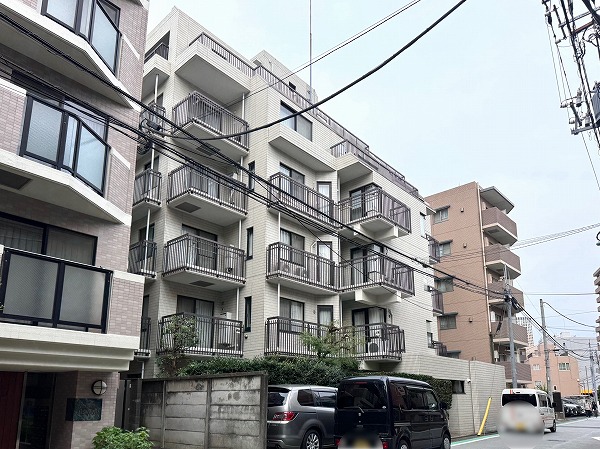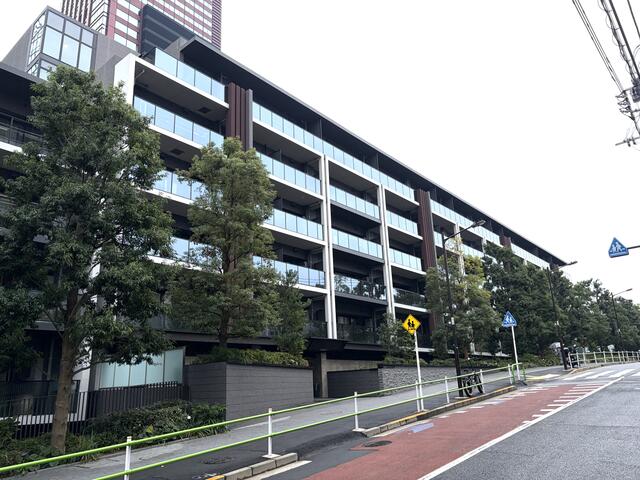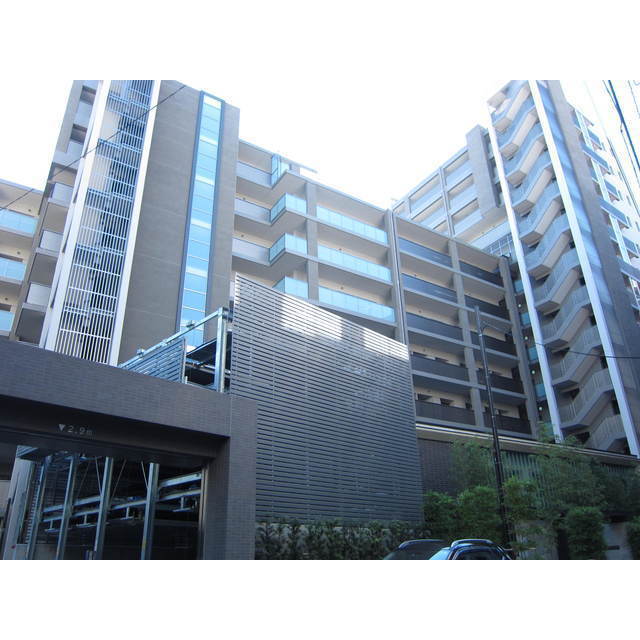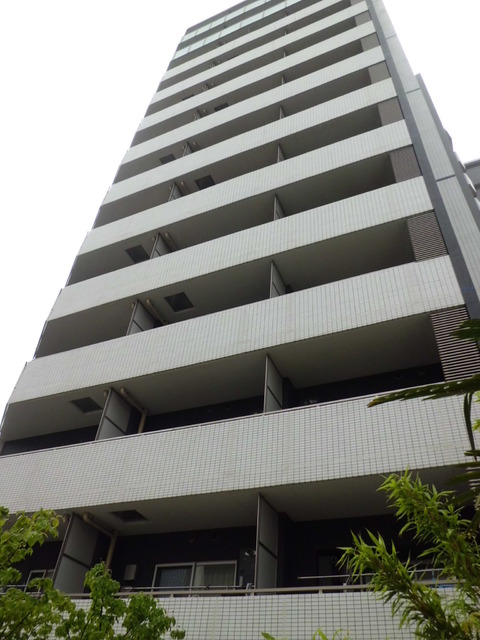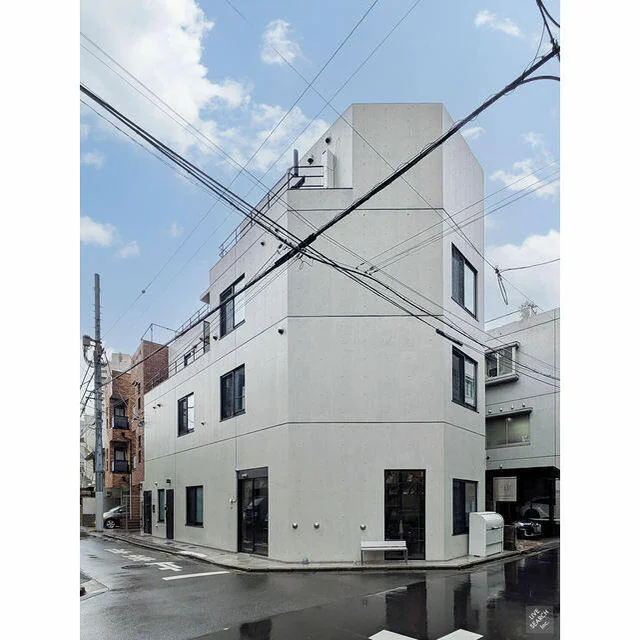
When you’re buying an apartment in Tokyo, you’ll also need to budget for monthly building fees.
Like strata fees in parts of Canada or condo association fees in the U.S., these costs are typically split into two charges in Japan: kanri-hi (管理費), which covers day-to-day building management, and shuzen-tsumitate-kin (修繕積立金), which funds future major repairs.
These fees may seem small compared to your mortgage payments, but they play an important role in keeping your building clean, well-maintained, and ready for major repairs down the road.
They also add to your overall cost of ownership, and the amounts can change over time.
In this article, we’ll cover what these fees include, what you can expect to pay in Tokyo, and what to check before buying an apartment.
What Are Kanri-hi and Shuzen Tsumitatekin?
Both kanri-hi and shuzen-tsumitate-kin are monthly fees apartment owners pay to the building’s management association.
While they’re usually listed together on property listings, they serve different purposes:
Kanri-hi (管理費): Building Management Fees
Kanri-hi covers the day-to-day costs of running and maintaining the building’s shared areas.
This includes cleaning hallways and lobbies, maintaining elevators, paying electricity bills for common areas, and covering the costs of the building’s management company or on-site staff.
Essentially, it keeps the building clean, safe, and running smoothly day to day.
Shuzen Tsumitatekin (修繕積立金): Repair Reserve Fees
Shuzen-tsumitate-kin, on the other hand, is money set aside for major repairs and maintenance work that the building will need over time.
This can include repainting exterior walls, repairing roofs, replacing aging pipes, or upgrading shared equipment such as elevators.
Because these projects can be expensive, apartment owners contribute to a shared reserve fund each month to cover costs when the work is needed.
Unlike kanri-hi, which covers ongoing building operations, repair reserve contributions fund larger, long-term maintenance projects.
How Much Are Kanri-hi and Shuzen Tsumitatekin in Tokyo?
According to East Japan REINS, the average monthly management fee for secondhand condominiums sold across Tokyo in fiscal year 2025 was ¥14,878, while the average repair reserve contribution was ¥13,788.
Combined, that’s approximately ¥28,700 per month, or ¥344,000 a year, on top of your mortgage payments, property taxes, and other ownership costs.
However, these are averages, and actual fees can vary considerably depending on the building’s size, age, and facilities.
For example, a luxury condominium with concierge services, multiple elevators, and shared amenities may have much higher monthly fees than a smaller residential building.
However, smaller buildings can also have relatively high fees because fewer owners share the costs of cleaning, maintenance, and management.
For shuzen-tsumitate-kin, the amount depends largely on the building’s long-term repair plan and anticipated maintenance costs. Older buildings may require higher contributions as major repairs become necessary.
Meanwhile, some newer condominiums start with relatively low reserve fees that are scheduled to increase over time.
Can Kanri-hi and Repair Reserve Fees Increase Over Time?
Yes, both fees can increase over time, so what you pay when you buy an apartment may not stay the same throughout your ownership.
Kanri-hi may increase as cleaning, utilities, building management, and other service costs rise. The building’s management association generally discusses and approves these changes.
Some condominiums, especially newer developments, start with relatively low repair reserve contributions that are scheduled to increase as the building gets older. This helps account for the growing cost of major repairs and maintenance.
If a building hasn’t collected enough money to cover upcoming repairs, owners may also be asked to make a one-time additional payment, known as a special assessment, or agree to higher monthly contributions.
Before buying, check whether any fee increases are already planned and whether the building’s repair reserve fund is sufficient to cover future maintenance costs.
How to Tell If a Condo’s Repair Reserve Fund Is Healthy
When buying an apartment in Tokyo, look beyond the monthly repair reserve fee to see how well the building is prepared for future maintenance.
Start with the building’s long-term repair plan (chōki shūzen keikakusho, 長期修繕計画書). This outlines major repairs expected over the coming years, such as exterior renovations, waterproofing, and equipment replacements, along with their estimated costs.
You should also review the management association’s financial statements to see how much money has been accumulated in the repair reserve fund and whether it’s sufficient for the planned work.
It’s also worth reviewing minutes from recent management association meetings for discussions of delayed repairs, unpaid fees, planned increases, or additional owner contributions.
Your real estate agent can help you request and review these documents before purchasing.
While no building can predict every future expense, understanding its financial position can give you a clearer picture of the costs you might face as an owner.
Questions to Ask Before Buying a Condo in Tokyo
Before buying an apartment, ask your real estate agent a few questions about the building’s management and repair fees.
This can help you understand not only what you’ll pay now, but also what costs might come up later.
Here are some important questions to ask:
- Are there any planned fee increases? Check whether higher management or repair reserve contributions have already been approved or are being discussed.
- When was the last major renovation? Find out when the building last underwent major repairs and when the next round of work is scheduled.
- Are there any upcoming special assessments? Ask whether owners are expected to make additional payments for repairs that aren’t fully covered by the reserve fund.
- Are there any outstanding unpaid fees? Confirm whether the apartment has any unpaid management or repair reserve fees that need to be settled before purchase.
- Are there any other monthly charges? Some buildings have separate fees for parking, bicycle storage, internet, or shared facilities.
Your real estate agent should be able to get this information from the seller or building management company.
Looking to Buy an Apartment in Tokyo?
Kanri-hi and shuzen-tsumitate-kin are a normal part of owning a condominium in Japan. While it’s tempting to look for an apartment with lower monthly fees, what’s more important is understanding how well the building is managed and whether it’s financially prepared for future repairs.
If you’re considering buying an apartment in Tokyo, our team at Tokyo Portfolio can help you find the right property, understand the ongoing costs, and know what to look for before making a purchase.
If you’re still deciding whether to buy or rent, you can also explore our Tokyo apartments for rent.
Get in touch with us to discuss your property search.