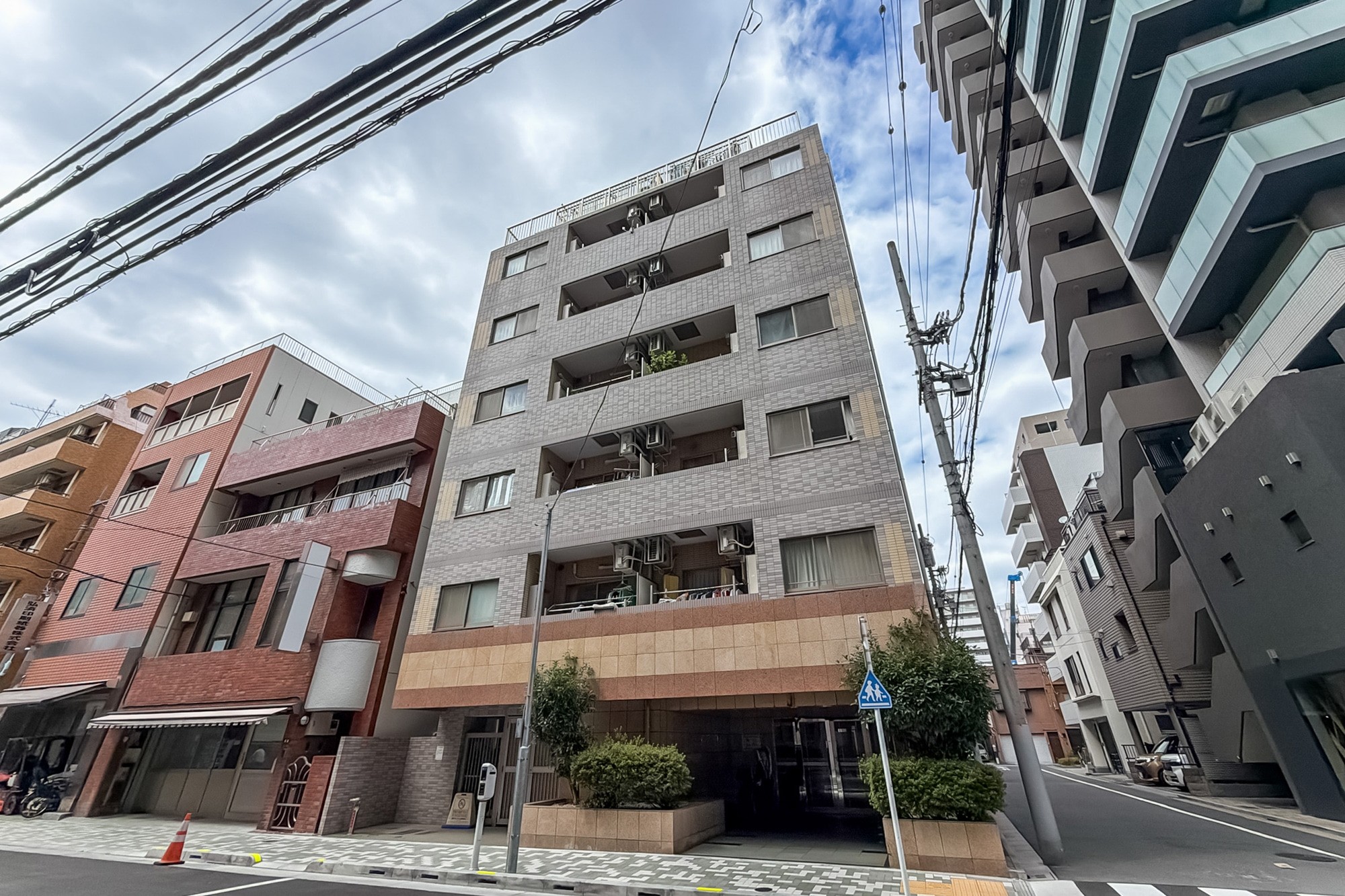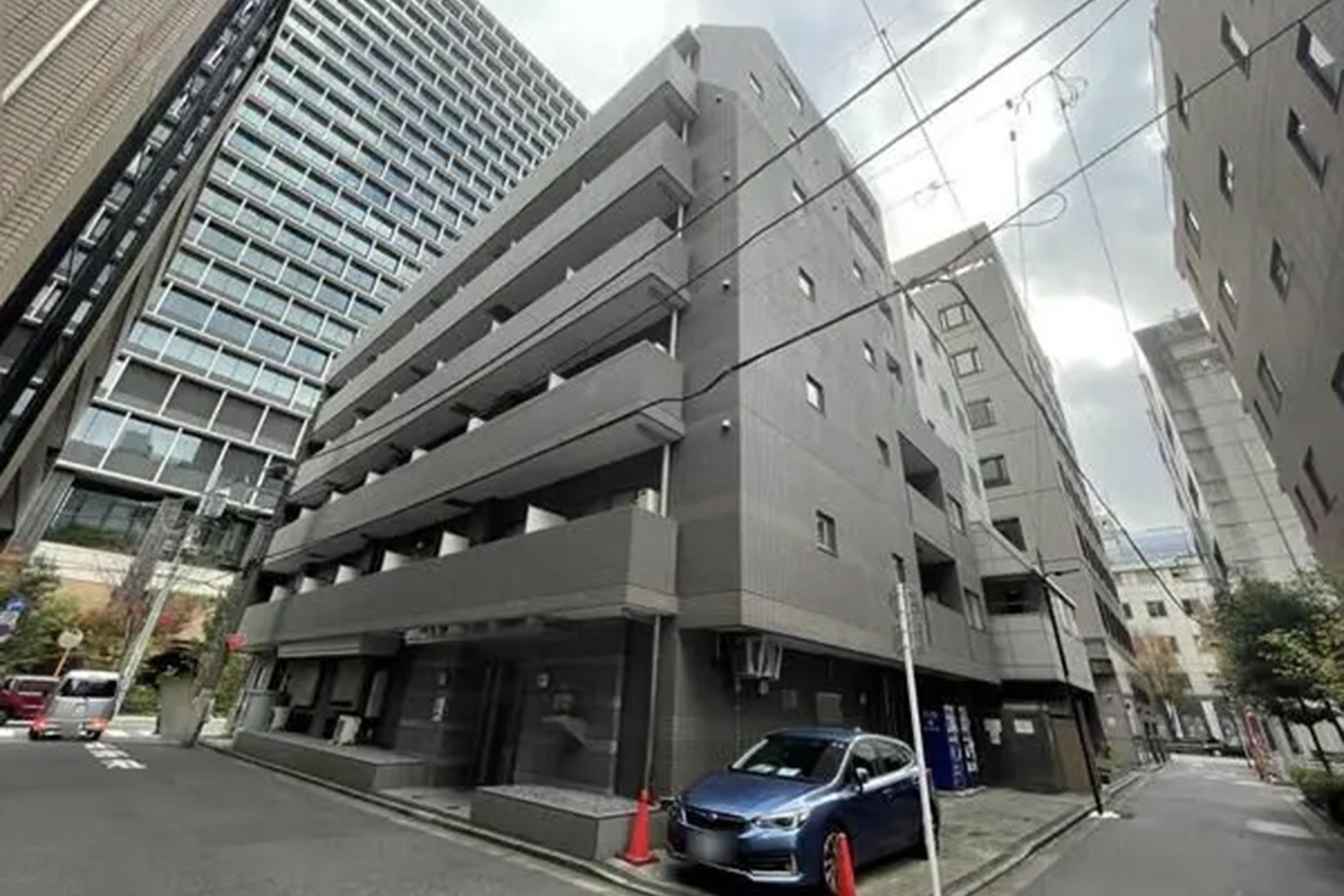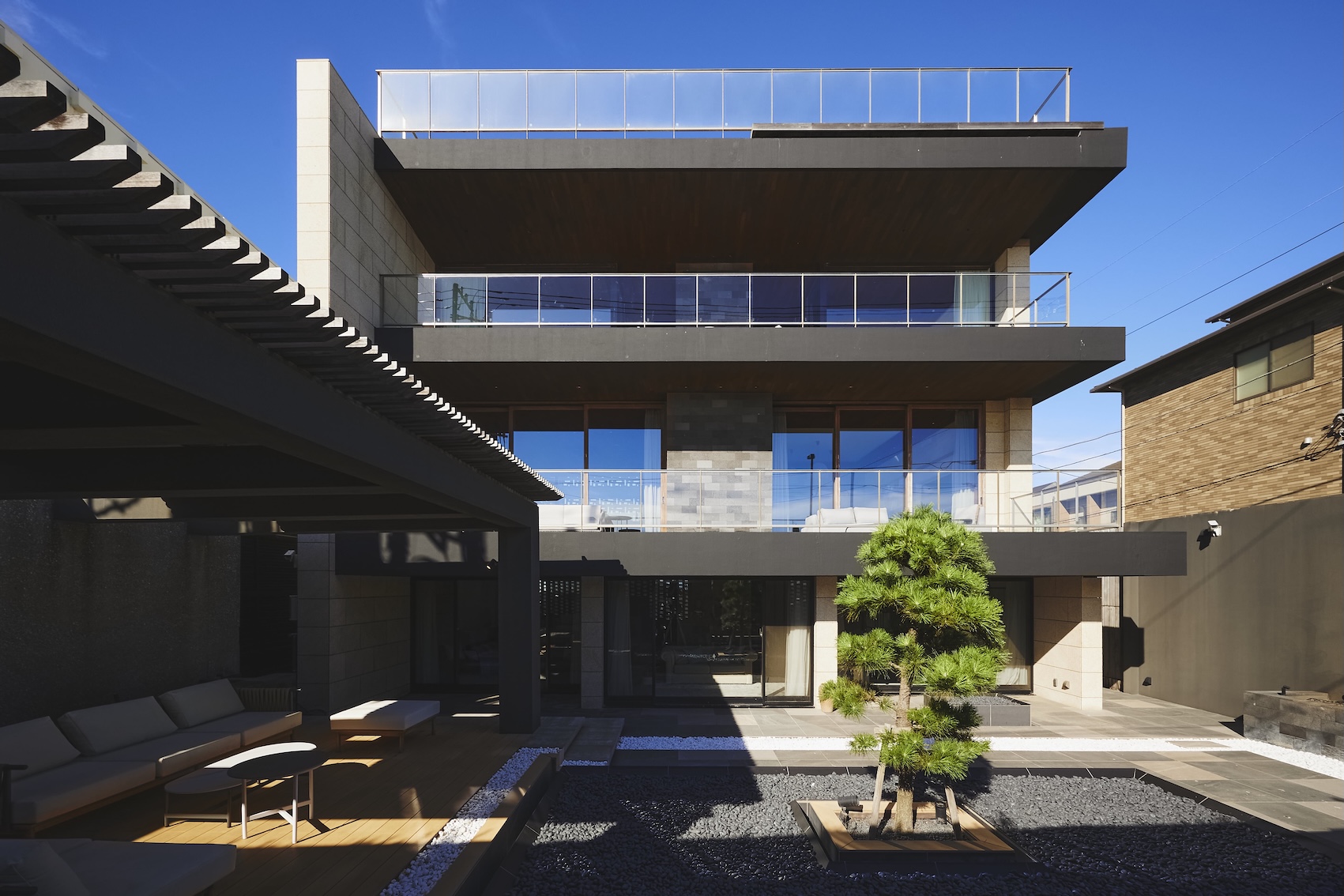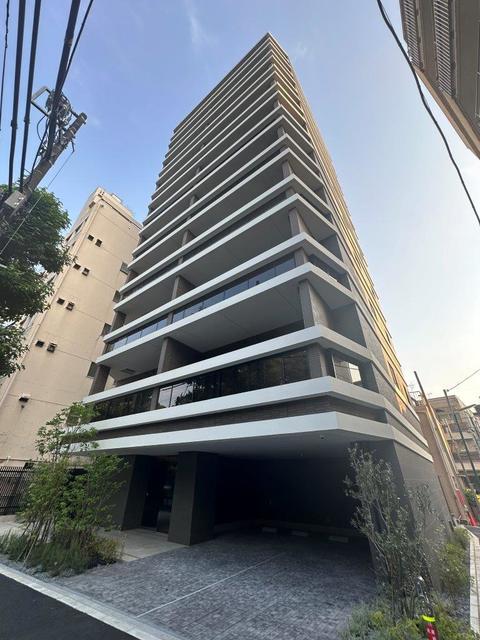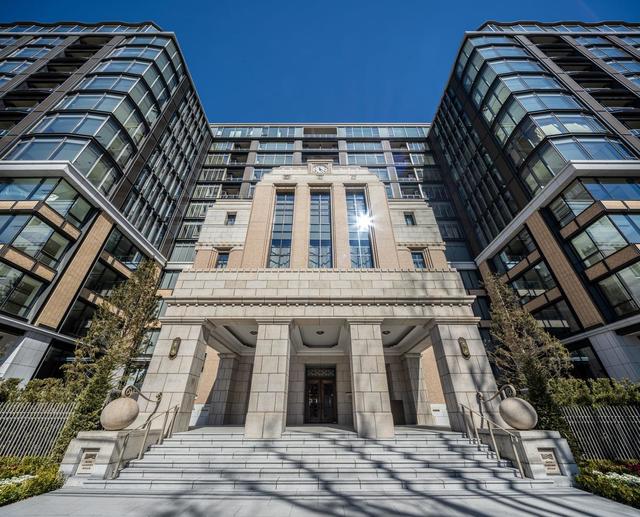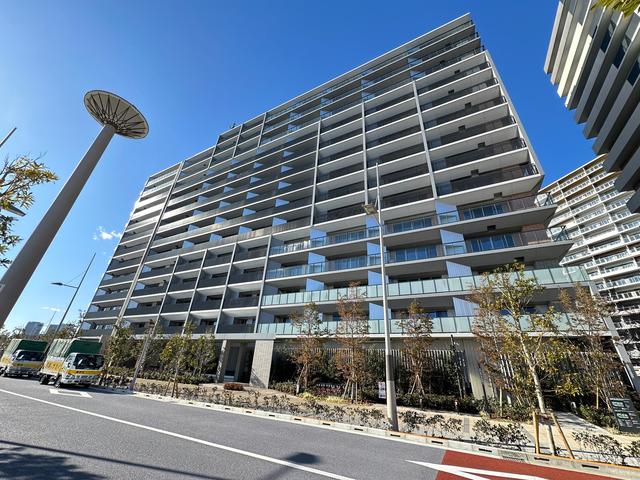

Shimokitazawa is one of the few neighborhoods in Tokyo where the streets still feel like they belong to the people who live there. You’ll find narrow lanes that wind between low-rise buildings, independent coffee shops that sit next to vintage clothing stores that have been open for decades, and small theaters and live music venues operate within a few blocks of each other.
Shimokitazawa was ranked as the second coolest neighborhood in the world in 2019, and the coolest in Tokyo in 2022, and the attention is well-deserved. For people considering it as a place to live, buy property, or rent an apartment, the picture is more interesting and practical than any travel guide can capture.
In this guide, we cover Shimokitazawa from the perspective of someone considering living here, renting or buying property, or relocating as a foreigner. We will walk through transport and commute times, property prices and rental costs, sub-neighborhood differences, daily amenities, family and expat considerations, and the cultural and lifestyle factors that make this area one of Tokyo’s most sought-after places to live.
About Shimokitazawa
Shimokitazawa sits in Setagaya Ward, one of Tokyo’s largest and most residential wards, positioned almost exactly between Shibuya and Shinjuku. The neighborhood’s boundaries are informal.
Locals call it “Shimokita” for short, and the area most people mean when they say the name spans parts of Kitazawa, Daizawa, and Daita. None of these is an official district name with hard borders, which is part of what gives the area its character. The commercial core clusters around Shimokitazawa Station, which serves both the Odakyu Line and the Keio Inokashira Line, and the residential neighborhoods radiate outward in every direction from there.
The station underwent a major renovation completed in 2019 when the Odakyu tracks were moved underground. That project freed up a 1.7-kilometer strip of former railway land, which has since been developed into Shimokita Senrogai, a corridor of small-scale commercial spaces, cafés, coworking venues, and public gathering areas, including Reload, Bonus Track, and Mikan Shimokita.
The redevelopment transformed the area without erasing its character, largely because Setagaya Ward’s district plan caps building heights at 22 meters and requires a 50-centimeter setback from the road. These restrictions have kept the neighborhood’s low-rise, walkable feel intact even as new investment has flowed in.
Transport and Commute Times
Shimokitazawa Station sits at the intersection of two train lines, and that alone makes it one of the better-connected residential neighborhoods in western Tokyo.
The Keio Inokashira Line runs east to Shibuya in about three minutes on the express and four minutes on the local, and the Odakyu Line runs northeast to Shinjuku in about seven minutes on the express. Both lines stop at Shimokitazawa regardless of train type, including express services, which is not something every station along these routes can say.
The two lines operate separate ticket gates and entrances within the station, so residents who commute in both directions regularly learn to navigate both sides quickly.
What most area guides leave out is how Shimokitazawa connects to the business districts where people actually work. The Keio Inokashira Line terminates at Shibuya, where transfers to the Ginza Line, Hanzomon Line, Fukutoshin Line, and JR Yamanote Line open up most of central Tokyo. The Odakyu Line offers a more useful trick for anyone commuting east. At Yoyogi-Uehara, one stop from Shimokitazawa, certain Odakyu services merge directly onto the Tokyo Metro Chiyoda Line.
That through-service reaches Omotesando in about 10 minutes, Akasaka in about 20, and Otemachi in roughly 30 minutes without requiring a platform transfer. For professionals working in the Marunouchi and Otemachi financial district, this is a direct commute that many people overlook when comparing Shimokitazawa to neighborhoods further east.
Here is how commute times from Shimokitazawa break down across Tokyo’s major hubs:
- Shibuya:3 minutes (Keio Inokashira express)
- Shinjuku: 7 minutes (Odakyu express)
- Omotesando: 10 minutes (Odakyu to Chiyoda Line via Yoyogi-Uehara)
- Akasaka: 20 minutes (Odakyu to Chiyoda Line)
- Ikebukuro: 25 minutes (via Shinjuku, JR Yamanote)
- Roppongi: 25 minutes (via Shibuya, Hibiya Line)
- Otemachi/Marunouchi: 30 minutes (Odakyu to Chiyoda Line)
- Shinagawa: 30 minutes (via Shibuya, JR Yamanote)
- Tokyo Station: 35 minutes (via Shinjuku, JR Chuo Line)
- Haneda Airport: approximately 1 hour
- Narita Airport: approximately 1 hour 45 minutes
Beyond trains, Shimokitazawa is a neighborhood that is well-suited for walking and biking. The streets are narrow and largely designed for pedestrian traffic rather than cars, which makes cycling an easy option for reaching neighboring stations like Ikenoue, Shindaita, and Ikejiri-Ohashi.
Buses run from Awashima-dori to Shibuya for residents who prefer to avoid the train on shorter trips. Car ownership is not common in the area and is generally unnecessary given the transit access, though the narrow streets and limited parking make it impractical for most residents anyway.
Shimokitazawa’s Sub-Neighborhoods
Most guides treat Shimokitazawa as a single area, but the character and livability change meaningfully depending on which part of the neighborhood you are in.
The commercial core around the station is a different experience from the residential streets five or ten minutes away, and the price, noise level, and apartment size shift accordingly.
Understanding these differences matters when choosing where to rent or buy, because two apartments at the same price point can feel like entirely different neighborhoods depending on which side of the station they sit on.
Near the Station
The blocks immediately surrounding Shimokitazawa Station are the busiest part of the area. This is where the vintage shops, cafés, curry restaurants, and live music venues cluster, and the streets are crowded from late morning through the evening most days of the week.
The energy is the reason many people want to live here in the first place. Apartments near the station tend to be smaller and older, mostly 1K and 1LDK layouts in mid-rise buildings, and they command a premium on a per-square-meter basis because of the convenience.
This part of the neighborhood suits singles and younger couples who want walkability and nightlife on their doorstep and do not mind trading space for location.
The tradeoff is real, though. The narrow streets get noisy, especially on weekends and during festivals, and there is very little buffer between commercial activity and residential buildings.
Kitazawa
North of the station, the Kitazawa area transitions quickly from commercial to residential. Within a few minutes of walking, the vintage shops give way to quiet streets lined with low-rise apartment buildings and small detached houses.
This part of the neighborhood has long been considered the least commercially developed side of Shimokitazawa, and it still retains much of that character. Kitazawa Hachiman Shrine sits about a ten-minute walk from the station and provides a pocket of green space where, on clear days, you can see Mount Fuji.
Rent is slightly lower than the station-adjacent blocks, and you start to see more 1LDK and 2LDK options. The area works well for residents who want to be close to the action but prefer to come home to a quieter street.
Daizawa
South and southwest of the station, Daizawa has a more established, slightly upscale residential feel compared to the areas directly around the tracks. The streets are wider, the buildings tend to be a bit newer, and the housing stock includes larger apartments and some detached homes.
Daizawa also benefits from proximity to Ikenoue Station on the Keio Inokashira Line, which gives residents a second transit option and slightly reduces the feeling of being tethered to Shimokitazawa Station for everything.
Families and professionals who want more space tend to gravitate here, and the rent per square meter is often slightly lower than the station core because you are trading immediacy of access for a calmer environment and larger layouts.
Daita
West of the station toward Setagaya-Daita Station on the Odakyu Line, the neighborhood takes on its quietest character. Daita is primarily a residential area with detached houses, small apartment buildings, and very little commercial activity beyond the basics.
Residents here have easy access to both Shimokitazawa Station and Setagaya-Daita Station, which gives them Odakyu Line options in both directions. This is the part of the broader Shimokitazawa area that appeals most to families looking for space and quiet while staying within walking distance of everything the neighborhood offers.
It is also where you are most likely to find 2LDK and 3LDK apartments or even standalone houses for rent, which are rare closer to the station.
Shimokitazawa Property Market: Renting and Buying
This is where most Shimokitazawa guides stop being useful. Travel blogs mention that rent is “affordable compared to Shibuya” without providing a single number, and even real estate sites that rank for this topic offer only a basic table with no context.
If you are actually evaluating Shimokitazawa as a place to live or invest, you need more than a vague sense that the area is reasonably priced.
Rental Prices by Apartment Type
Rental prices in Shimokitazawa vary by apartment size, age, distance from the station, and the sub-neighborhood. The figures below represent current market ranges based on active listings in the area.
Older buildings on the lower end of the range will typically be within a five to ten-minute walk from the station in the Kitazawa or Daita areas, while the higher end reflects newer construction or station-adjacent buildings with modern finishes.
- 1K / Studio — ¥80,000 to ¥120,000 per month
- 1LDK — ¥150,000 to ¥250,000 per month
- 2LDK — ¥230,000 to ¥340,000 per month
- 3LDK — ¥300,000 to ¥450,000 per month
For context, these prices sit meaningfully below what you would pay for equivalent layouts in Shibuya, Ebisu, or Nakameguro, while remaining higher than stations further out on the Odakyu Line like Kyodo or Chitose-Funabashi.
Compared to the closest neighboring stations, Shimokitazawa commands a slight premium over Shindaita and Ikenoue, largely because of the dual-line access and the density of shops and restaurants in the immediate area.
Buying Property in Shimokitazawa
Purchase prices for condominiums in Shimokitazawa vary widely depending on building age, size, and floor level. Older mansions built in the 1980s and 1990s can start at ¥30 million to ¥50 million for compact 1LDK layouts, while newer or renovated units in desirable buildings will be significantly higher.
A recent Tokyo Portfolio listing for a designer-renovated 2LDK with a walk-in closet at 85 square meters was listed at ¥99,800,000, which gives a sense of where the market sits for premium stock.
The 2019 station renovation and the subsequent development of Shimokita Senrogai have had a measurable effect on property values in the immediate area. The neighborhood has attracted new commercial tenants, increased foot traffic, and brought a wave of media attention that has reinforced demand from both domestic and international buyers.
Setagaya Ward’s height restrictions and the limited supply of new construction mean that existing stock tends to hold value well, and turnover is relatively low because owners have little incentive to sell in a neighborhood that continues to appreciate.
For investors, Shimokitazawa offers a profile that is uncommon in Tokyo. The combination of strong rental demand from a young professional and creative demographic, limited new supply due to zoning constraints, and ongoing neighborhood improvements creates conditions that support both capital appreciation and stable rental yields.
That said, entry prices are not low, and gross yields in the area are generally tighter than what you would find in less popular neighborhoods further from central Tokyo. Buyers should evaluate Shimokitazawa as a long-term hold rather than a high-yield play.
Renting as a Foreigner in Shimokitazawa
The practical mechanics of renting in Shimokitazawa as a non-Japanese resident are similar to renting anywhere in Tokyo, but a few factors are worth understanding before you start your search.
Key money in the Shimokitazawa area typically ranges from zero to one month’s rent. The trend has been moving toward zero key money in newer buildings and those managed by larger property companies, but some older buildings with individual landlords still charge one month. Deposits usually sit at one to two months’ rent and are partially refundable at the end of the lease depending on the condition of the apartment.
The guarantor requirement is the part of the process that catches most foreigners off guard. Nearly every landlord in Japan requires either a personal guarantor, which is a Japanese resident who agrees to take financial responsibility if you default on rent, or enrollment in a guarantor company.
Most foreigners use a guarantor company, which typically charges a fee of 50 to 100 percent of one month’s rent upfront with a smaller annual renewal fee. Your real estate agent will usually connect you with a guarantor company as part of the application process.
Some landlords and management companies in the Shimokitazawa area still decline applications from foreign tenants. This is less common than it was a decade ago, and the practice has been the subject of increasing public and legal scrutiny in Japan, but it remains a reality. Working with a foreigner-friendly real estate agency is the most effective way to avoid wasted time on applications that will be rejected.
Agencies that specialize in helping international tenants maintain relationships with landlords and management companies that accept foreign residents, which streamlines the process significantly.
Documents you will typically need for a rental application include your residence card (zairyu card), passport, proof of employment or income such as a work contract or recent pay stubs, proof of enrollment in a guarantor company, and in some cases a reference from your employer.
If you are self-employed or working remotely for an overseas company, the process can be more complex, and having several months of bank statements showing consistent income will help.
What It’s Like to Live in Shimokitazawa
Most travel guides do a good job of selling Shimokitazawa as a place to spend an afternoon. What they do not cover is what it feels like to live here on a Tuesday evening when you need groceries, a pharmacy, and a place to let your kids run around.
The day-to-day livability of a neighborhood matters more than its café scene when you are signing a two-year lease, and Shimokitazawa holds up well on the practical side.
Daily Amenities
Grocery shopping is well covered in the area. OZEKI supermarket near the station is the go-to for affordable everyday groceries with good produce and meat sections.
Daiei FOODIUM operates 24 hours and sits in a building that also houses a UNIQLO and DAISO, which makes it convenient for household errands beyond just food.
Peacock supermarket serves the north side of the neighborhood near the North Gate.
For residents who prefer organic or specialty products, Natural House and Bio-Ral both operate in the area, and Kaldi Coffee Farm carries a wide selection of imported goods that are difficult to find at standard Japanese supermarkets.
SHINANOYA Food and Wine Pavilion in Daita, about a twelve-minute walk from the station, offers higher-end products and a wine hall for residents willing to walk a bit further.
Drugstores, including MINE Drug, are within easy reach of the station.
Convenience stores are plentiful, which matters more than it might sound, since konbini in Japan handle everything from ATM withdrawals and bill payments to package pickup and basic meal prep.
Banking access is standard, and the post office is a short walk from the station.
Safety
Setagaya Ward is consistently one of the safer wards in Tokyo, and Shimokitazawa reflects that. Violent crime is extremely rare. The most common issues are bicycle theft and the occasional noise complaint in the commercial areas near the station, neither of which would register as serious concerns for most residents.
The narrow, pedestrian-oriented streets actually contribute to safety in a practical way because they limit vehicle traffic and keep speeds low in the areas where people walk.
Women living alone and families with young children will find the area comfortable at all hours, which is consistent with most residential neighborhoods in Tokyo, but worth stating clearly for people relocating from cities where that is not the case.
Parks and Green Spaces
Shimokitazawa is not a neighborhood known for large parks, but it has enough green space to keep the area from feeling entirely urban. Kitazawagawa Ryokudo is a 4.3-kilometer greenway that follows the path of the former Kitazawa River through Setagaya and into Meguro Ward.
The path is popular with joggers, cyclists, and families with children, and sections of it include shallow water features where kids play during the summer months. It is one of the better urban greenways in western Tokyo and runs close enough to the neighborhood to be part of a daily routine rather than a weekend outing.
Hanegi Park is the largest park in the immediate area and includes tennis courts, a baseball field, and a children’s playground. It is also the site of the annual Setagaya Plum Festival, which runs from February through March and draws visitors from across Tokyo when the plum blossoms are at peak.
Kitazawa Hachiman Shrine, about a ten-minute walk north of the station, provides a smaller but appreciated pocket of green space with mature trees and a quiet atmosphere that feels removed from the commercial bustle of the station area. On clear winter days, the shrine grounds offer a view of Mount Fuji.
For families who need more substantial park space, Hanegi Park and Kitazawagawa Ryokudo cover most needs. Residents who want large-scale green space comparable to Yoyogi Park or Inokashira Park will need to travel a few stops, but both are easily reachable within fifteen to twenty minutes.
Shimokitazawa for Families and Expats
Shimokitazawa does not show up on most “best neighborhoods for expat families” lists, which tend to default to Hiroo, Azabu, and Minato-ku in general. That is partly because those areas have a longer track record of catering to international residents and partly because most of those lists are written by real estate companies with inventory concentrated in central Tokyo.
But Setagaya Ward is one of the most family-oriented wards in the city, and Shimokitazawa specifically offers a combination of safety, walkability, and daily convenience that holds up well against the more established expat neighborhoods, often at significantly lower rent.
Schools
The Shimokitazawa area falls within several public elementary school districts depending on the exact address, and Setagaya Ward operates some of the better-regarded public schools in Tokyo.
For families who need international schooling, Saint Mary’s International School is located within Setagaya Ward, and several other international schools are reachable within a reasonable commute.
The American School in Japan in Chofu is accessible via the Keio Inokashira Line, and schools in the Moto-Azabu and Hiroo area are reachable through Shibuya in under thirty minutes total. The neighborhood is not within immediate walking distance of any major international school, which is a genuine consideration for families with young children, but the train access makes several options viable without requiring an excessively long commute.
Daycare availability in Setagaya Ward has improved over the past several years, though waitlists remain a reality in popular areas. Shimokita Senrogai includes daycare facilities as part of its mixed-use development, which added capacity to the immediate area.
Parents looking for hoikuen placement should begin the application process well in advance, as is standard across Tokyo.
Healthcare
Medical access in the Shimokitazawa area is adequate for routine needs. Several small clinics operate within walking distance of the station, covering general practice, dental, and pediatric care.
For residents who need English-speaking medical services, the options in the immediate area are limited compared to what you would find in Hiroo or Roppongi, but the proximity to Shibuya and Shinjuku means that larger hospitals and international clinics are reachable within twenty to thirty minutes.
Setagaya Ward operates a health center that provides vaccinations, health screenings, and maternal care services for ward residents.
For emergencies, the closest large hospitals are accessible by taxi or ambulance within minutes. Residents who are establishing themselves in the area should identify a local clinic for routine care and a larger hospital with English-speaking staff for anything more serious.
This is standard practice for expats living in any Tokyo neighborhood outside the central international corridors.
The Expat Community
Shimokitazawa does not have the concentrated expat community you would find in Azabu or Hiroo, where international residents make up a visible portion of the neighborhood population.
The foreign residents who live here tend to be longer-term residents who chose the area for its lifestyle and character rather than its proximity to embassies or international schools. The neighborhood has a younger, more creative international population compared to the corporate expat hubs, and the mix includes English teachers, freelancers, artists, and professionals working in the Shibuya tech corridor.
English is not widely spoken in the local shops and restaurants, though you will encounter it more often than in most Tokyo residential neighborhoods simply because of the tourism traffic the area attracts. Most daily errands can be handled with basic Japanese or translation apps, and the area is welcoming to foreigners even when language is a barrier.
The general atmosphere is relaxed and open in a way that reflects the neighborhood’s broader creative identity.
Shimokitazawa Culture and Lifestyle
Every guide to Shimokitazawa covers the vintage shops, the coffee, and the curry. That is because these things genuinely define the area and are not just talking points for travel bloggers. But there is a difference between visiting these places on a Saturday afternoon and having them as part of your daily life for years.
For residents, the cultural density of Shimokitazawa is not an attraction to check off a list. It is the reason the neighborhood stays interesting long after the novelty of living in Tokyo wears off.
Vintage and Thrift Shopping
Shimokitazawa has the highest concentration of vintage clothing stores in Tokyo, with over 200 shops operating there as of last year. The scene ranges from curated high-end resale at stores like Flamingo and New York Joe Exchange to multi-vendor operations like Toyo Department Store, which houses roughly 20 independent sellers across multiple floors.
New York Joe occupies a converted bathhouse and has become one of the most photographed shops in the neighborhood, but the real depth of the vintage scene is in the smaller stores on the side streets that most visitors never find. Chicago, Antique Life Jin, Big Time, Ocean Boulevard, and dozens of others each carry distinct inventory that reflects the taste of individual owners rather than a standardized retail formula.
For residents, the vintage shops function more like a rotating wardrobe than a shopping destination. Regulars develop relationships with specific store owners, learn when new stock arrives, and treat browsing as something closer to a neighborhood walk than a planned outing.
Japan’s secondhand market reached ¥1.15 trillion in 2023, growing at nearly 14 percent year over year, and Shimokitazawa sits at the center of that trend.
Cafés and Coffee
The coffee culture in Shimokitazawa runs deeper than most Tokyo neighborhoods.
Bear Pond Espresso has operated here since the mid-2000s, and owner Katsu Tanaka still limits production of his signature “Angel Stain” espresso to about 20 per day.
Sarutahiko Coffee, Brooklyn Roasting Company, and Light Up Coffee all maintain locations in the area, and smaller independent shops like Bookends Coffee, Kissa Ray, and Look Up Coffee round out a scene that gives residents a different option for every mood and work requirement.
The Mosque Coffee serves Turkish-style coffee, which is not something you will find in most Tokyo neighborhoods.
For people who work remotely or freelance, the café density is a genuine lifestyle advantage. There is always somewhere to sit, the quality is consistently high, and the culture of lingering over coffee without being rushed is more accepted here than in the faster-paced commercial districts.
The Curry Scene
Shimokitazawa takes curry seriously in a way that no other Tokyo neighborhood matches. Nasu Oyaji, which opened in 1990, is the oldest curry restaurant in the area and helped establish the neighborhood’s reputation.
The annual Shimokitazawa Curry Festival runs for three weeks starting in the second week of October and has grown from a small local event into a neighborhood-wide production with over 113 participating restaurants in 2024. The festival was founded in 2011 by Iwai Yuki’s NPO and curry writer Matsuda Katsuya, and by its third year, it had drawn over 100,000 visitors across the ten-day run.
Beyond the festival, the everyday curry options include Magic Spice for Sapporo-style soup curry, SAMA for another take on the Hokkaido tradition, Rojiura Curry Samurai for creative toppings on rich stock-based curry, and Nijiiro Curry Shokudo for a lighter daily lunch option.
The variety means residents can eat curry multiple times a week without repeating a restaurant, which sounds like a minor point until you have actually lived somewhere with a single reliable curry shop.
Live Music, Theater, and Nightlife
Shimokitazawa has been a center for live music and small theater since the 1970s. Yu Hirano opened Club Loft in 1975, Oki Yumitaka opened the jazz bar Lady Jane the same year, and Honda Kazuo opened Suzunari Theater in 1981, followed by Honda Theater in 1982.
Today, the Honda Group operates eight small theaters near the station with roughly 100 seats each, and the neighborhood hosts a live music scene that has produced bands including Bump of Chicken, Asian Kung-Fu Generation, and Thee Michelle Gun Elephant.
For residents, the nightlife is low-key and accessible. You are not dealing with the scale or the prices of Roppongi or Shibuya. A typical evening out might involve a ¥3,000 ticket to a live show at Club 251 or Shelter, a drink at Bar Mother or Fairground, and a walk home through streets that stay interesting without feeling overwhelming.
The neighborhood goes quiet at a reasonable hour compared to the major entertainment districts, which suits residents who want nightlife available without it defining the atmosphere of where they live.
Is Shimokitazawa Right for You?
Shimokitazawa works best for people who want a neighborhood with genuine character and a strong sense of identity without paying the prices that come with living in Shibuya, Ebisu, or the Minato-ku international corridor.
The combination of dual-line train access, walkable streets, and a density of restaurants, cafés, and independent shops that rivals neighborhoods twice its size makes it one of the strongest residential options in western Tokyo.
The area is particularly well-suited to young professionals and couples working in Shibuya or Shinjuku who want a short commute and a neighborhood that gives them reasons to stay local on evenings and weekends. Creative professionals and remote workers benefit from the café culture, the relaxed pace, and the kind of street-level energy that makes working from a neighborhood coffee shop feel more productive than sitting in a coworking space in a business district.
The Chiyoda Line connection at Yoyogi-Uehara also makes Shimokitazawa viable for professionals commuting to Otemachi and the Marunouchi financial district, which is not widely known and gives the area an edge over other western Tokyo neighborhoods that lack that direct link.
For families, the decision depends on your priorities. The Daizawa and Daita sub-areas offer the space and quiet that families need, Setagaya Ward provides strong public school options, and the neighborhood’s safety and walkability are real advantages for daily life with children.
The tradeoff is that international schools require a commute, and the commercial core around the station is more oriented toward singles and couples than family life. Families who are comfortable with that balance will find Shimokitazawa a more affordable and more interesting alternative to the traditional expat neighborhoods.
For property investors, the supply constraints imposed by Setagaya Ward’s zoning regulations, the neighborhood’s limited footprint, and the ongoing demand from a young, international demographic create a favorable long-term profile. Entry prices are not low, but the fundamentals support steady appreciation in an area where large-scale new supply is unlikely to materialize.
Shimokitazawa is less ideal if you need a large home close to the station, if you work in eastern Tokyo and want to minimize your commute, or if you prefer the polished, international-facing infrastructure that neighborhoods like Hiroo and Azabu provide. It is a neighborhood with a distinct personality, and the people who love it tend to stay for years precisely because that personality is difficult to replicate elsewhere in the city.
If you are considering Shimokitazawa for your next home or as a property investment, contact our team to discuss your requirements. We work with international buyers and renters across Tokyo and can help you navigate the process from search to contract signing.