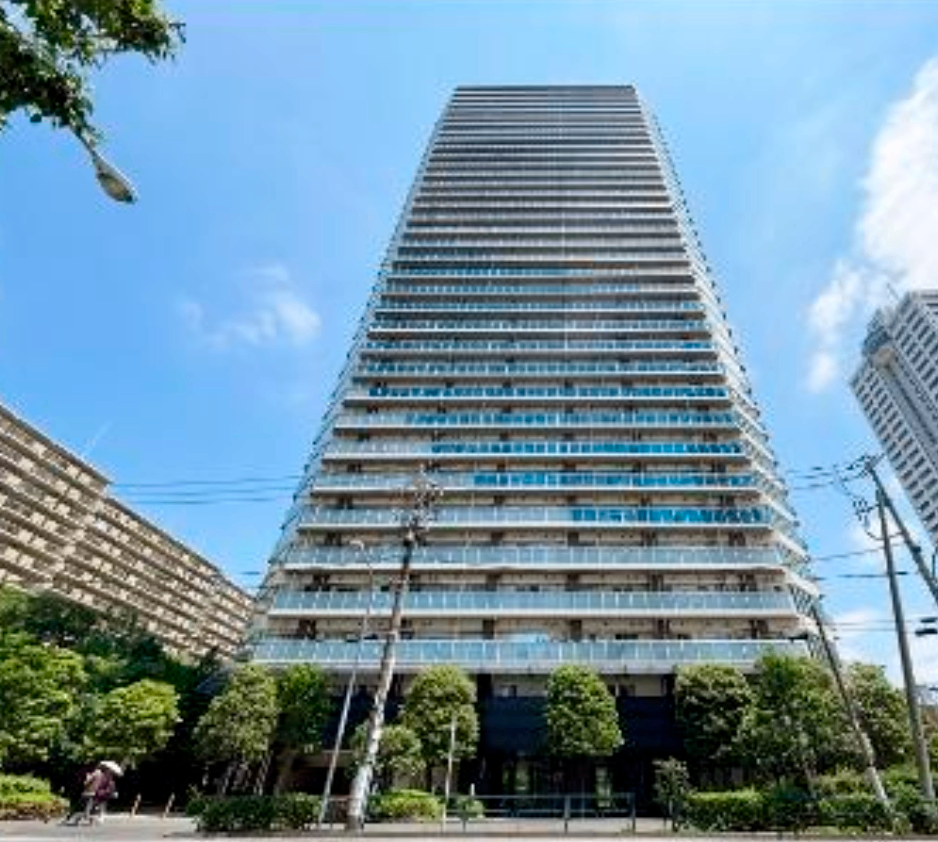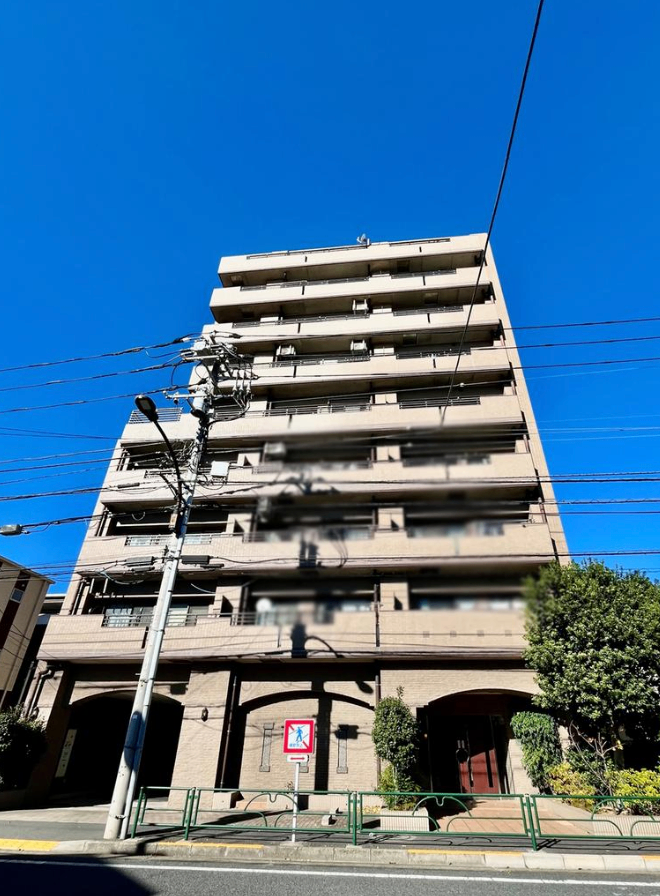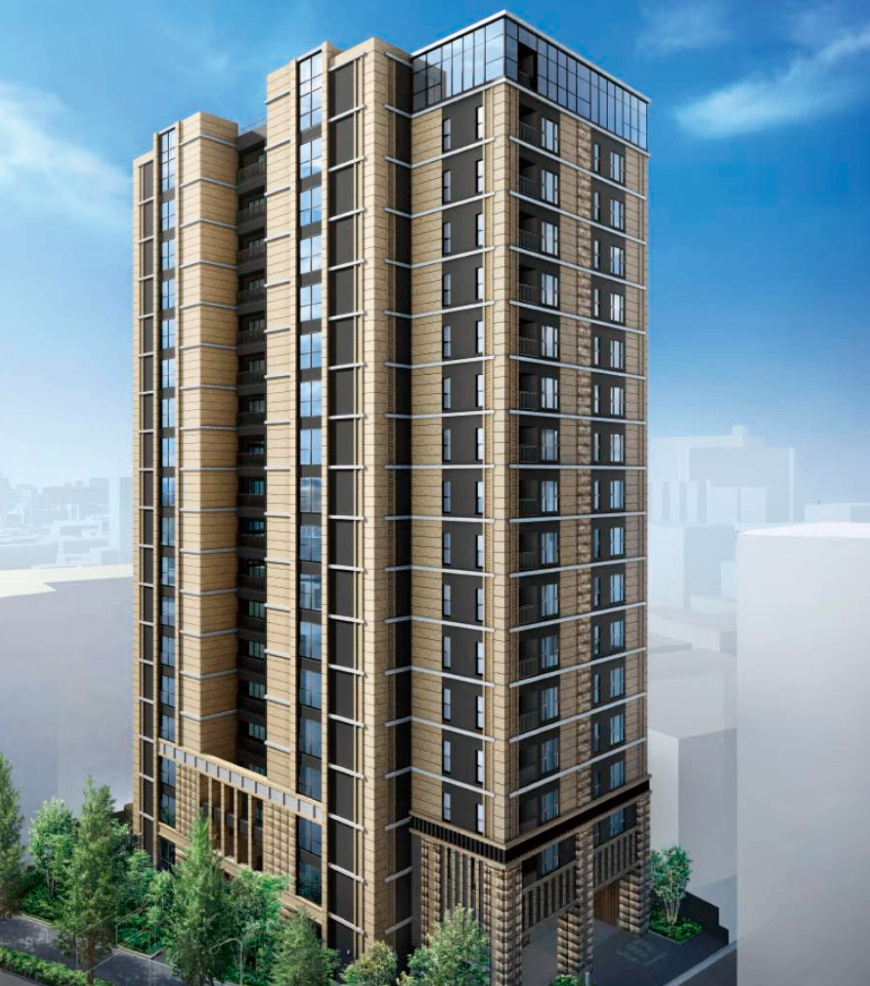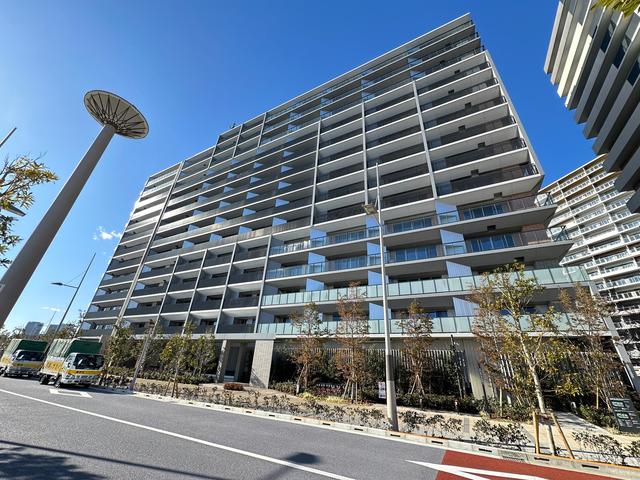

On June 18, 2025, Tokyo’s Chiyoda Ward made waves across Japan’s property sector by officially requesting the Real Estate Companies Association of Japan (RECAJ) to voluntarily prohibit the resale of newly purchased condominiums within the first five years of ownership. The move, aimed at curbing speculative investment and cooling Tokyo’s surging real estate prices, is believed to be the first of its kind by any Tokyo municipality.
This announcement has sent ripples through Japan’s real estate community – especially as it came from Chiyoda, the symbolic heart of Tokyo and home to the Imperial Palace, the Diet building, and many government institutions.

Why Chiyoda Ward Is Taking Action
While Chiyoda Ward is not a heavily residential area, it plays a symbolic and economic role in Tokyo’s urban landscape. The ward cited growing concerns over affordability, housing supply, and speculative buying – particularly in the luxury condo segment – as reasons for this bold policy request.
According to data from the Real Estate Economic Institute, the average price of a new condominium in Tokyo’s 23 wards hit ¥130.64 million in the first half of 2025, marking a 20% year-on-year increase. In the greater Tokyo metropolitan area, prices averaged ¥89.58 million – up 17%. This marks the third consecutive year that average prices in central Tokyo have exceeded the ¥100 million mark.

Behind this escalation is a combination of:
- Land scarcity, especially in core wards like Chiyoda and Minato
- Construction bottlenecks caused by labor shortages and inflated material costs
- A weak yen, which has drawn increased international investor interest
- A global flight to safety, particularly from Chinese investors seeking to exit their domestic real estate market
Foreign Buyers & the Role of Speculation
Speculative purchases – often for the sake of flipping or parking capital – have surged. In 2023, Chinese buyers made up around 40% of residential purchases in Tokyo, according to several real estate tracking firms. Many of these purchases were concentrated in luxury developments, especially those by top-tier developers like Mitsubishi Estate, Mitsui Fudosan, and Mori Trust—all members of RECAJ.
Factors driving this trend include:
- The continued collapse of China’s domestic housing market
- Tightening capital controls within China, prompting outbound investment
- Tokyo’s status as a stable, appreciating market with full freehold rights for foreigners—something uncommon across Asia

How Would a 5-Year Resale Ban Work?
While the Chiyoda Ward request is not yet legally binding, it asks RECAJ members to implement a voluntary policy banning resales of newly built condos within five years. Chiyoda is also urging the national government to consider increasing capital gains tax rates for short-term sales, which are already steep.
Currently, the short-term capital gains tax in Japan is 39.63% (for properties held 5 years or less). Long-term holdings benefit from a significantly reduced rate of 20.315%. This disparity is one of the only existing mechanisms discouraging flipping – but enforcement remains difficult without time-restricted resale covenants. Read more in one of previous articles here.
The Chiyoda Ward resale restriction proposal, if adopted broadly, could reshape Tokyo’s real estate landscape in meaningful ways. In the short term, the most immediate impact would likely be felt in the high-demand, high-price central condominium market – particularly in areas like Chiyoda, Minato, and Shibuya, where foreign investors and domestic speculators have been especially active. A five-year resale restriction could reduce the appeal of condos as short-term investment vehicles, dampening speculative demand and cooling bidding wars that have priced out many end-user buyers.
However, the full effect of such a policy will largely depend on how widely it is adopted by developers and whether other wards or the national government follow suit. If major real estate firms like Mitsui Fudosan, Mitsubishi Estate, and Nomura Real Estate agree to voluntary restrictions, and if more municipalities implement similar measures, the Tokyo property market could begin to shift away from quick-flip investing and toward a model focused on long-term holding and occupancy. This may gradually bring greater stability to prices and potentially improve housing availability for residents, though the limited supply of land and persistent construction constraints would continue to support high valuations.

On the other hand, the move could create unintended consequences. If resale is restricted, some investors might pivot toward pre-owned properties or commercial real estate, which aren’t affected by the proposed limitations. Others may choose to hold onto new condos and rent them out, adding to Tokyo’s already competitive rental market. There’s also a chance that scarcity could drive prices even higher for properties not subject to resale restrictions, especially in newly launched projects perceived as scarce or “investment-safe.”
In the long run, the resale ban may lead to the emergence of a two-tier market: properties under resale restriction, which may offer price stability but limited liquidity, and unrestricted properties, which may attract investors seeking flexibility. Investors might also become more selective, favoring developments with higher rental yields or long-term growth potential rather than quick resale opportunities.
While speculative buying could decline, it’s unlikely that property values in Tokyo’s core wards will drop significantly unless accompanied by broader reforms or changes in monetary policy. Demand from foreign buyers – drawn by Japan’s full freehold ownership rights and relative political stability – remains strong, and the fundamentals of tight housing supply and favorable borrowing conditions still support a bullish outlook over the long term.
In short, if implemented widely, the proposed resale restrictions could help cool overheating in Tokyo’s condo market, shift investor behavior toward longer-term horizons, and improve access for genuine residents. But whether this creates more affordable opportunities or simply reshuffles demand remains to be seen.
Industry Reaction: A New Precedent?
The Real Estate Companies Association of Japan includes some of the largest and most influential players in the industry, such as:
- Mitsui Fudosan
- Mitsubishi Estate Co.
- Panasonic Homes
- Tokyu Livable
- Sumitomo Fudosan Step
- Nomura Real Estate Development
- And others
If these companies agree to enforce a resale moratorium, it would effectively reshape the rules of Tokyo’s real estate market without requiring legislation.
Could Other Wards Follow?
Given the extraordinary rise in property prices across central Tokyo, it’s highly likely that other wards may introduce similar measures, especially if Chiyoda’s approach garners public and political support. High-demand areas like Minato, Meguro, and Shibuya may be next to take action.
Final Thoughts: A New Era for Tokyo Real Estate?
Chiyoda’s call for a 5-year resale restriction could mark a turning point in Tokyo’s real estate strategy. Whether this will lead to a more equitable and sustainable housing market (or simply create new distortions) remains to be seen.
For investors, it may prompt a reconsideration of holding periods and exit strategies. For buyers, especially end-users, it may be a welcome move that eases competitive pressure and encourages longer-term stability.
Either way, the Tokyo market of 2030 may look very different from the Tokyo market of 2020.