
Japan’s housing market combines long-standing traditions with modern engineering and design. From wooden machiya townhouses in Kyoto to high-rise mansions in Tokyo, each type of Japanese house reflects how the country has adapted its architecture to limited space, frequent earthquakes, and changing lifestyles.
The range of homes is wide: compact apato apartments, detached ikkodate houses, post-war danchi complexes, co-living share houses, and preserved minka farmhouses that showcase historical craftsmanship. Every type serves different needs and price points, shaped by culture, city planning, and available land.
Whether you’re moving to Japan or researching its residential architecture, understanding these distinctions is essential. This guide covers both modern and traditional housing types, explains floor-plan notation such as 1R, 1LDK, and 2DK, and highlights defining architectural features like tatami rooms, genkan entryways, and shoji screens.
Modern Japanese Houses and Apartments
Modern housing in Japan is designed for efficiency, safety, and comfort in densely populated cities. Most residents in urban areas like Tokyo and Osaka live in apartments, while detached houses are more common in suburban or residential wards.
The main types of modern Japanese homes include mansion, apato, ikkodate, danchi, and share houses.
Single Family Homes

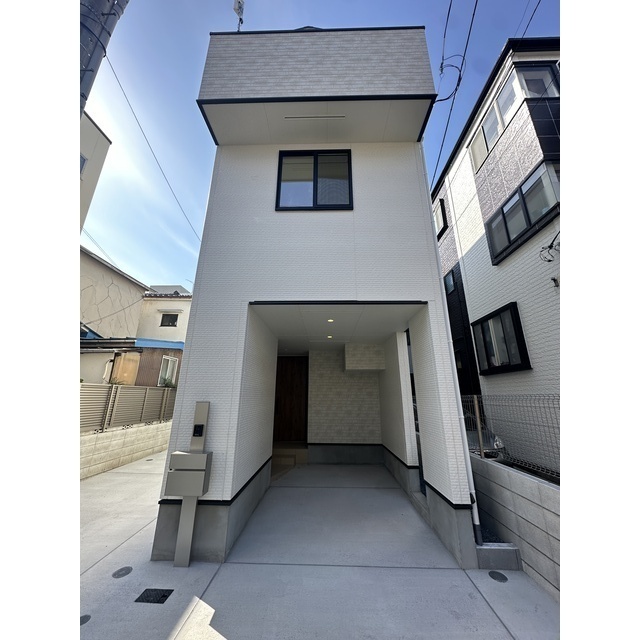
Single-family homes, known as ikkodate, are detached houses built for one household. They come in a wide range of styles, from compact two-story homes on narrow city plots to larger wooden residences in the suburbs. These houses usually stand in quieter neighborhoods and appeal to families who prefer privacy and extra space.
Many ikkodate properties include small gardens or parking areas, features that are rare in apartment buildings. Commuting times can be longer, but the additional space and independence make them desirable for long-term residents.
About 29 percent of homes in Tokyo are single-family dwellings, while the rest are multi-unit buildings. Prices vary by location and age of the property.
Homes in suburban areas generally cost between 30 and 50 million yen, while similar properties in central Tokyo can exceed 100 million yen. Monthly ownership or rental costs also include property tax, maintenance, and utilities, which tend to be higher than apartment living because of the larger area.
Condominiums (Mansion マンション)

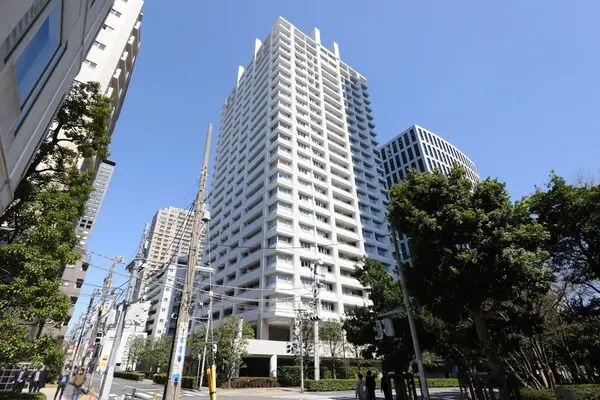
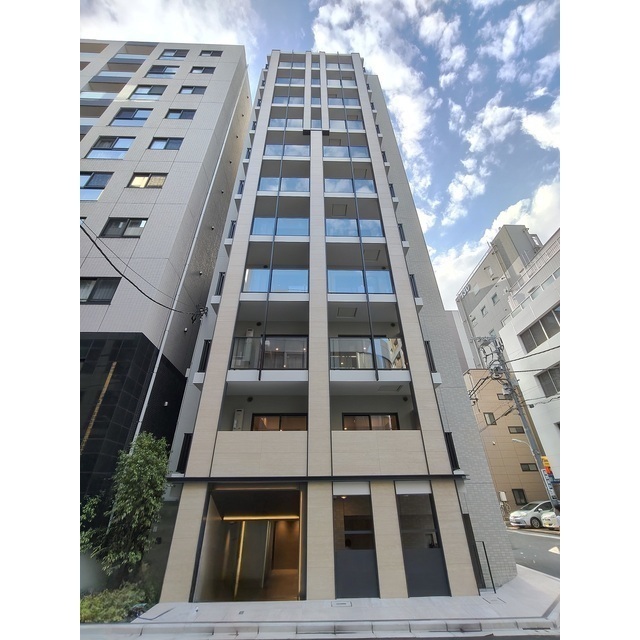
In Japan, the word mansion refers to condominiums made of reinforced concrete. These buildings range from low-rise blocks to high-rise towers with dozens of floors. Mansions often include security systems, elevators, and shared facilities such as gyms or parcel delivery lockers.
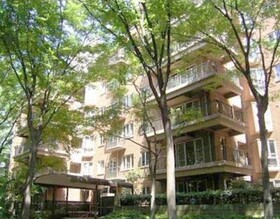
Low-rise mansions offer more space and are often found in residential neighborhoods near parks. High-rise mansions dominate city centers and attract professionals who value convenience and building amenities.
A 2LDK mansion in central Tokyo typically sells for 15 to 30 million yen or rents for 150,000 to 300,000 yen per month. In suburban areas, similar units sell for 8 to 15 million yen or rent for 80,000 to 150,000 yen.
Most residents also pay a monthly management fee, called kanrihi, of about 10,000 to 30,000 yen, which covers cleaning, security, and building upkeep.
Apartments (Apāto アパート)

An apato is a smaller apartment building usually made of wood or light steel. These buildings typically have two or three floors without elevators, which makes them cheaper to build and maintain than mansions.
Units are compact, often measuring 15 to 30 square meters with layouts such as 1R (studio) or 1K (one room plus kitchen). Rent for a 1K apato in Tokyo usually ranges from 50,000 to 90,000 yen per month.
Apato buildings are popular among students, singles, and young professionals who prioritize affordability. Interiors are simple, but most units include air conditioning, small balconies, and modular bathrooms.
The thinner walls and lighter construction result in less sound insulation than mansions, but lower upfront costs and deposits make apato an accessible option for many renters.
Public Housing Complexes (Danchi 団地)
Danchi are large public housing complexes developed between the 1950s and 1970s to solve post-war housing shortages. They consist of multiple concrete apartment blocks grouped together around shared spaces.
A typical danchi unit measures 40 to 60 square meters with 2DK or 3DK layouts. Although many complexes are now several decades old, they continue to serve as affordable housing.
Monthly rents are often 30 to 50 percent lower than comparable private apartments. For example, a 2DK danchi unit might rent for 50,000 to 80,000 yen in areas where private apartments cost 100,000 to 150,000 yen.
Some danchi neighborhoods have been renovated in recent years to improve insulation, accessibility, and common facilities. These complexes often include green areas, playgrounds, and parking, creating small residential communities.
Share Houses (シェアハウス)
Share houses have become increasingly common in major cities and are popular among students, young professionals, and foreign residents. Each resident has a private room while sharing kitchens, bathrooms, and lounges. Room sizes usually range from 8 to 15 square meters.
Share houses are valued for their affordability and community atmosphere. Monthly costs in Tokyo range from 40,000 to 80,000 yen including utilities, with some larger or centrally located options reaching 100,000 yen.
Deposits are typically lower than traditional rentals, and most properties do not require key money or a guarantor.
Traditional Japanese Houses
Traditional Japanese houses reflect regional materials, craftsmanship, and building methods shaped by local climate and culture. The most common types are minka (also called kominka), machiya, and nagaya.
Although they now make up only a small share of Japan’s housing, they remain culturally important and attract buyers interested in historical architecture and low-impact construction.
Minka and Kominka (民家・古民家)

Minka are traditional houses built for farmers, artisans, and merchants from the Edo period through the early twentieth century. They appear mostly in rural towns and mountain villages, but many still stand on the edges of large cities. Builders used local materials such as wood, clay, and straw, assembled with precise joinery instead of nails. The flexible wooden frames helped the structures resist earthquakes.
Roof designs vary by region. In snowy areas such as Shirakawa-go and Gokayama, the gassho-zukuri style features steep thatched roofs angled around sixty degrees to shed snow. In warmer regions like Kyushu, roofs are lower and often covered with ceramic tiles. Thatch must be replaced every thirty to forty years, and the cost has increased as the number of skilled thatchers has fallen.
Typical interiors include tatami flooring, exposed beams, and sliding partitions (fusuma or shoji) that allow rooms to open or close depending on need. A recessed entry (genkan) separates the earthen floor from the raised wooden living area. Many houses contain an irori, a central hearth used for cooking and heat. Smoke from the hearth travels upward through the structure, drying the thatch and preserving the timber against insects and decay.
Houses more than fifty years old are often called kominka, a term used for older heritage homes that require specialized maintenance. Some have been preserved as museums, community centers, or minshuku inns, while others have been renovated as private residences. High ceilings, thick beams, and natural ventilation attract people who appreciate traditional construction and locally sourced materials.
Owning a kominka requires careful budgeting. Renovation costs often reach 10 to 30 million yen, depending on structure and condition. Heating can be difficult because of limited insulation, and installing modern systems without damaging the framework takes expertise.
Some prefectures provide subsidies or low-interest loans for renovations that keep the original exterior intact. Depopulated regions also offer opportunities through akiya (vacant homes), which sometimes sell for less than 1 million yen.
Buyers usually invest much more to make these houses livable. Websites such as Akiya Bank and Koryoya list available properties, many of them traditional minka ready for restoration.
Machiya (町家)

Machiya are wooden townhouses that developed during the Edo period. They survive in historic districts of Kyoto, Kanazawa, Osaka, Nara, and some older neighborhoods of Tokyo. Machiya were designed for merchants and craftsmen who lived and worked in the same building, combining a front shop or workshop with family quarters behind it.
A typical machiya has a narrow street frontage, often three to six meters wide, and a deep interior extending twenty to thirty meters. This layout, called unagi no nedoko or “eel’s bed,” made efficient use of land and reduced property taxes, which were based on frontage width.
Key features include tiled roofs with decorative ridge tiles, wooden latticework (koshi) on the façade, tatami rooms divided by fusuma doors, and small inner gardens (tsubo-niwa) that bring light and air into the middle of the house. A clay-floored passage (tori-niwa) connects the entrance to the rear courtyard and doubles as a workspace.
Kyoto still has the largest number of machiya, about forty thousand, although the total continues to decline because of high maintenance costs and redevelopment. Prices vary widely. Renovated houses in central Kyoto usually cost 50 to 150 million yen, while unrenovated properties sell for 20 to 40 million yen but may need another 20 to 50 million yen for repairs.
Many machiya remain private homes, but increasing numbers operate as guesthouses, restaurants, or small shops. Adaptive reuse helps fund upkeep and keeps the buildings from demolition. Restoration in historic districts requires coordination with preservation offices.
Builders must reinforce the structure for earthquakes and integrate plumbing, electrical, and heating systems carefully to avoid damage to original materials.
Despite the cost, machiya remain valued for their craftsmanship, efficient use of limited space, and the calm atmosphere created by natural wood and interior gardens.
Nagaya (長屋)
Nagaya, or row houses, developed in cities during the Edo period to provide affordable housing for commoners and laborers. These wooden structures contained multiple small dwellings arranged in a line with shared walls.
Each unit usually had one or two rooms measuring about 9 to 15 square meters, with shared wells, toilets, and cooking areas. Close proximity and shared facilities encouraged strong community ties.
The design included an earthen entry floor, raised wooden living spaces, and tatami rooms similar to those in machiya but on a smaller scale. Many nagaya were lost to fires, earthquakes such as the 1923 Great Kanto Earthquake, and wartime bombing. Postwar redevelopment removed most of the remainder.
A few survive in older parts of Tokyo, Osaka, and Kyoto. Preserved examples serve as cultural properties, while others have been renovated for residential or commercial use. In neighborhoods like Yanaka in Tokyo, restored nagaya often house cafés, artist studios, or small shops. Rents for renovated units generally range from 60,000 to 100,000 yen per month, depending on size and amenities.
The nagaya layout influenced modern Japanese housing. Its narrow lots and shared walls evolved into today’s terraced houses and low-rise apartment buildings that define many of Japan’s urban neighborhoods.
Japanese Apartment Layouts and Floor Plan Terms
Japanese apartments are categorized not only by type but also by layout. Real estate listings use a standardized shorthand system to describe how each unit is arranged.
Understanding these floor plan terms helps clarify the size, function, and livability of different homes.
Layout Notation
Each layout code begins with a number followed by one or more letters that describe shared living areas. The number shows how many main rooms the unit contains, while the letters stand for:
- L: Living room
- D: Dining area
- K: Kitchen
- R: Room (used for studios or single-room units)
For example:
- 1R refers to a studio apartment that combines sleeping, dining, and kitchen space in one room.
- 1K includes one main room with a separate kitchen, usually behind a sliding door or partition.
- 1DK adds a small dining area connected to the kitchen.
- 1LDK has a living room, dining space, and kitchen together in an open plan.
- 2LDK and 3LDK add extra bedrooms, often separated by sliding or hinged doors.
This system is used throughout Japan, from budget apartments to luxury condominiums. It offers a quick sense of both layout and functionality.
Typical Layout Sizes
Apartment sizes vary by building type and location. In urban centers, rooms are compact and designed for efficiency. Suburban or newer developments often have slightly larger spaces with more storage.
| Layout | Description | Typical Size (m²) | Common Residents |
|---|---|---|---|
| 1R | Studio apartment, single room with kitchenette | 15–25 | Students or singles |
| 1K | One room with separate kitchen | 20–30 | Singles |
| 1DK | Dining and kitchen area plus one room | 25–35 | Couples |
| 1LDK | Living, dining, and kitchen area plus one bedroom | 35–55 | Couples or small families |
| 2LDK | Two bedrooms plus living-dining-kitchen | 50–75 | Families |
| 3LDK | Three bedrooms plus living-dining-kitchen | 70–100+ | Larger families |
Listings focus on enclosed living rooms and bedrooms. Bathrooms, storage spaces, and entryways are described separately.
A 1R apartment might fit a compact kitchenette, fold-out bed, and desk within a single space, while a 2LDK offers distinct zones for sleeping, dining, and leisure. Larger layouts allow furniture separation and privacy, but even small units often use sliding doors and lofted beds to maximize space.
Measurement Conversions
Japanese listings use both the metric system and traditional measurements. The most common are tatami mats (jo) and tsubo.
- 1 tatami mat (1 jo) equals about 1.62 square meters.
- 1 tsubo equals 3.3 square meters, roughly two tatami mats.
Tatami mats are still used as a reference because they relate directly to room proportions. For example, a six-jo bedroom is about 9.7 square meters and can comfortably fit a double bed, small desk, and wardrobe.
Traditional homes still display tatami measurements on floor plans, while modern apartments often show both jo and square meters.
Layout Conventions and Design
Japanese apartment layouts emphasize practicality. The entrance, or genkan, serves as a clear divide between the outside and living space. Shoes are removed here and stored in a small cabinet before stepping onto the raised floor.
Bathrooms are typically divided into separate areas for the toilet, sink, and bathing unit. The bath area is fully waterproofed, with a deep soaking tub and a hand shower, allowing residents to rinse before entering the tub.
Living areas often open onto a balcony, which is used primarily for drying laundry. Kitchens are compact, with two-burner stoves and limited counter space, but efficient design makes daily cooking manageable. Storage is built into walls and under floors, and sliding partitions create flexible boundaries between rooms.
Even in small apartments, careful spatial planning allows comfort and function. Light from the balcony or veranda brightens the main living area, and built-in ventilation keeps air circulating through narrow layouts.
Size Variation by Location
Apartments in central Tokyo prioritize proximity to transit and amenities, which often means smaller living areas. A typical 1LDK in central Tokyo averages around 40 square meters, while similar units in Saitama, Chiba, or Yokohama range from 50 to 55 square meters.
Suburban buildings usually include larger kitchens, extra closets, and sometimes a second balcony. Newer high-rise developments in outer Tokyo wards also experiment with open-plan living, larger windows, and better insulation, narrowing the gap between city and suburban comfort.
Common Architectural Features in Japanese Homes
Japanese homes, whether modern or traditional, share a set of architectural elements shaped by climate, cultural customs, and the country’s focus on efficient use of space.
These design features create a sense of order and adaptability that remains distinct even in contemporary buildings.
Genkan (玄関)
The genkan is the entry area that separates the outside from the living space. It is slightly lower than the main floor and serves as the place where shoes are removed before stepping into the home.
A built-in cabinet (getabako) stores footwear, and the raised platform beyond the genkan marks the transition to the clean interior. This feature reinforces a clear boundary between public and private space and is found in nearly every Japanese home, from small apartments to large detached houses.
Tatami (畳)
Tatami are rectangular mats made from woven rush grass and rice straw or compressed wood chips. They form the flooring of traditional rooms and are still used in modern homes, often in one designated room known as a washitsu.
Tatami regulate humidity and provide a soft, natural surface suitable for sitting or sleeping. Standard tatami mats measure about 0.9 by 1.8 meters, and room size is often described by the number of mats it holds, such as a “six-jo room.”
The smell of fresh tatami is considered calming and contributes to the sensory identity of Japanese interiors.
Shoji (障子) and Fusuma (襖)
Shoji are sliding screens made from thin wooden frames and translucent paper that filter light and create a soft, diffused glow. They serve as both windows and room dividers in many older homes.
Fusuma, on the other hand, are opaque sliding doors covered with paper or cloth, used to separate rooms or conceal storage spaces.
These movable partitions allow rooms to change function easily, reflecting the traditional Japanese preference for flexible and multifunctional living spaces.
Engawa (縁側)
The engawa is a narrow wooden corridor that runs along the outside of traditional houses, usually between the interior and garden.
It acts as a transitional space where residents can sit, relax, or enjoy the outdoors while remaining sheltered.
In modern homes, the engawa’s role is sometimes replaced by balconies or enclosed verandas, but the idea of connecting indoor life with nature continues through large sliding glass doors and open layouts.
Storage and Space Efficiency
Because space in Japan is limited, storage is integrated into the architecture rather than added as separate furniture. Oshiire are large closets with sliding doors designed to store futons during the day.
Tansu chests, often built into walls or staircases, make use of otherwise unused space. Even in small apartments, built-in cupboards and modular shelving are common.
These designs keep interiors uncluttered and adaptable to different uses throughout the day.
Bathrooms and Toilets
Bathrooms are often divided into three sections: a wash area with sink and mirror, a separate toilet room, and a bathing area.
The bath itself, called ofuro, is deeper than Western tubs and designed for soaking after washing outside the tub.
The separation of wet and dry zones makes it easy for multiple people to use the facilities sequentially. Modern apartments and mansions often maintain this layout for convenience and hygiene.
Natural Light and Ventilation
Traditional and modern Japanese homes prioritize light and airflow.
Large windows, sliding doors, and internal courtyards help circulate air and bring daylight into compact spaces.
Materials such as paper, wood, and plaster breathe naturally, moderating temperature and humidity.
Even concrete buildings follow similar principles through open balconies and cross-ventilation designs.
Conclusion
Japan’s housing market includes a wide variety of homes that reflect both modern design and long-standing architectural traditions. Detached ikkodate houses and multi-unit mansions define city and suburban living, while minka, machiya, and nagaya preserve older forms of craftsmanship that continue to influence contemporary architecture.
Traditional homes represent a smaller share of Japan’s housing today, but their emphasis on simplicity, flexible space, and connection to nature still shapes how new homes are built. Understanding these housing types provides insight into how Japan combines efficiency, comfort, and cultural identity in residential design.
For guidance on buying or selling property in Tokyo, or to speak with an advisor familiar with Japan’s housing market, contact the Tokyo Portfolio team today!