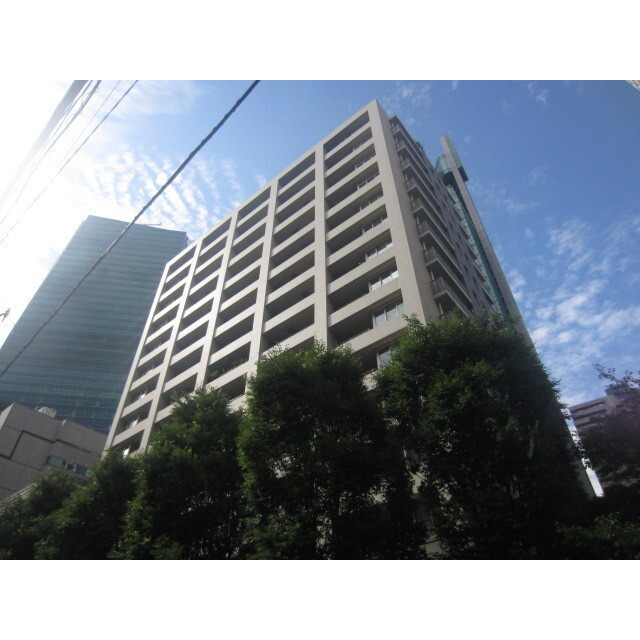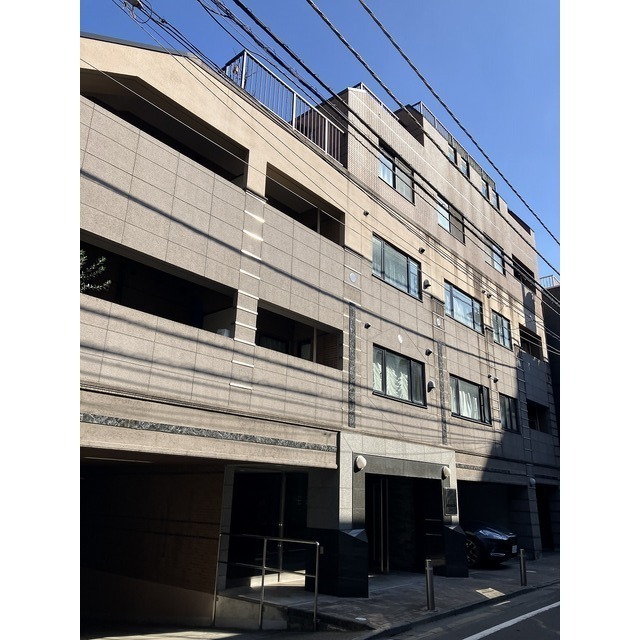

Cover Photo: The Ochanomizu cityscape from Hijiri Bridge
Buying a Tokyo apartment means thinking about how long it will suit your life. A recent request from Chiyoda Ward makes another question worth asking before purchasing a new condominium. Could the sales contract limit when you can sell?
In its October 27 announcement, the ward said it had, for the first time, directly asked participants in an individual condominium development to introduce measures discouraging speculative purchases. These include contractual restrictions preventing resale, in principle, for five years after handover.
For buyers, the distinction matters. This is a request concerning certain developments, without statutory force. It does not establish a five-year resale ban across Chiyoda Ward or Tokyo. The terms of any actual purchase agreement remain essential.
What Chiyoda is asking developers to do
The latest intervention follows a broader request the ward made to the Real Estate Companies Association of Japan in July 2025. That request sought contractual restrictions on resale for the first five years after handover at qualifying projects using urban development schemes, including redevelopment projects. It also asked developers to prevent the same purchaser from buying multiple units in one building.
The October announcement takes that approach to a specific development involving urban development schemes. The ward explicitly withholds the project and developer names. Its announcement confirms what it is requesting, rather than establishing that developers have accepted the conditions or published final sales terms.
According to media reports, the project would replace around 100 homes with around 200, with construction planned to begin in 2030 and completion expected in 2036. Reports also describe relaxed floor area limits under a Tokyo planning framework. These are reported plans, not project details confirmed by the ward’s announcement or fixed commitments. The unit count and timetable may change as the scheme progresses.
The proposed timetable puts the immediate impact in perspective. If the reported schedule holds, the new homes would arrive about a decade from now. For someone searching today, the relevance is the direction of the policy debate and the terms developers may eventually adopt. A ward request, a developer’s response and a condition in a purchase agreement represent different stages, with different implications for buyers.
Why the request is attracting attention
The October announcement describes families struggling to remain in Chiyoda as their housing needs change. The ward says rising new-condominium prices have affected existing homes and rents, and considers speculative transactions a possible contributing factor. It also raises concerns that homes without residential use could create difficulties for condominium management associations.
The ward presents the resale request as one part of its response. Alongside measures targeting speculative demand, it says it is pursuing affordable housing through renovation of vacant homes and conversion of offices into residences. Its approach therefore addresses both demand and supply.
Whether restricting resale would meaningfully improve affordability remains an open question. A contractual restriction does not itself reduce construction costs or guarantee that a home will be offered at a price a local household can afford. The useful question for buyers is how the proposed approach translates into the terms and availability of specific homes.
A resale restriction and a tax rule are different
The five-year period in the ward’s request can easily be confused with Japan’s existing distinction between short-term and long-term capital gains on property.
For individuals, the standard combined rates are generally 39.63% for short-term taxable gains and 20.315% for long-term taxable gains, including income tax, the reconstruction surtax and resident tax where applicable. These rates apply to taxable gains, rather than the entire selling price. Reliefs and the seller’s circumstances can change the outcome. NTA guidance on long-term gains and short-term gains explains the calculations.
The holding period is assessed as of January 1 of the year of sale. Long-term treatment generally requires ownership exceeding five years on that date. Selling immediately after the fifth anniversary of a purchase does not automatically qualify.
A contractual resale restriction would operate separately. Buyers need to check both the contract and the tax position. The ward’s July 2025 announcement also called for stronger measures, including increased taxation of short-term resales. That request should not be read as an enacted tax increase.
Questions to ask before buying
Consider a household that buys intending to stay for ten years but receives an overseas work assignment after two. Before purchasing, it would be useful to understand whether an employment transfer could qualify for an exception, who would approve it and what evidence would be required. Renting out the home might be another option to investigate, subject to financing terms, building rules and any applicable contractual conditions. Neither route should be assumed available.
If you are considering a new condominium in a redevelopment project, ask the agent or developer to explain any resale provisions before you commit.
- Is there a restriction in the actual sales contract, and when does its period begin?
- Does it cover resale after handover, assignment before completion, or both?
- Are there exceptions for relocation, illness, inheritance or other changes in circumstances?
- Is consent required to sell, and who decides whether an exception applies?
- What financial or contractual consequences could follow an early sale?
Request the relevant wording and have unclear provisions reviewed before signing. Compare the costs and conditions of selling with the ongoing costs of retaining the property, without relying on future price increases to make either option affordable.
For existing resale apartments, avoid assuming that a news report about a future redevelopment changes the conditions of every property nearby. Review the documents and terms for the specific home.
Plan for ownership with room for change
Chiyoda’s request makes the ability to sell an important part of the purchase conversation. It does not, by itself, establish that prices will fall or that similar restrictions will spread across Tokyo.
A home still needs to work at its current price, with its ongoing costs and your likely length of stay. Clear resale terms belong alongside the location, layout and building condition when assessing whether a property suits your plans.
If you are considering a Tokyo property, contact Tokyo Portfolio. Our team can help you identify property-specific questions about resale conditions and raise them with the developer or seller, so you can clarify the relevant terms before making a decision.
Sources
- Chiyoda Ward announcement dated October 27th, 2026
- Chiyoda Ward policy background dated July 18th, 2025
- National Tax Agency No. 3208 on long-term capital gains
- National Tax Agency No. 3211 on short-term capital gains