Mita is one of those Tokyo neighborhoods that rarely shows up in English-language guides but consistently ranks among the most desirable addresses in the city for people who actually live here.
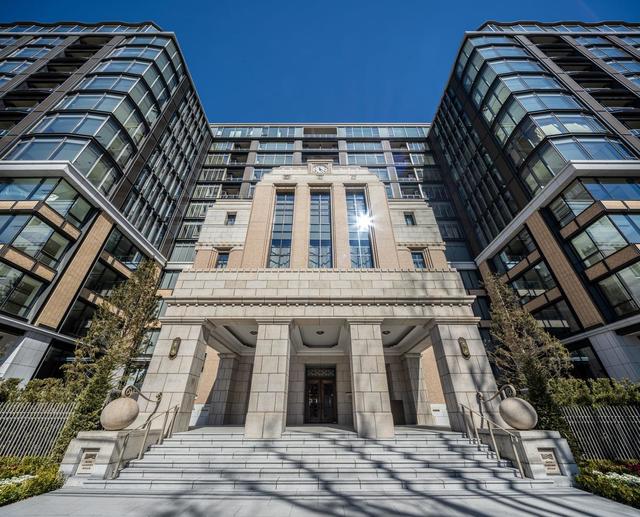
It sits in Minato Ward, wedged between Azabu-Juban to the west, Shirokane to the south, and the Tamachi business corridor to the east, and it has been home to embassies, universities, and wealthy families since the feudal estates of the Edo period gave way to the mansions of Meiji-era nobility. The completion of Mita Garden Hills in 2025, the first development to carry the “Garden Hills” name since Hiroo Garden Hills in 1987, has brought the neighborhood a level of attention it has not received in decades.
This guide covers Mita from the perspective of someone considering the neighborhood as a home. We will walk through transport access and commute times, property prices and rental costs, the differences between Mita’s sub-areas, daily amenities, schools, and healthcare, and how the neighborhood compares to the Minato-ku alternatives that most expats already know.
About Mita
Mita occupies a compact stretch of central Minato Ward, covering five chōme and forming one of the quieter residential pockets in an otherwise busy part of Tokyo. The neighborhood borders Higashi-Azabu to the north, Azabu-Juban and Minami-Azabu to the west, Shirokane and Takanawa to the south, and Shiba to the east.
Minato Ward itself has one of the highest concentrations of foreign residents in Tokyo at roughly 8.2% of the population, and with over 80 embassies within the ward, the infrastructure for international residents is stronger here than in most parts of the city.
One geographic detail that confuses newcomers is that Mita Station is not actually in Mita. The station sits in the neighboring Shiba district, about 200 meters from the border of Mita 4-chōme. The area is better understood through the stations surrounding it rather than the one that shares its name. Tamachi Station on the JR Yamanote Line is a two-minute walk from Mita Station, and residents in different parts of the neighborhood may find Shirokane-Takanawa, Azabu-Juban, or Akabanebashi stations equally convenient depending on where they live.
The name Mita translates roughly to “temple field,” which reflects the neighborhood’s Edo-period history. When the Tokugawa shōgunate consolidated power, it ordered a wave of temple relocations into this area, creating a dense temple district in what is now Mita 4-chōme. The surrounding land was divided among feudal lords whose estates occupied the hilltop positions, and when the feudal system dissolved during the Meiji Restoration, those estates passed to government officials and members of the new nobility.
That pattern of institutional and elite residential use has defined Mita ever since. Keio University established its Mita campus here, the Tsunamachi Mitsui Club was built in 1921 as a reception hall for Japan’s wealthiest industrial family, and embassies from Australia, Italy, Hungary, Kuwait, and Papua New Guinea occupy prominent positions throughout the neighborhood.
Mita is a neighborhood with a character noticeably different from that of its more famous Minato-ku neighbors. It does not have the nightlife of Roppongi, the restaurant density of Azabu-Juban, or the international school cluster of Hiroo. What it has is a sense of established, understated wealth and institutional permanence that appeals to residents who want a prestigious Minato Ward address without the foot traffic and commercial bustle of the better-known alternatives.
Getting Around Mita: Transport and Commute Times
Mita’s transit access is one of its strongest selling points for professionals, and it is underappreciated compared to more famous Minato-ku neighborhoods. The area sits within walking distance of five stations serving six train lines, which gives residents the flexibility that most Tokyo neighborhoods cannot match.
The combination of JR Yamanote Line access at Tamachi and direct Toei subway connections means that almost every major business district in the city is reachable without complicated transfers.
Tamachi Station is the anchor for most residents. It sits on the JR Yamanote Line, Tokyo’s main loop line, and the JR Keihin-Tohoku Line, which means direct service to Tokyo Station, Shinagawa, Shibuya, Shinjuku, and Ikebukuro without any transfers. For professionals working in the Shinagawa corridor, the commute is a single three-minute ride.
For those working in the Marunouchi and Otemachi financial district, the Toei Mita Line runs directly from Mita Station to Otemachi in about 15 minutes. The Toei Asakusa Line, also accessible from Mita Station, connects to Shimbashi, Nihonbashi, and Asakusa, and provides through service to the Keikyu Line for access to Haneda Airport in roughly 25 minutes from Shinagawa.
Residents in the western parts of Mita, closer to the 2-chōme hilltop, can walk to Azabu-Juban Station on the Oedo and Namboku Lines, which opens up direct access to Roppongi in about five minutes and Tameike-Sanno in about ten. Shirokane-Takanawa Station on the Namboku and Mita Lines serves the southern edge of the neighborhood. Akabanebashi Station on the Oedo Line is within walking distance of the northern parts of Mita and provides another route to Roppongi and Shinjuku.
Here is how commute times from Mita break down across Tokyo’s major hubs:
- Shinagawa — 3 minutes (JR Yamanote from Tamachi)
- Shimbashi — 5 minutes (JR Yamanote from Tamachi)
- Hamamatsucho — 3 minutes (JR Yamanote from Tamachi)
- Tokyo Station — 10 minutes (JR Yamanote from Tamachi)
- Roppongi — 10 minutes (Oedo Line from Akabanebashi)
- Otemachi/Marunouchi — 15 minutes (Toei Mita Line direct)
- Shibuya — 15 minutes (JR Yamanote from Tamachi)
- Shinjuku — 20 minutes (JR Yamanote from Tamachi)
- Ikebukuro — 25 minutes (JR Yamanote from Tamachi)
- Haneda Airport — 25 minutes (Keikyu from Shinagawa)
- Narita Airport — approximately 90 minutes
Shinagawa Station deserves special mention for residents who travel frequently. It is one stop from Tamachi and serves as the Shinkansen hub for Osaka, Kyoto, and Nagoya, the Keikyu Line gateway to Haneda, and the future terminus for the Chuo Shinkansen maglev to Nagoya. Takanawa Gateway Station, which opened in 2020 between Tamachi and Shinagawa, adds another JR option to the south and anchors a major mixed-use redevelopment project that is expected to further increase the area’s connectivity and commercial offerings over the coming years.
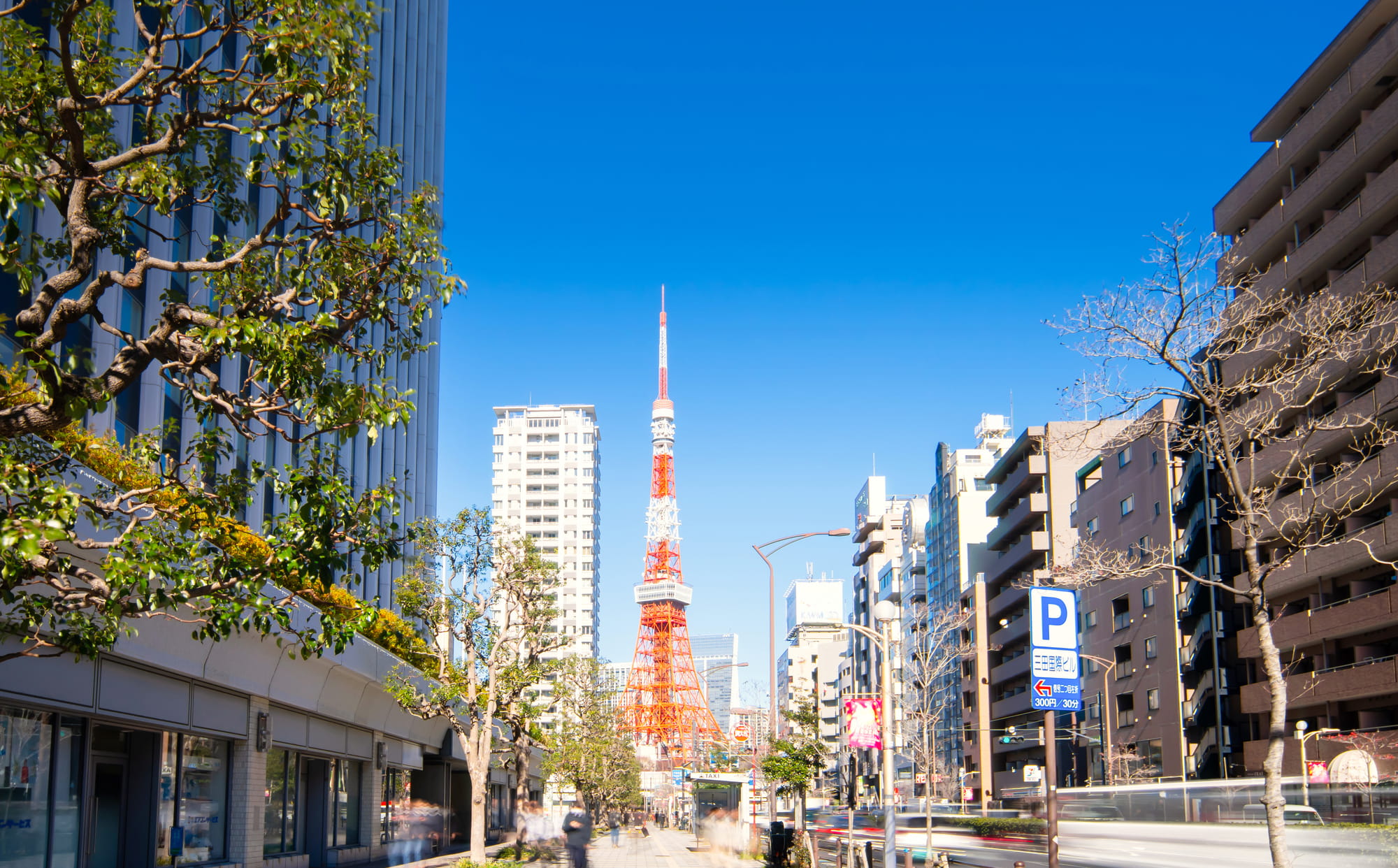
Walking and cycling work well for shorter trips within the Minato Ward area. The distance from Mita to Azabu-Juban is about a fifteen-minute walk, and Tokyo Tower and Shiba Park are reachable on foot in roughly ten minutes from most parts of the neighborhood.
Mita’s Sub-Areas
Mita is a small neighborhood, but the character shifts meaningfully depending on which chōme you are in. The difference between the lowland blocks along the Furukawa River and the hilltop residential core around 2-chōme is significant enough to affect rent, noise levels, and daily experience.
Mita 1-chōme and 5-chōme (The Furukawa River Lowlands)
These two chōme occupy the lower-elevation land along the Furukawa River on the eastern edge of the neighborhood. The area is more commercial and mixed-use than the hilltop blocks, with older mid-rise apartment buildings, office space, and some light industrial use.
Rent tends to be lower here than in 2-chōme or 3-chōme, which makes it the most accessible part of Mita for renters on a tighter budget. The tradeoff is that the streets are busier, the residential atmosphere is less pronounced, and the lower elevation means some flood risk during heavy rainfall events, which is worth checking in hazard maps before signing a lease.
A redevelopment project is planned for the 1-chōme area that will include housing, office space, and a nursery school, which could shift the character of this section of the neighborhood over the next several years.
Mita 2-chōme (The Hilltop Residential Core)
This is the most prestigious part of Mita and the section that gives the neighborhood its reputation. The hilltop position, originally occupied by feudal lords’ estates, now hosts Keio University’s Mita campus, the Tsunamachi Mitsui Club, the Australian and Italian embassies, and Mita Garden Hills.
The streets are quieter up here, the lots are larger, and the residential character is stronger than anywhere else in the neighborhood. Property values in 2-chōme are the highest in Mita, and the housing stock includes both luxury towers and older low-rise mansions on tree-lined streets.
This is the part of Mita that appeals most to buyers and longer-term renters who prioritize quiet, prestige, and proximity to diplomatic and institutional neighbors. The elevation also means better air circulation and views compared to the lowland blocks, which matters more than it might sound during Tokyo’s humid summer months.
Mita 3-chōme (The Commercial Hub)
Mita 3-chōme serves as the commercial center of the neighborhood. Sakurada-dori, one of the major roads running through this part of Minato Ward, passes through 3-chōme and brings more foot traffic and vehicle noise than the hilltop areas.
Restaurants, cafés, convenience stores, and small shops cluster along and just off the main road, which makes this section the most convenient for daily errands. The apartment stock here is a mix of newer mid-rise buildings and older walk-ups, with some units offering good value relative to the Mita average because the commercial surroundings trade some of the quiet residential feel for accessibility.
A large-scale redevelopment project covering parts of 3-chōme and 4-chōme is in the planning stages, with proposals for four buildings, including office, residential, commercial, and a new pedestrian green space. If that project moves forward, it could meaningfully change this part of the neighborhood within the next five to ten years.
Mita 4-chōme (The Temple Town)
The southeastern section of Mita retains the strongest connection to the neighborhood’s Edo-period origins. This is where the temples relocated under the Tokugawa shōgunate still stand, and the streetscape has a quieter, more traditional atmosphere than the commercial blocks of 3-chōme or the institutional grounds of 2-chōme.
Mita Station sits just beyond the eastern edge of 4-chōme in Shiba, making this the most station-accessible part of the neighborhood for Asakusa Line and Mita Line commuters. The housing stock includes smaller apartment buildings and some older detached structures, and the area tends to attract residents who want proximity to transit without the noise of the commercial areas.
The temple presence also means some blocks have a distinctive character with mature trees and stone walls that feel different from the rest of central Minato Ward.
Mita Property Market: Renting and Buying
Mita sits in one of Tokyo’s most expensive wards, but it offers a pricing profile that is distinct from the better-known Minato-ku neighborhoods. Rent and purchase prices are generally lower than in Azabu-Juban, Roppongi, or Hiroo for comparable apartment sizes, partly because Mita lacks the dining and nightlife premium those neighborhoods carry and partly because its reputation among international residents is still developing.
For buyers and renters who prioritize transit access, quiet residential streets, and a prestigious Minato Ward address over restaurant density and social scene, Mita represents strong relative value within the ward.
Rental prices in Mita vary by building age, floor level, proximity to stations, and the chōme the apartment is in. The hilltop blocks of 2-chōme command the highest per-square-meter rents, while the lowland areas of 1-chōme and 5-chōme tend to sit at the lower end of the range.
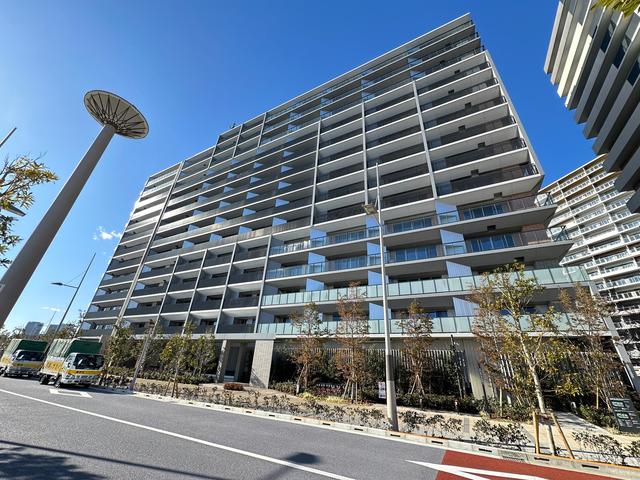
Luxury branded residences like La Tour Mita and Mita Garden Hills rental units are priced significantly above these ranges.
- 1R / 1K — ¥90,000 to ¥160,000 per month
- 1LDK — ¥180,000 to ¥300,000 per month
- 2LDK — ¥280,000 to ¥450,000 per month
- 3LDK — ¥400,000 to ¥700,000+ per month
For context, a 1LDK in Azabu-Juban typically starts around ¥220,000, and a comparable unit in Roppongi starts closer to ¥250,000. Mita’s lower end sits meaningfully below those floors while still delivering the same Minato Ward address, comparable or better transit access, and a quieter residential environment. Shirokane and Takanawa to the south price similarly to Mita, while Tamachi and Shiba to the east tend to run slightly lower.
The purchase market in Mita operates on two tiers that are important to distinguish. The general resale market for older condominiums built in the 1980s through 2000s offers entry points in the ¥40 million to ¥80 million range for compact 1LDK layouts in well-maintained buildings.
Larger 2LDK and 3LDK units in mid-range buildings typically trade between ¥80 million and ¥150 million, depending on age, condition, and position.
The luxury tier is now dominated by Mita Garden Hills. Tokyo Portfolio currently lists 19 active units in the development, ranging from ¥160,000,000 for a 1R at 29.34 square meters to ¥1,758,000,000 for a 3LDK at 158.15 square meters.
The Park Mansion building commands the highest per-tsubo prices at roughly ¥17 million, while the other buildings sit closer to ¥12 million per tsubo. Early resale activity has shown units trading at a significant premium over original purchase prices, consistent with the trajectory Hiroo Garden Hills established over its first decade and has maintained for nearly four decades since.
The broader investment case for Mita rests on several factors working together. The neighborhood has two confirmed future redevelopment projects in the pipeline, one covering Mita 1-chōme and another spanning parts of 3-chōme and 4-chōme, both of which will add residential, commercial, and public space to the area.
The Takanawa Gateway redevelopment to the south is creating a new commercial hub between Tamachi and Shinagawa, increasing foot traffic and commercial activity in the broader corridor. Minato Ward’s zoning and the established institutional presence of Keio University, the embassies, and Mita Garden Hills itself create a stability in neighborhood character that supports long-term property values.
Supply constraints are real here. The hilltop areas of 2-chōme have limited buildable land, and institutional landholders are unlikely to sell, so new stock will come in small increments.
One advantage Mita has over many Tokyo neighborhoods is that the embassy and university presence means landlords and management companies in the area have more experience with foreign tenants. This does not eliminate the possibility of an application being declined on the basis of nationality, which still happens across Tokyo, but it does mean a higher percentage of buildings in the area have existing foreign residents and are accustomed to the documentation and communication patterns that come with international tenants.
What It’s Like to Live in Mita
Mita is not a neighborhood that tries to impress you with its dining scene or its nightlife. It impresses you by being a place where the daily logistics of living in Tokyo work smoothly and quietly. The area has enough amenities to cover everyday needs without the commercial density that makes neighborhoods like Roppongi or Azabu-Juban feel busy at all hours.
For some residents, that is a limitation, and for others, it is precisely the point.
Daily Amenities
Grocery shopping is covered, but not abundant. Maruetsu Petit operates a location in Mita 2-chōme that handles everyday staples, and convenience stores are distributed throughout the neighborhood in the pattern you would expect from central Minato Ward.
For a larger grocery run or imported products, the National Azabu supermarket in nearby Minami-Azabu is a 15-minute walk or short ride away, and the Nissin World Delicatessen in Higashi-Azabu carries a wide range of international goods. Keiyo D2 home center in Mita covers household and hardware needs, making it useful for furnishing or maintaining an apartment.
The restaurant scene in Mita is quieter than in the surrounding neighborhoods but has its own character. The Keio University campus is home to a cluster of affordable lunch spots and izakayas along the streets south of the campus gates, and Sakurada-dori in 3-chōme has a mix of small Japanese restaurants, cafés, and chains.
Residents who want more variety in dining tend to walk to Azabu-Juban or Tamachi, both of which are close enough to function as extensions of daily life rather than special outings. The Tamachi side in particular has seen a wave of new restaurants and bars in recent years, driven partly by the office population and partly by the Takanawa Gateway redevelopment activity.
Pharmacies and drugstores operate within the neighborhood, and banking and postal services are accessible near the main roads. The overall pattern is that Mita has everything you need for a typical weekday without leaving the neighborhood, but residents who want weekend dining options, specialty shopping, or a broader social scene will naturally gravitate to the neighboring areas.
Safety
Minato Ward is one of the safest wards in Tokyo, and Mita sits comfortably within that profile. Mita Police Station is located at 4-2-12 Shibaura, providing a local law enforcement presence. The embassy security infrastructure throughout the area adds another layer of visibility.
Violent crime is extremely rare, and the most common issues are limited to bicycle theft and occasional petty property crime, neither of which would register as a meaningful concern for most residents. The hilltop areas of 2-chōme are particularly quiet after business hours, and the residential streets throughout the neighborhood feel safe for walking at any time of night.
Parks and Green Spaces
Mita is not a neighborhood with large parks within its own boundaries, but it benefits from strong proximity to green space in the surrounding areas. Shiba Park, located at the base of Tokyo Tower, about a ten-minute walk from most parts of Mita, is the largest nearby park and offers open lawns, tree-lined pathways, playgrounds, and views of Tokyo Tower, making it one of the more scenic daily walking routes in central Tokyo.
Mitadai Kōen within the neighborhood provides a smaller local park option. Mita Garden Hills adds 7,700 square meters of landscaped grounds, with 130 plant species and preserved mature trees, accessible to residents of the development and contributing green space to the immediate area.
For residents who want a more immersive nature experience, the Institute for Nature Study in Shirokanedai is a roughly twenty-minute walk to the south. The institute is a preserved forest managed by the National Museum of Nature and Science, and it offers a rare patch of genuine woodland within central Tokyo.
The Furukawa River greenway along the eastern edge of the neighborhood provides a walking and jogging path, though it is more utilitarian than scenic compared to the greenways in neighborhoods like Shimokitazawa or Meguro.
Mita for Families and Expats
Mita does not appear on most “best neighborhoods for expat families” lists, which tend to default to Hiroo, Azabu-Juban, and Minami-Azabu. That is partly a function of name recognition and partly because those neighborhoods have a longer track record of marketing themselves to the international community.
But Mita sits in the same ward, shares many of the same advantages, and in some respects offers a better setup for families who want a quieter residential environment without sacrificing access to international schools and English-speaking services.
Schools
Public school zoning in Mita assigns students to Akabane Elementary School for addresses in 1-chōme and 2-chōme, and Mita Elementary School for addresses in 3-chōme through 5-chōme. Mita Junior High School serves the broader area. These are Minato Ward public schools, and the ward is generally well regarded for its educational standards and its support programs for non-Japanese students.
For families who need international schooling, the options within commuting distance are strong. The British School in Tokyo operates its primary campus at Azabudai Hills, roughly a six-minute walk from Mita Garden Hills, which makes it one of the most accessible international school options for residents in the 2-chōme area. Nishimachi International School in Azabu is within the broader Minato Ward, and the American School in Japan’s Early Learning Center is in Roppongi.
Laurus International School of Science has a campus in the Mita area, and Tokai University Takanawadai School and Friends Girls School offer nearby private options with a Japanese curriculum. Most international schools in the Tokyo area offer bus routes that serve Minato Ward, so families are not limited to schools within immediate walking distance.
Daycare availability in Minato Ward has improved in recent years, and the Mita 1-chōme redevelopment project includes a nursery school component that will add capacity to the immediate area. Mita Garden Hills’ South Hill building includes a dedicated kids’ room and a teen lounge, reflecting the developers’ expectation that families will be a meaningful part of the resident community.
Parents should still expect waitlists for popular hoikuen placements and should begin the application process well in advance, as is standard across Tokyo.
Healthcare
Tokyo Saiseikai Central Hospital at 1-4-17 Mita is the closest major hospital to the neighborhood and provides comprehensive medical services. For routine care, several small clinics operate within walking distance of the main stations, covering general practice, dental, and pediatric needs.
English-speaking medical access within Mita itself is more limited than in Hiroo or Roppongi, but the broader Minato Ward network of international clinics is easily reachable. The ward is home to Jikei University Hospital, which has English-speaking staff, and several international clinics in the Azabu-Roppongi corridor are accessible within fifteen to twenty minutes. Minato Ward’s health center provides vaccinations, health screenings, and maternal care services for registered ward residents.
For families establishing themselves in the area, the practical approach is the same as in any Tokyo neighborhood outside the central international corridors. Identify a local clinic for routine visits and a larger hospital with English-speaking capability for anything more serious. Mita’s advantage is that both options are available within a short distance, and the ward-level support infrastructure for foreign residents is among the strongest in the city.
The Expat Community
The international community in Mita has a different profile from that in Hiroo or Azabu-Juban. The foreign residents here tend to be diplomats, corporate professionals on longer-term assignments, and academics affiliated with Keio University, rather than the lifestyle-oriented expat population that gravitates toward neighborhoods with more visible dining and social scenes.
The embassy cluster brings staff from Australia, Italy, Hungary, Kuwait, and Papua New Guinea, and their presence creates a small but established diplomatic community.
English is not widely spoken in the local shops and restaurants, which distinguishes Mita from neighborhoods like Hiroo, where international residents make up a larger and more visible portion of the daily population. That said, Minato Ward’s administrative services offer extensive English-language support, and the ward office provides assistance with resident registration, health insurance, and other bureaucratic processes that can be challenging for newcomers.
The neighborhood is welcoming to foreigners in a matter-of-fact way that reflects its institutional character rather than any deliberate effort to attract an international audience.
Is Mita Right for You?
Mita works best for people who want a central Minato Ward location with strong transit access and a quiet residential character, without paying the premium of the more established international neighborhoods. The three-minute Yamanote Line ride to Shinagawa, direct Mita Line access to Otemachi, and walking-distance proximity to five stations serving six train lines give the area a commute profile that rivals or beats anything else in the ward.
The neighborhood’s institutional anchors, from Keio University to the embassy cluster to Mita Garden Hills, provide a stability that supports long-term property values and a resident community that skews toward professionals and families rather than transient expats.
The area is particularly well-suited to professionals working in the Shinagawa, Tokyo Station, or Marunouchi corridor who want a short commute and a neighborhood that feels residential rather than commercial when they come home.
Families benefit from Minato Ward’s school infrastructure, the proximity of The British School in Tokyo at Azabudai Hills, and the safety and walkability of the hilltop residential blocks. Property investors will find a market shaped by constrained supply on the hilltop, multiple confirmed redevelopment projects in the pipeline, and the rising profile that Mita Garden Hills has brought to the area.
Mita is less ideal if you want a vibrant dining and nightlife scene on your doorstep, if you prefer a neighborhood with a large and visible international social community, or if you want the kind of walkable shopping and café culture that defines Azabu-Juban or Daikanyama. It is a neighborhood built around quiet prestige and practical convenience rather than lifestyle appeal, and the residents who stay here longest tend to be the ones who value that tradeoff.
If you are considering Mita for your next home or as a property investment, you can contact our team to discuss your requirements. We work with international buyers and renters across Tokyo and can help you navigate the search, application, and purchase process from start to finish.