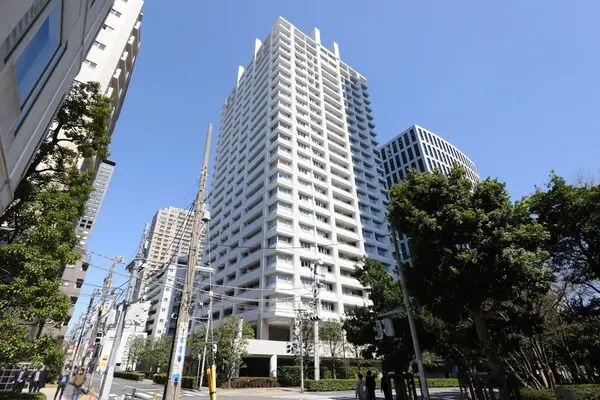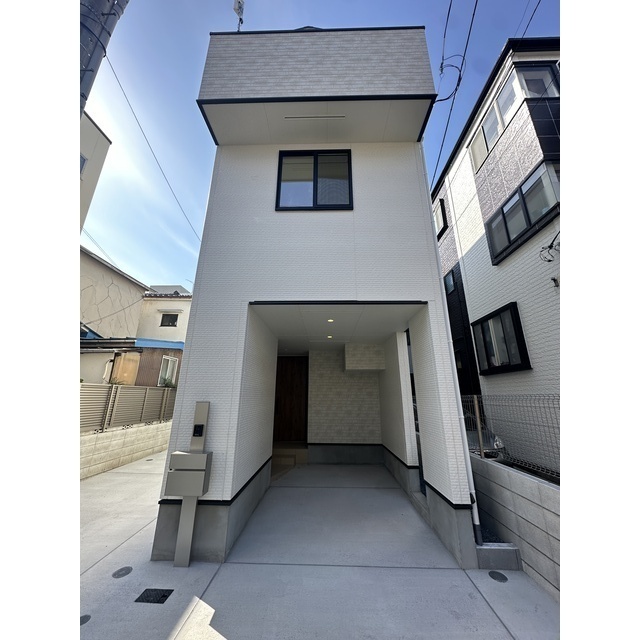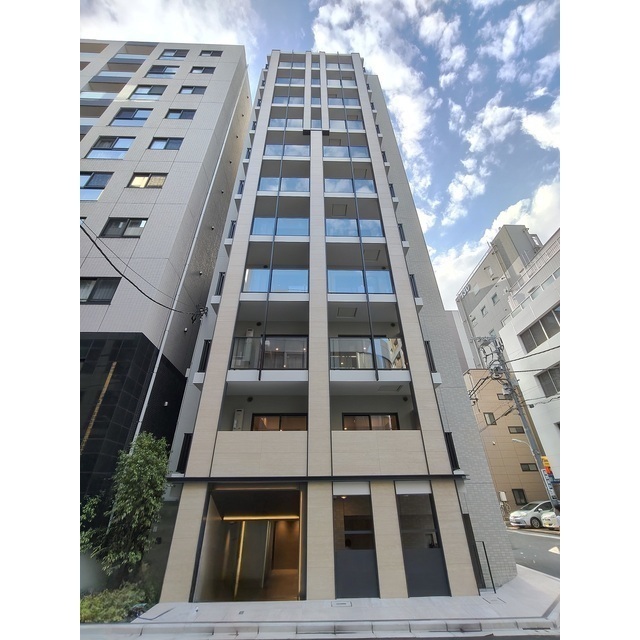

Tokyo is one of the most dynamic and livable cities in the world. It offers exceptional convenience, culture, restaurants, public transportation, and safety. At the same time, it can be dense, expensive, and at times challenging to adjust to if you are new to Japan or unfamiliar with the local lifestyle.
Living in Tokyo is different from visiting. Your daily experience will depend on the neighborhood you choose, your work situation, your schedule, and how you navigate social expectations. For some people, the pace and efficiency of the city feels energizing. For others, it can feel overwhelming or isolating without preparation.
This guide outlines the key advantages and challenges of living in Tokyo, based on real-life considerations. The goal is to help you assess whether the city aligns with your lifestyle and what to expect before you decide where to live.
Pros of Living in Tokyo
Tokyo’s reputation as one of the world’s most livable cities comes from clear, day-to-day advantages that meaningfully shape quality of life. The following factors consistently stand out for residents, whether they are long-term locals or newcomers settling in for the first time.
1. Exceptional Safety and Low Crime
Tokyo is one of the safest major cities in the world. Violent crime is extremely rare, and theft is uncommon enough that many people feel comfortable leaving laptops or bags unattended at cafés while stepping away.
Walking alone late at night is normal across most neighborhoods. Police presence is steady but low profile. Neighborhood police boxes, known as koban, serve as approachable local points of support.
Lost items are routinely turned in rather than taken. For many residents, this level of public safety becomes one of the most valuable aspects of daily life.
2. Cleanliness and Public Order
Tokyo maintains a high standard of cleanliness in most public spaces. Streets, train stations, and parks are generally tidy, and littering is uncommon. This is not enforced by heavy regulation but by shared social expectations. Many residents bring their trash home rather than leaving it in public bins.
Public restrooms are typically clean and regularly maintained, including those in major train stations. Buildings, sidewalks, and infrastructure are well maintained across most neighborhoods.
There are areas with more street art or graffiti, particularly around nightlife districts and some creative neighborhoods. However, these tend to be exceptions rather than the norm.
Overall, the sense of order in public spaces contributes to a comfortable daily environment and reflects broader cultural values around respect for shared environments.
3. World-Class Public Transportation
Tokyo’s train and subway network is extensive, reliable, and efficient. The system connects all major areas with frequent service from early morning until midnight. Trains run on precise schedules, with delays measured in seconds rather than minutes.
Multiple competing railway companies create redundancy and coverage. Most destinations within Tokyo are accessible within 30-60 minutes by train. Station signage includes English, and smartphone apps provide real-time navigation and route planning.
The transportation network extends beyond central Tokyo to surrounding prefectures, making day trips and weekend travel accessible. IC cards like Suica and Pasmo work seamlessly across all lines and can be used at convenience stores and vending machines.
For those who prefer flexibility, taxis are abundant though relatively expensive. Bicycle infrastructure in certain neighborhoods provides another practical option for local travel.
4. Convenience and Access to Amenities
Tokyo offers 24/7 convenience through its extensive network of convenience stores, vending machines, and late-night services. Family Mart, Lawson, and 7-Eleven locations appear every few blocks in most neighborhoods, offering everything from fresh food to bill payment services to ATMs.
Shopping districts, restaurants, and entertainment options exist throughout the city. You can find specialized stores for nearly any product or hobby. Delivery services operate efficiently, with same-day or next-day options common for most purchases.
Many neighborhoods support a fully walkable lifestyle where daily needs are accessible within 10-15 minutes on foot. Supermarkets, pharmacies, clinics, and other essential services cluster near train stations.
If membership to the Tokyo American Club is important for your lifestyle, living in neighborhoods relatively close to Roppongi maximizes your access without lengthy commutes. The club’s facilities and international community become more practical when proximity allows regular use rather than occasional visits.
5. Healthcare System Quality
Japan’s National Health Insurance system provides comprehensive coverage at affordable rates. Healthcare facilities maintain high standards, with modern equipment and well-trained medical professionals.
Routine medical care is accessible and relatively inexpensive compared to many Western countries. Preventive care is emphasized, with regular health checkups standard for employees and residents. Pharmacies are abundant, and prescription medications are generally affordable under the insurance system.
Major hospitals in Tokyo include international clinics with English-speaking staff, though language can be a barrier at smaller neighborhood clinics. Many expats find the healthcare system’s quality and accessibility to be significantly better than their home countries, particularly regarding cost and wait times.
The system does require enrollment and monthly premiums, but coverage is comprehensive for most medical needs.
6. Cultural Experiences and Seasonal Beauty
Tokyo is home to many cultural attractions, including museums, theaters, large-scale festivals, and historical sites, giving you plenty of opportunities to explore the city’s rich history and culture.
Some of the most famous festivals occur in or near Shitamachi on the eastern edge of Tokyo. These include the Kanda Matsuri, held every two years in mid-May, featuring a procession of portable shrines, taiko drummers, and dancers.
The Sanja Matsuri in Asakusa is one of Tokyo’s oldest and most famous festivals, featuring colorful parades and traditional Shinto rituals. It’s also near the best place to see the giant Sumida River Fireworks Festival, held in late July or early August.
Beyond festivals, Tokyo’s parks and gardens showcase seasonal changes throughout the year. Cherry blossom season in late March and early April transforms the city, while fall foliage in November provides striking autumn colors. These seasonal transitions create distinct experiences throughout the year and remain highlights of Tokyo living even after years of residence.
7. International Community and Support
Tokyo has established international communities across different neighborhoods, making it easier to find cultural connections and support networks.
Some of the wards with larger foreign populations include:
- Taito: Large numbers of foreign residents due to its popularity among tourists and students. Many foreign residents are from China, South Korea, and Taiwan.
- Shinjuku: Popular area for foreign residents due to its central location and employment opportunities. The ward has a diverse population, with significant numbers of Chinese, South Korean, and Filipino residents.
- Minato: High concentration of foreign residents due to international businesses and embassies. The majority are from the United States, China, and South Korea. Shibuya and Meguro also attract many of the same groups of foreign nationals.
- Setagaya: Popular residential area for foreign families, with many international schools located in this part of the city. The largest groups of foreign residents are from the United States, China, and South Korea.
- Chiyoda: Home to many government agencies and cultural institutions, with a significant foreign population due to its popularity among diplomats and researchers. The largest groups of foreign residents are from the United States, China, and South Korea.
These established communities provide access to international schools, foreign-language services, cultural organizations, and social networks that ease the transition to Tokyo living.
Cons of Living in Tokyo
While Tokyo offers many advantages, there are also challenges that affect daily life. These issues are not necessarily reasons to avoid living in the city, but they are important to understand before making a long-term commitment.
1. Work Culture and Long Hours
Tokyo’s work environment demands significant time commitment and adaptation for many foreign professionals. The traditional Japanese work culture emphasizes company loyalty, face time at the office, and hierarchical structures that can feel rigid compared to Western workplaces.
Long working hours remain common, with many employees staying late even after completing their tasks to demonstrate dedication. The concept of “service overtime” (unpaid extra hours) persists in many companies. Vacation time, while legally guaranteed, is often difficult to take in full, with many workers using only a fraction of their annual leave.
Work-life balance varies significantly by company and industry. International firms and startups typically offer more flexibility, while traditional Japanese companies may expect 60+ hour weeks as standard. The pressure to prioritize work over personal life affects social activities, family time, and overall quality of life for many residents.
Career advancement often follows strict age-based hierarchies rather than merit alone. Foreign workers may face salary disparities compared to local counterparts in similar positions, particularly outside international companies.
2. High Cost of Living
Tokyo ranks among the most expensive cities in the world. Housing, food, transportation, and daily expenses require careful budget planning.
Housing costs vary significantly by location. A general rule of thumb is that the closer you get to the Imperial Palace, the higher the cost per square meter and rent. Central neighborhoods like Minato, Shibuya, and Chiyoda command premium prices, while outer wards offer more affordable options with longer commutes.
Dining out, while offering excellent value at budget restaurants (500-1,000 yen for meals), adds up quickly. Grocery costs, particularly for imported goods and fresh produce, exceed those in many Western countries. International schools for families can cost 2-3 million yen annually per child.
Utilities, internet, mobile phone plans, and other recurring expenses are generally reasonable, but initial move-in costs for apartments can require 4-6 months’ rent upfront for deposits and fees.
3. Limited Living Space
Housing in Tokyo tends to be significantly smaller than what many foreign residents expect, especially those coming from North America or Australia.
When we say “small,” we’re talking about an apartment that may not be more than 80 square meters (approximately 860 square feet) for a family-sized unit. Many singles and couples live in spaces of 25-40 square meters. You would be fortunate to find anything approaching 200 square meters (2,150 square feet) without paying a substantial premium, typically reserved for luxury properties in prime locations.
Storage space is minimal in most apartments. Closets are often single-wall units rather than walk-ins. Many residents rent separate storage facilities for seasonal items, sports equipment, or belongings they can’t fit in their homes.
The compact living spaces require adjustment in lifestyle, from furniture choices to how much you can own. Minimalism becomes practical necessity rather than aesthetic choice for many Tokyo residents.
4. Social Integration and Friendship Challenges
Making deep, lasting friendships with Japanese locals presents challenges for many foreign residents, even those who speak Japanese fluently and live in Tokyo for years.
Japanese social structures tend to be established in childhood, school, and early career. Adult friendships often center around workplace relationships. The cultural concepts of tatemae (public face) versus honne (true feelings) mean that surface-level politeness doesn’t necessarily translate to close personal relationships.
Many foreign residents report feeling welcomed and treated kindly, but struggling to move beyond acquaintance-level relationships with Japanese neighbors and colleagues. Social invitations may be formal rather than spontaneous, and maintaining friendships requires navigating complex etiquette around gift-giving, seasonal greetings, and social obligations.
Language ability helps but doesn’t guarantee social integration. Communication styles differ significantly, with Japanese culture favoring indirect expression and reading context over explicit statements. This can create misunderstandings and feelings of isolation even in seemingly friendly interactions.
Many long-term expats build social circles primarily within the international community rather than with local Japanese friends, which can feel limiting over time.
5. Crowding and Population Density
Tokyo’s population density creates unavoidable crowding, particularly during commuting hours. Rush hour trains from 7:30-9:30 AM and 5:30-7:30 PM can be intensely packed, with professional “pushers” employed to compress passengers into cars during peak times.
Navigating crowded stations, shopping areas, and popular destinations requires patience and planning. Personal space is limited in most public settings. Popular restaurants, attractions, and even parks can feel congested, especially on weekends and holidays.
Traffic congestion affects those who drive, with parking expensive and limited. Road construction is common and typically occurs at night to reduce daytime disruption, which can affect sleep in some neighborhoods.
The population density also means limited green space in most residential areas. While parks exist, they’re often small and crowded, particularly during cherry blossom season and other peak times.
6. Housing Discrimination and Rental Barriers
Foreign residents frequently encounter discrimination when searching for rental housing. Many landlords explicitly refuse to rent to non-Japanese tenants, regardless of employment status, financial stability, or Japanese language ability.
Real estate agents may show limited inventory to foreign applicants or require additional documentation, guarantors, or upfront payments that Japanese renters don’t face. Some properties list “Japanese only” in their requirements, which while legally questionable, remains common practice.
The guarantor system creates additional barriers. Many landlords require a Japanese national as a guarantor, which can be impossible for new arrivals without established local connections. Guarantor companies exist as alternatives but charge significant fees.
Move-in costs compound these challenges, typically requiring 4-6 months’ rent upfront including deposits (shikikin), key money (reikin), agent fees, and advance rent. These costs, combined with limited housing options, create significant stress during the apartment search process.
7. Language Barrier
While Tokyo offers more English support than other Japanese cities, daily life still requires Japanese language ability for most tasks outside tourist areas and international business districts.
Medical appointments, government paperwork, banking, phone contracts, and dealing with utilities often require Japanese. Many neighborhood restaurants, shops, and service providers operate entirely in Japanese. Emergency services and police typically have limited English capability.
Written Japanese presents particular challenges. Three writing systems (hiragana, katakana, kanji) mean that even basic tasks like reading mail, understanding contracts, or navigating government documents require language skills or regular translation assistance.
The language barrier affects employment opportunities, limits social integration, and creates daily frustrations. Simple tasks that would take minutes in your home country can require hours of preparation, dictionary use, or translator help in Tokyo.
Many foreign residents live in Tokyo for years without achieving functional Japanese fluency, relying on English-speaking services, international companies, and expat networks. This limits the depth of cultural experience and creates ongoing dependency on language support.
Is Tokyo Right for You?
Tokyo offers exceptional safety, convenience, and cultural experiences balanced against high costs, limited space, and a challenging work culture.
The city suits those who embrace its unique rhythms while presenting real difficulties for those expecting Western lifestyle patterns.
Your experience depends on work situation, language ability, and personal priorities. The neighborhoods you choose significantly affect daily quality of life, from commute times to community support to living space.
Tokyo Portfolio helps international residents navigate Tokyo’s real estate market. We understand the challenges foreign residents face when finding housing and can identify neighborhoods that match your priorities and budget. Contact us to discuss your housing needs and explore options across Tokyo’s neighborhoods.