Shirokane is one of Tokyo’s oldest, wealthiest addresses. The neighborhood has housed feudal lord estates, Meiji-era industrialist mansions, and, more recently, a generation of wealthy Japanese families and international executives who prefer quiet residential streets over the commercial intensity of Roppongi or Omotesando.
A 1998 magazine article gave the residents a nickname, “Shiroganese,” riffing on “Milanese” to describe the housewives who shopped along Platinum Street and lunched at the area’s upscale restaurants. The caricature has faded over the years, but the reputation for understated wealth has held.
Shirokane sits in the southern part of Minato Ward, bordered by Hiroo to the north, Meguro to the west, and Takanawa to the south. The area is served by Shirokane-Takanawa and Shirokanedai stations on the Namboku and Toei Mita lines, and it centers on the retail corridor along Platinum Street and the 20-hectare forest of the Institute for Nature Study.
In this guide, we cover Shirokane from the perspective of someone evaluating the area as a place to live, rent, or buy property. We will walk through transport access and commute times, property prices and rental costs, the differences between the area’s sub-sections, daily amenities, schools and healthcare, future development plans, and how the neighborhood compares to Hiroo, Azabu, and Meguro.
About Shirokane
Shirokane occupies a compact residential area in the southern part of Minato Ward, covering a mix of quiet backstreets, a commercial retail spine along Platinum Street, and one of the largest green spaces in central Tokyo.
The name translates to “platinum” or “silver,” and the neighborhood’s origins as a wealthy enclave go back to the Muromachi period, when a local officeholder named Kazusanosuke Yagishita amassed a silver fortune and became known as the “Shirokane Choja,” or platinum millionaire. That association with wealth has persisted through every subsequent era. The land was divided among daimyo lords during the Edo period, then passed to Meiji-era industrialists who built large private estates, and eventually transitioned into the modern luxury residential area that exists today.
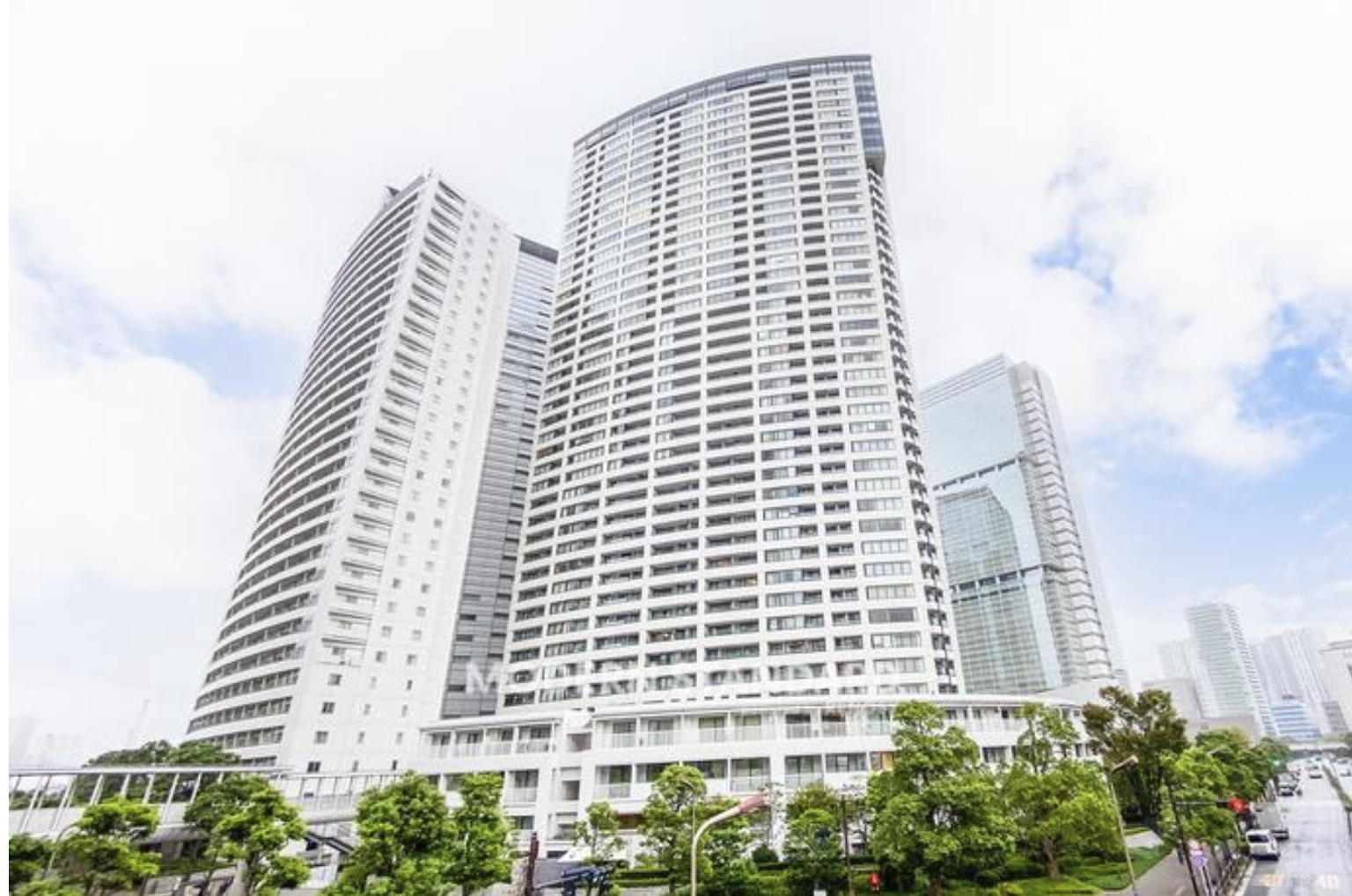
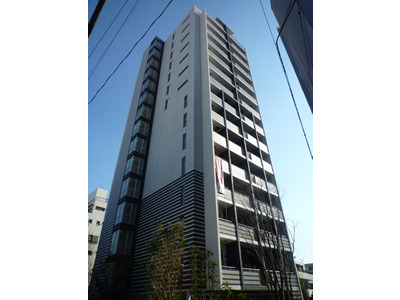
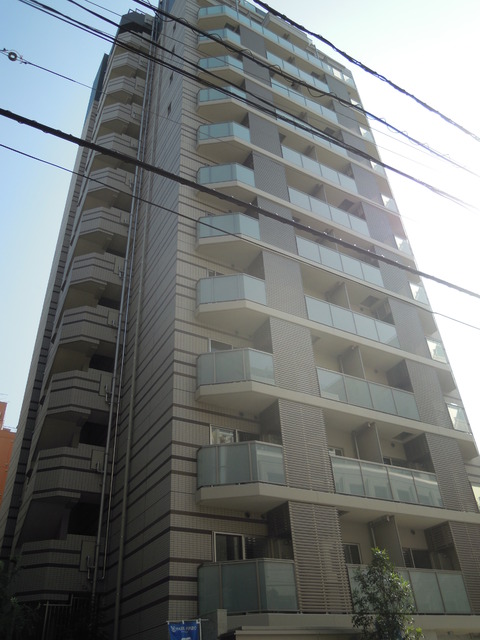
The neighborhood is served by two stations, Shirokane-Takanawa and Shirokanedai, both sitting on the Tokyo Metro Namboku Line and the Toei Mita Line. The two stations are about a six-minute walk apart, and most of Shirokane sits between them or within a short walk of one of them. Shirokane-Takanawa handles the commercial side of the neighborhood, with the Shirokane AER City complex housing offices, retail, and residential towers, including the 42-story Shirokane Tower.
Shirokanedai sits closer to Platinum Street, and the Institute for Nature Study, and the area around the station has a more residential feel with older mansions and a scattering of high-end boutiques.
Shirokane’s character is shaped by what it is not. It does not have the nightlife of Roppongi, the restaurant density of Azabu-Juban, or the international school cluster of Hiroo. What it has is a sense of quiet wealth and institutional stability that traces back to its feudal-era origins and has been reinforced by decades of upscale development.
The residents are, on average, older than in Roppongi or Shibuya, though a new generation of luxury towers, including SHIROKANE The SKY, has begun to shift the demographic toward younger professionals and international families who want central Tokyo access without the commercial bustle.
Getting Around Shirokane: Transport and Commute Times
Shirokane’s transit access is straightforward but less diverse than neighborhoods with more stations or more lines. The two stations that serve the area, Shirokane-Takanawa and Shirokanedai, both sit on the Tokyo Metro Namboku Line and the Toei Mita Line, which means residents have direct access to two lines from either station but no other options within immediate walking distance.
For most destinations, this is sufficient, and for some commutes, the direct Mita Line access to the Marunouchi and Otemachi financial districts is a significant advantage over neighborhoods that require transfers.
The Namboku Line runs north through central Tokyo, with direct service to Azabu-Juban, Roppongi-Itchome, Tameike-Sanno, Nagatacho, Iidabashi, and Komagome. The Mita Line runs northeast, reaching Mita, Onarimon, Uchisaiwaicho, Hibiya, Otemachi, and Jimbocho without a transfer.
The Mita Line also offers through-service to the Tokyu Meguro Line at Meguro, providing a one-seat ride to Shin-Yokohama via the Tokyu Shin-Yokohama Line for residents who travel to the Kanagawa area regularly.
For destinations not served directly by the Namboku or Mita lines, the transfer at Meguro Station puts you on the JR Yamanote Line within about four minutes, which opens up the rest of central Tokyo. Shibuya, Shinagawa, Tokyo Station, and Shinjuku are all reachable via a Meguro transfer, with total travel times of 15-25 minutes, depending on the destination.
Here is how commute times from Shirokane break down across Tokyo’s major hubs:
- Meguro: 4 minutes (Namboku or Mita Line direct)
- Roppongi-Itchome: 6 minutes (Namboku Line direct)
- Otemachi/Marunouchi: 15 minutes (Mita Line direct)
- Hibiya: 12 minutes (Mita Line direct)
- Shibuya: 15 minutes (via Meguro, JR Yamanote)
- Shinagawa: 10 minutes (via Meguro, JR Yamanote)
- Tokyo Station: 20 minutes (via Meguro, JR Yamanote, or Mita Line + transfer)
- Shinjuku: 22 minutes (via Meguro, JR Yamanote)
- Ikebukuro: 30 minutes (via Meguro, JR Yamanote)
- Haneda Airport: 25 to 30 minutes (via Mita Station, Asakusa Line through-service to Keikyu)
- Narita Airport: approximately 90 minutes
Shirokane sits on the quieter side of Tokyo in terms of rail density, which is both a feature and a limitation. The tradeoff is that the relatively modest transit profile is part of what keeps the neighborhood residential in character.
The narrow streets, low foot traffic around the stations, and lack of major transfer hubs all contribute to the calm atmosphere that residents move here for in the first place.
Car ownership is more common here than in most central Tokyo neighborhoods, and several of the luxury residential buildings include substantial parking allocations. The streets are wide enough to accommodate vehicles comfortably, though traffic is generally light outside of rush hour.
Shirokane’s Sub-Areas
Shirokane is compact enough that the differences between sub-areas are subtle, but they matter for anyone deciding where to rent or buy.
The neighborhood breaks down into four distinct zones based on proximity to the stations, elevation, and the character of the surrounding streets.
Shirokane 1-chome
The area around Shirokane-Takanawa Station is the most commercial part of the neighborhood. This is where Shirokane AER City sits, anchored by the 42-story Shirokane Tower residential building, the 26-story NBF Platinum Tower office building, and retail space that includes Queen’s Isetan supermarket and smaller dining options.
The upcoming Shirokane 1-chome Western Central Area redevelopment will add another 991 residential units to the area by FY2028, further densifying the area and likely driving additional retail and restaurant openings. This is the part of Shirokane that suits residents who want maximum convenience, new construction, and high-rise living.
The trade-off is that the immediate blocks around the station are busier and noisier than the traditional residential areas farther from the transit hub.
Shirokane 4-chome and 5-chome
North and west of Shirokane-Takanawa Station, the residential character quickly takes over. Shirokane 4-chome and 5-chome contain the quieter streets that define the neighborhood’s reputation.
The housing stock here is a mix of older low-rise mansions, small luxury towers, and some remaining detached houses, many of which sit on larger-than-average lots for central Tokyo. The streets are narrow and pedestrian-oriented, and the general atmosphere is meaningfully calmer than the station core.
This is where longer-term residents tend to concentrate, and where rent and purchase prices per square meter are highest in Shirokane proper. Property turnover is relatively low, which means good listings in this area tend to move quickly.
Shirokanedai
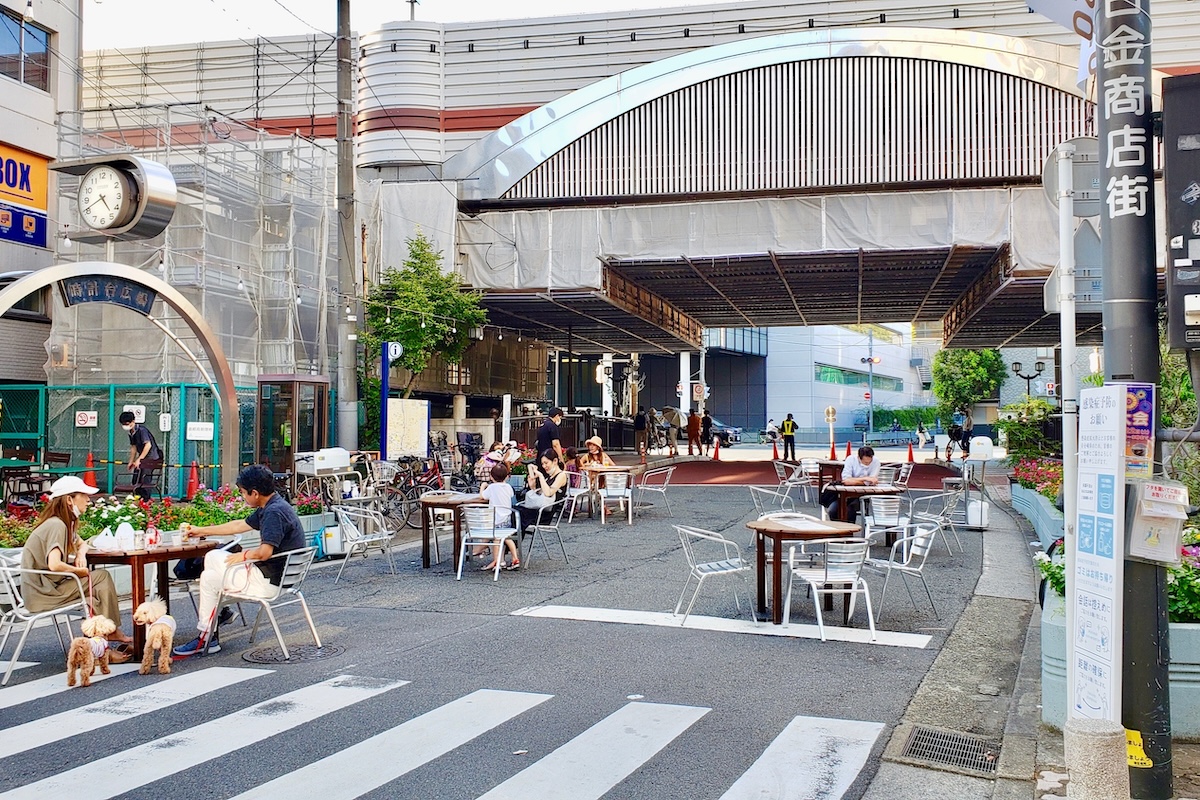
The area around Shirokanedai Station has a different character from the rest of the neighborhood. Platinum Street runs through this section, and the blocks closest to it carry a higher density of boutiques, cafes, and restaurants than you find elsewhere in Shirokane.
The Institute for Nature Study’s main entrance sits adjacent to the station, as does the Tokyo Metropolitan Teien Art Museum in the former residence of Prince Asaka. The proximity to these institutions gives Shirokanedai a slightly more cultural feel compared to Shirokane-Takanawa’s commercial orientation.
Residential buildings here include Proud Tower Shirokanedai (36 stories) and a mix of mid-rise luxury mansions on the quieter streets behind the main corridor.
The Sankozaka Area
West of Shirokane-Takanawa Station, the Sankozaka area is the most exclusive sub-section of the neighborhood. The streets climb slightly in elevation, and the housing consists primarily of detached mansions and very small luxury buildings on generous lots.
This is where the former residence of the SEIKO founder sat until it was sold for roughly ¥30 billion in 2023, and where similar private estates still occupy blocks that have changed hands rarely over the past several decades.
Rent and purchase prices in Sankozaka run significantly above the Shirokane average, and available listings are rare. This is the part of the neighborhood that most closely matches the classic “Shiroganese” image of quiet old money and the residents who have lived on the same streets for generations.
Shirokane Property Market For Renting and Buying
Shirokane sits at the top end of the Tokyo rental and purchase markets, though its pricing dynamics differ from those of the more famous Minato-ku neighborhoods.
Rent and purchase prices here are generally comparable to Hiroo for equivalent apartment sizes, slightly below the premium floors of Azabu-Juban and Omotesando, and meaningfully above Meguro for comparable buildings.
The area’s appeal to buyers and longer-term renters rests on a combination of institutional stability, limited supply, and the quiet residential character that has defined the neighborhood for decades.
Rental Prices by Apartment Type
Rental prices in Shirokane vary by building age, floor level, proximity to stations, and the sub-area the apartment is in.
Newer buildings in the Shirokane 1-chome commercial zone and high-floor units in Shirokanedai command the highest per-square-meter rents, while older stock in the residential core offers relatively better value for residents who prioritize quiet streets over modern finishes.
Luxury towers like SHIROKANE The SKY and Shirokane Tower are priced significantly above the ranges below.
- 1R / 1K: ¥120,000 to ¥200,000 per month
- 1LDK: ¥200,000 to ¥350,000 per month
- 2LDK: ¥350,000 to ¥600,000 per month
- 3LDK: ¥500,000 to ¥1,000,000+ per month
For context, these prices sit roughly on par with Hiroo and slightly below the comparable floors in Azabu-Juban. Meguro runs about 15 to 20 percent lower for equivalent layouts in similar-vintage buildings.
Takanawa, immediately south of Shirokane, has similarly priced apartments for most types, though the luxury tier in Shirokane still commands a premium due to stronger brand recognition and the concentration of prestigious residential buildings.
Buying Property in Shirokane
The purchase market in Shirokane varies widely, depending on building, age, and location within the neighborhood.
The general resale market for older condominiums built in the 1980s through 2000s offers entry points in the ¥60 million to ¥120 million range for compact 1LDK layouts in well-maintained buildings. Mid-range 2LDK and 3LDK units in established buildings typically trade between ¥150 million and ¥350 million, depending on floor, view, and building reputation.
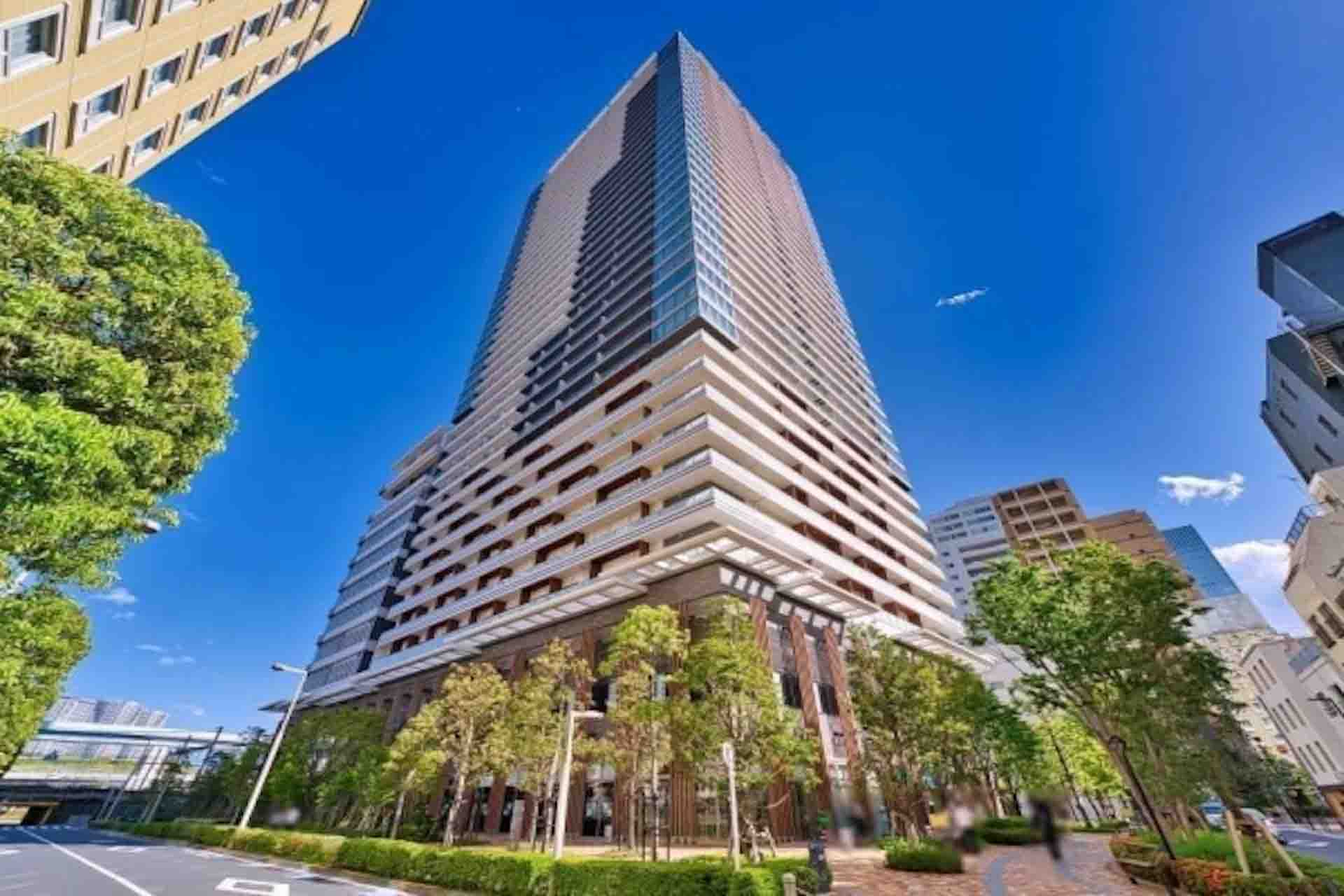
The luxury tier includes several landmark developments. SHIROKANE The SKY, the 45-story tower completed in 2023, has seen units trading at an average of roughly ¥5 million to ¥6 million per tsubo, with 70-square-meter units reportedly exceeding ¥1 billion.
Shirokane Tower, the older 42-story building within Shirokane AER City, has a more established resale market, with units trading at a wide range depending on floor and renovation condition. The upcoming Shirokane 1-chome Western Central Area development, scheduled for completion in FY2028, will add 991 new units to the market and is likely to further elevate pricing in the immediate area once pre-sales begin.
Market data from the past decade shows meaningful appreciation in Shirokane. Used condo prices near the stations have risen roughly 60 to 70 percent over the past ten years, according to industry tracking, and land prices in Minato Ward’s southern sections have increased about 5 percent annually, with stronger gains in the 2013 to 2018 period when they surged more than 1.3 times.
The Shirokane 1-chome residential land price showed a 7 percent year-on-year increase in 2024 alone. These trends reflect the combination of constrained supply, continued demand from both domestic and international buyers, and the anticipation of ongoing redevelopment activity.
What It’s Like to Live in Shirokane
Shirokane is a neighborhood where daily life revolves around a handful of reliable amenities rather than the endless options you find in Shibuya or Azabu-Juban.
The infrastructure for residents is strong but concentrated, which means most errands happen at the same few stores, and most weekend routines settle into a familiar rhythm of Platinum Street, the Institute for Nature Study, and one or two favored restaurants.
For people who value consistency and quiet, this is part of the appeal. For people who want constant variety and a rotating cast of new openings, Shirokane can feel limited.
Daily Amenities
Grocery shopping in Shirokane leans upscale. Queen’s Isetan on the B1 level of Shirokane-Takanawa Station is the go-to for residents seeking quality produce, imported goods, and prepared foods, though prices run noticeably higher than those at standard Japanese supermarkets.
Platinum Don Quijote on Platinum Street is a unique version of the usual Don Quijote chain, with a stronger emphasis on food and daily necessities rather than the discount tourist goods you find at other locations. It operates 24 hours, which matters for residents who shop at unusual hours. Inageya and Maruetsu Petit provide more affordable everyday grocery options, with Maruetsu Petit operating multiple locations in the area.
The Peacock Store on Gyoranzaka, about a seven-minute walk from Shirokane-Takanawa Station, includes a 100-yen shop on the third floor for household basics.
Drugstores are well covered with Matsumoto Kiyoshi and Tsuruha Drug, both operating in the area, and convenience stores are distributed throughout the neighborhood in the pattern typical of central Minato Ward. Banking, postal services, and the Minato Ward administrative offices are all reachable within the area.
The overall pattern is that Shirokane has everything you need for daily life without requiring trips to neighboring areas, though residents who want specialty shopping or a broader restaurant selection tend to walk or take short rides to Hiroo, Meguro, or Ebisu.
The restaurant scene in Shirokane is smaller than in the surrounding areas but includes some well-regarded options. Sangoan, a soba restaurant with one Michelin star, sits in the neighborhood. Cafe La Bohème operates a location on Platinum Street that has been a neighborhood fixture for years.
Thrush Cafe and Kaiju operate within the Happoen garden complex. Karoku, an izakaya that has been open since 1964, and Suzukiya, a motsu restaurant open only on weekdays from 6:30 to 8:30 PM, occupy spots on the Shinohashi Shirokane shotengai.
Platinum Street itself houses a rotating mix of high-end boutiques and dining options, though the retail turnover has been steady over the past several years as the area has evolved.
Safety
Minato Ward is one of the safest wards in Tokyo, and Shirokane sits comfortably within that profile. Violent crime is extremely rare. The most common issues are limited to bicycle theft and occasional petty property crime, neither of which would register as meaningful concerns for most residents.
The embassy presence in the broader Minato-ku area and the established residential character of Shirokane contribute to a strong security baseline. The streets are well-lit, and foot traffic stays steady on the main roads until late evening, which adds to the sense of safety for residents walking home at night.
Parks and Green Spaces
The defining green space in Shirokane is the Institute for Nature Study, a 20-hectare preserved forest managed by the National Museum of Nature and Science.
The grounds were imperial property before becoming a research and education facility, and the forest contains ancient zelkovas, Japanese black pines, and a variety of native plant species that have been allowed to grow largely undisturbed for over a century. Admission is modest, around ¥320 for adults and free for high schoolers and younger, and the institute limits daily visitors to preserve the forest environment.
For Shirokane residents, having this kind of forest within walking distance of their apartment is a genuine lifestyle advantage that very few Tokyo neighborhoods can match.
The Tokyo Metropolitan Teien Art Museum sits adjacent to the Institute for Nature Study in the former residence of Prince Asaka, built in 1933 in Art Deco style by French designers including Henri Lapin and René Lalique.
The museum grounds include a garden that is accessible with museum admission. Happo-en, the historic landscaped garden complex, sits between Shirokanedai and Meguro and includes restaurants, event spaces, and one of the most photographed traditional gardens in Tokyo. The complex closed in February 2025 for major renovation and reopened in October 2025.
Shirokane Hikawa Shrine sits on a small hill in the residential section of the neighborhood and provides a pocket of green space and quiet that residents often use for morning walks.
For larger-scale green space, Arisugawa-no-miya Memorial Park in neighboring Hiroo is a 15-minute walk, and Meguro Sky Garden in the Ohashi area is a similar distance.
Shirokane for Families and Expats
Shirokane has a long history as a residential area for international executives, and the infrastructure for expat families reflects that track record.
The neighborhood sits within Minato Ward, which maintains some of the strongest support services for foreign residents in Tokyo, and the combination of international school access, English-speaking medical facilities, and a relatively large existing expat community makes Shirokane one of the more practical choices for families relocating to the city.
Schools
Public school zoning in Shirokane places elementary students primarily at Shirokane Elementary School and Shirokane-no-Oka Gakuen, with junior high students at Takamatsu Junior High or Mita Junior High depending on address.
Minato Ward public schools are generally well-regarded and offer support programs for non-Japanese students, though most international families in Shirokane opt for private or international schooling given the strength of nearby options.
International school access is one of the neighborhood’s stronger selling points. The American School in Japan Early Learning Center in Roppongi is reachable via school bus routes that stop near Shirokanedai Station and Happo-en, and Saint Mary’s International School runs similar bus routes from stops in the area.
Tokyo International School sits about an eight-minute walk from Shirokane-Takanawa Station and serves children ages four to fourteen, drawing most of its students from the expatriate community in Minato-ku. Seisen International School, the Catholic girls’ school in nearby Yoga, operates bus routes that serve the Shirokane area.
Nishimachi International School in Moto-Azabu is reachable within a ten to fifteen-minute ride. The proximity of The American School in Japan’s main campus in Chofu is more challenging at roughly 45 minutes by bus, but it remains a viable option for families willing to accept the longer commute.
Daycare availability in Minato Ward has improved in recent years but remains competitive, with waitlists common for popular hoikuen placements. Several international preschools operate in the broader Minato-ku area, and many luxury residential buildings in Shirokane include dedicated children’s amenities and play areas.
Parents should expect to begin the daycare application process well in advance of an intended start date.
Healthcare
Shirokane has a stronger healthcare infrastructure than most Tokyo residential neighborhoods. IMSUT Hospital, operated by the Institute of Medical Science at the University of Tokyo, sits directly across from Shirokanedai Station.
The hospital has English-speaking doctors and accepts patients without referrals for internal medicine, surgery, pediatric hematology and oncology, radiology, and urology, which makes it unusually accessible for foreign residents compared to most Japanese hospitals. Kitasato University Hospital, located in the broader Minato-ku area, provides additional specialty care.
For routine care, several small clinics operate within walking distance of both stations, covering general practice, dental, and pediatric needs. English-speaking medical access in Shirokane is stronger than in most Tokyo neighborhoods outside the central international corridors, partly because of IMSUT and partly because the long-established expat presence has created sustained demand for bilingual services. Minato Ward’s health center provides vaccinations, health screenings, and maternal care for registered residents.
For families establishing themselves in the area, the practical approach is to identify a local clinic for routine care and rely on IMSUT or another nearby hospital for more serious care. The ward-level support infrastructure for foreign residents, including multilingual administrative services and translated medical documentation, is among the strongest in Tokyo.
The Expat Community
The international community in Shirokane has a different profile from the expat populations in Hiroo or Azabu-Juban. The foreign residents here tend to be longer-term executives, diplomats, senior professionals, and international families who have chosen the neighborhood for its quiet character rather than its social scene.
The turnover is lower than in more commercially active expat hubs, which means the community is smaller but more established, with residents who have often lived in the same buildings for five to ten years or longer.
English is not widely spoken in the smaller local shops and restaurants, though the staff at the upscale boutiques along Platinum Street and at the larger retailers like Queen’s Isetan generally speak enough English to handle daily transactions.
Minato Ward’s administrative services offer extensive English-language support for resident registration, health insurance, tax matters, and other bureaucratic processes. The neighborhood’s long history as an international residential area means most service providers, from real estate agencies to medical clinics to school bus operators, have existing systems for working with foreign residents.
Is Shirokane Right for You?
Shirokane works best for people who want a prestigious central Tokyo address with strong transit access, established international infrastructure, and a residential character that stays consistent year after year.
The direct Mita Line access to Otemachi and the Namboku Line connection to Roppongi-Itchome and beyond give residents a commute profile that covers most of Tokyo’s major employment centers, and the combination of international schools, English-speaking medical care and Minato Ward’s multilingual support services makes the practical logistics of relocating here smoother than in most Tokyo neighborhoods.
The area is particularly well-suited to senior executives, diplomats, and international families who prioritize quiet and space over commercial energy. The luxury tower market, including SHIROKANE The SKY and Shirokane Tower, serves residents who want new construction and high-floor views with full amenities, while the quieter residential blocks of Shirokane 4-chome, 5-chome, and the Sankozaka area offer the kind of established, low-rise character that appeals to longer-term residents.
Families benefit from strong school bus access to the major international schools, Minato Ward’s public school system, and the Institute for Nature Study’s 20 hectares of preserved forest within walking distance of most addresses.
For property investors, Shirokane offers a supply-constrained market with stable long-term appreciation, backed by multiple active and planned redevelopment projects that are reshaping the area without overwhelming its residential character.
Entry prices are not low, and yields run tighter than in less-prestigious neighborhoods, but the combination of demand stability and limited new supply has produced consistent capital appreciation over the past decade and shows signs of continuing through the current development cycle.
Shirokane is less ideal if you want a dense dining and nightlife scene on your doorstep, a large and visible international social community in the immediate neighborhood, or the walkable shopping and café density that defines Omotesando or Daikanyama.
It is a neighborhood built around quiet prestige and institutional permanence rather than lifestyle energy, and the residents who stay here the longest tend to value that balance.
If you are considering Shirokane for your next home or as a property investment, contact our team to discuss your requirements. We work with international buyers and renters across Tokyo and can help you navigate the search, application, and purchase process from start to finish.