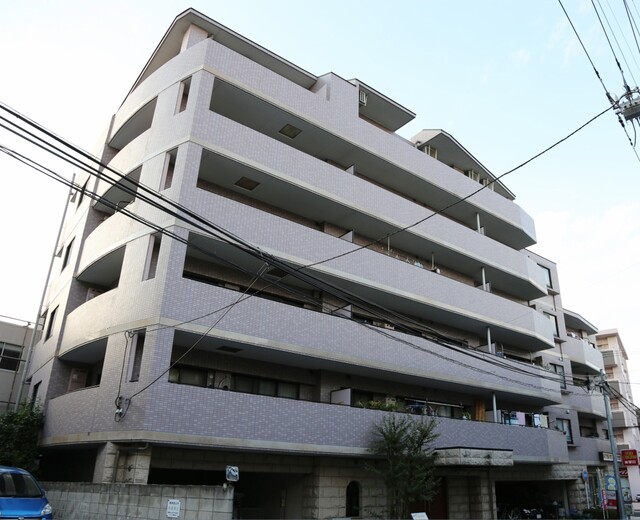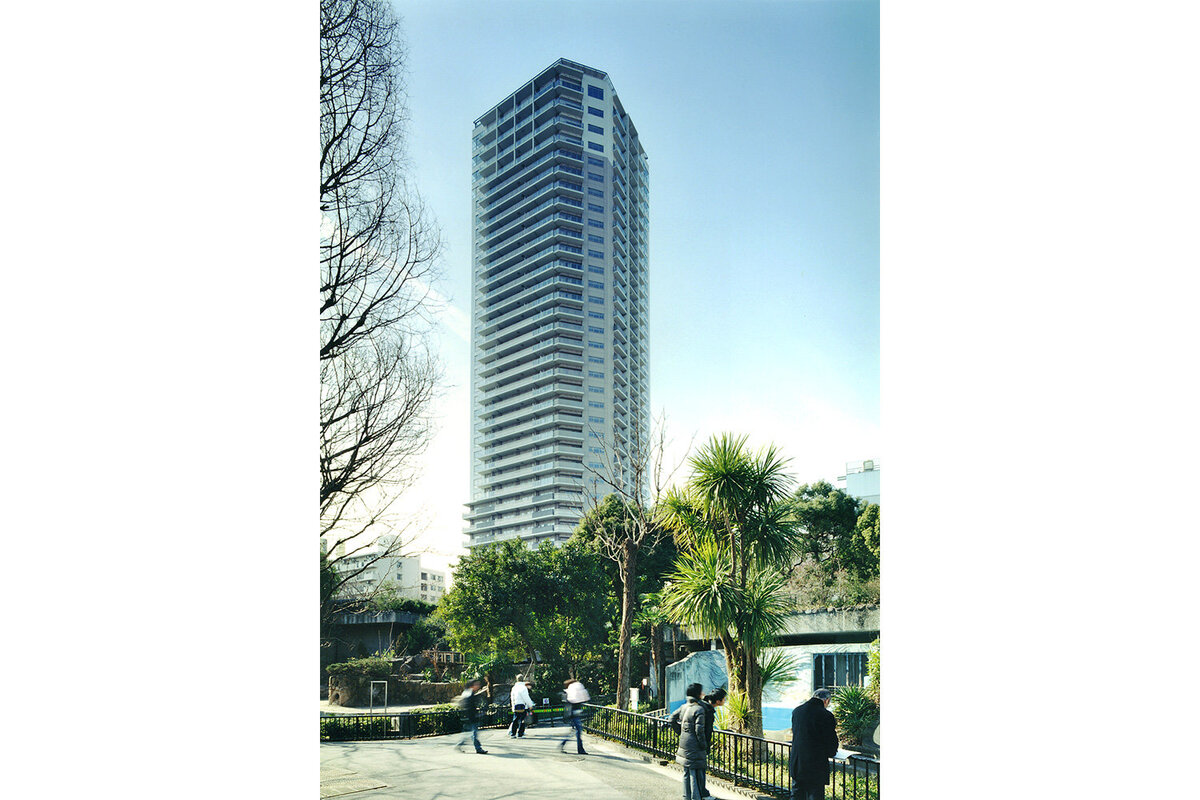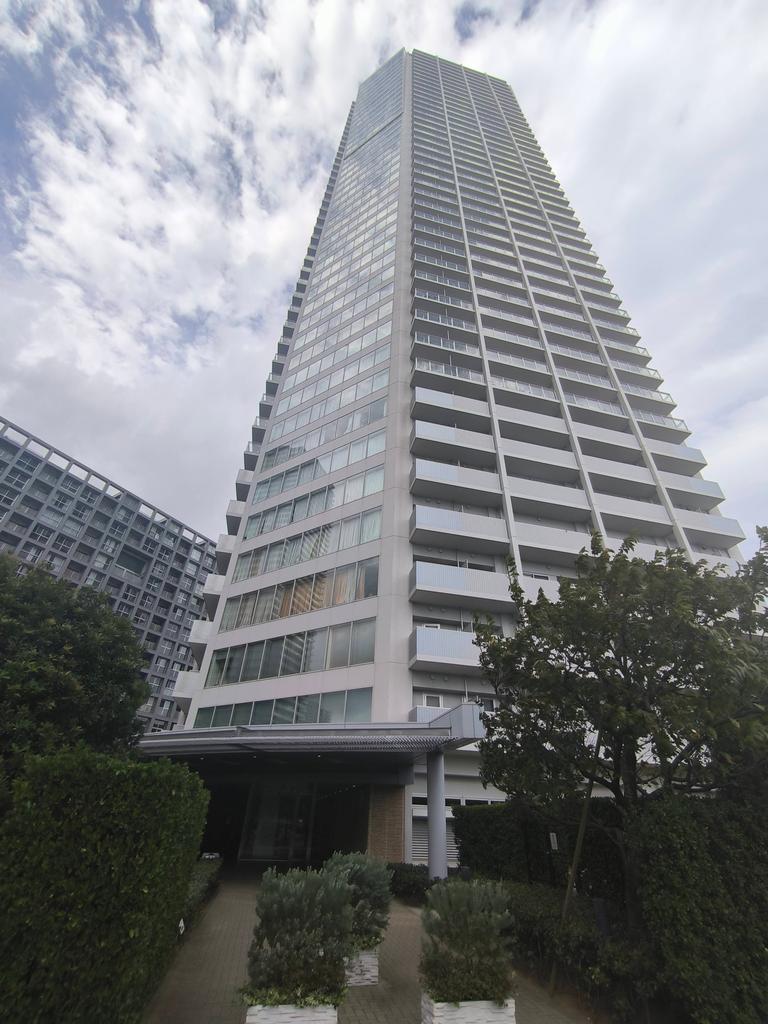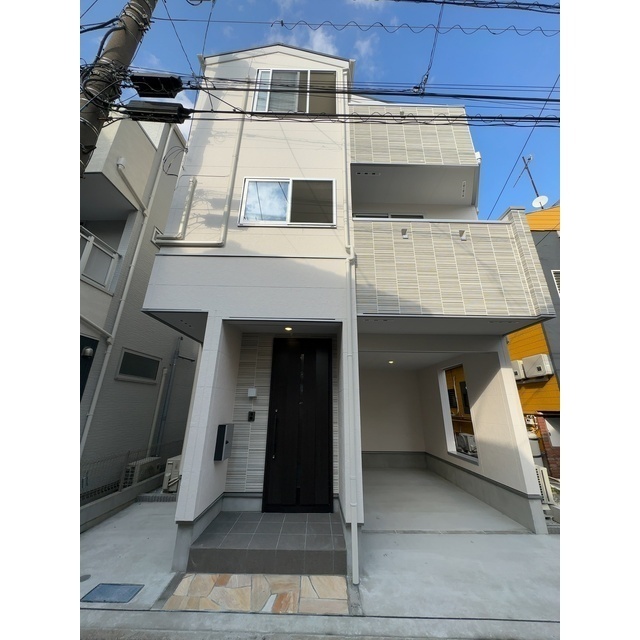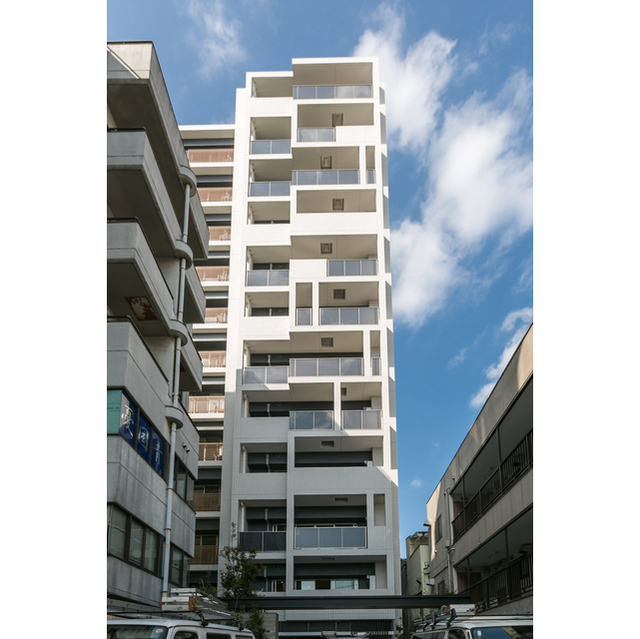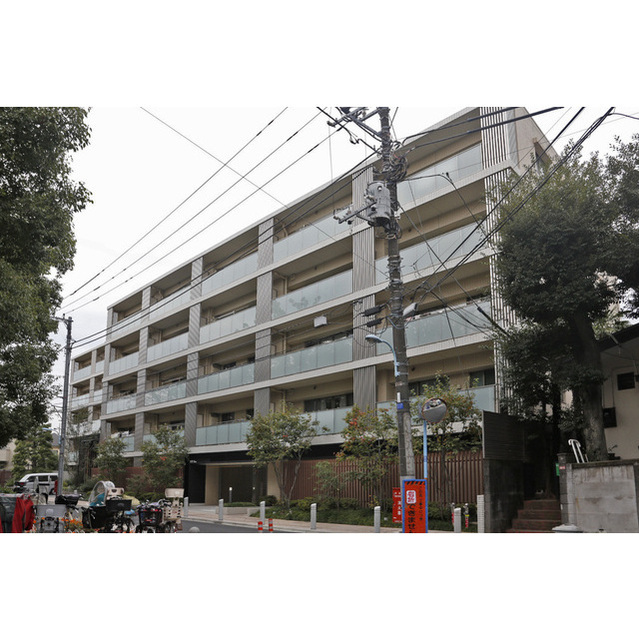
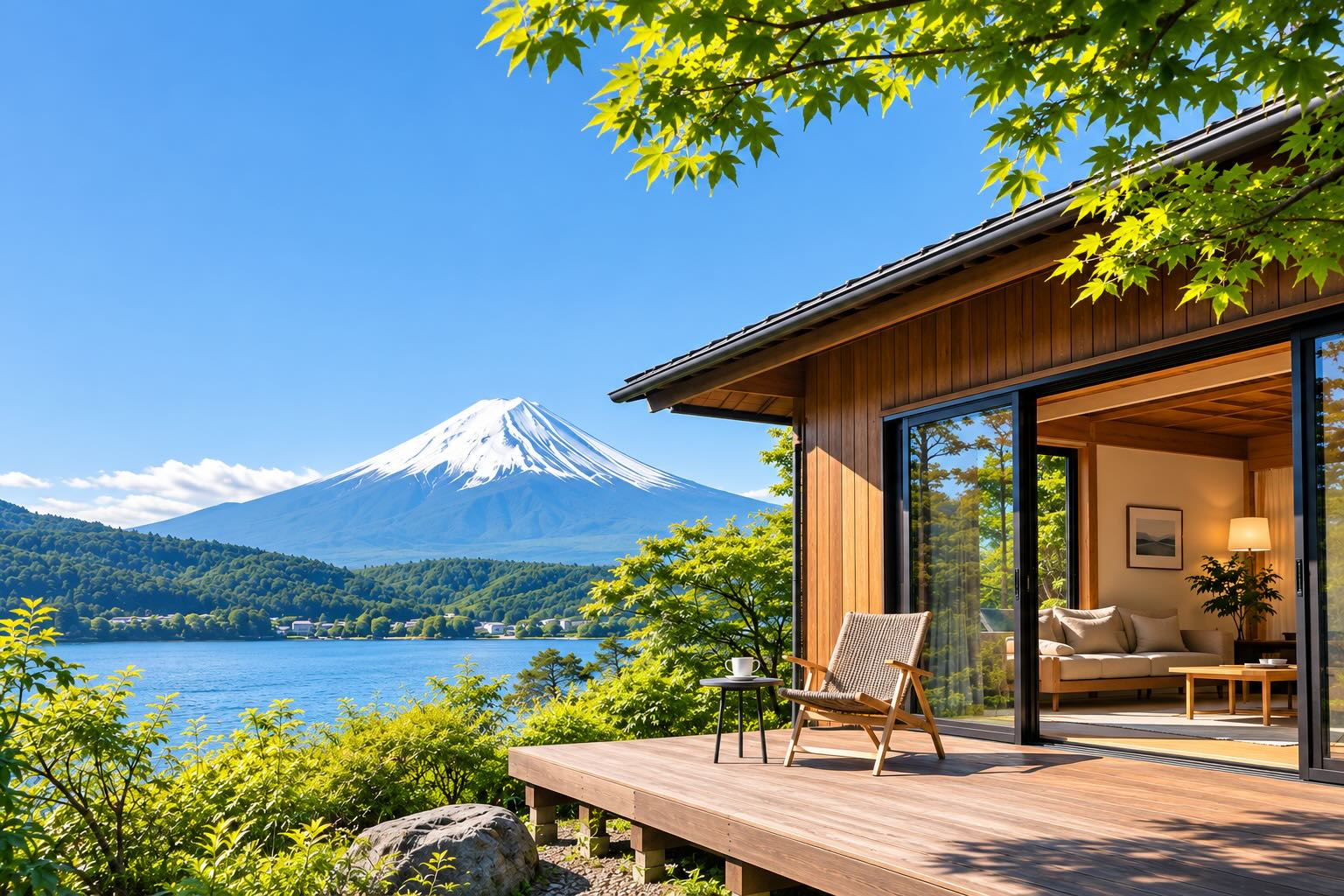
If you visit Japan regularly, you might have considered buying a vacation home instead of booking accommodation every time you travel. Whether it’s an apartment in Tokyo, a house near the coast, or a property in a ski resort, owning a vacation home gives you a place to stay whenever you return to Japan.
Foreigners can buy vacation homes in Japan even if they don’t live in the country or have a Japanese residence visa. However, financing a property can be more difficult for non-residents, and you’ll need to account for purchase taxes, maintenance expenses, and ongoing property management.
You’ll also need to consider what happens to the property when you’re not in Japan. Depending on the location and type of property, you may need someone to inspect the home, handle repairs, and manage utility bills. If you plan to rent it out while you’re away, additional regulations may apply.
In this guide, we’ll explain how to buy a vacation home in Japan, how much it costs, the financing options available to foreign buyers, and the taxes and maintenance expenses you should expect.
Can Foreigners Buy a Vacation Home in Japan?
Yes, foreigners can buy vacation homes in Japan without being Japanese citizens, permanent residents, or holding a Japanese residence visa. Japan generally allows foreign nationals to purchase and own residential properties, even if they live overseas.
You can buy different types of vacation properties, including apartments in Tokyo, detached houses in coastal or mountain areas, resort condominiums, and older vacant homes (akiya).
Foreign buyers generally have the same ownership rights as Japanese buyers, although individual properties may have restrictions related to land use, building regulations, or condominium management rules.
However, buying a vacation home in Japan does not automatically grant you residency or the right to stay in the country indefinitely. Your visits must still comply with Japan’s immigration and visa requirements.
If you’re purchasing from overseas, you may also need additional documentation to verify your identity and address, along with arrangements for transferring funds and registering ownership.
Non-resident buyers are also subject to certain reporting requirements after purchasing Japanese real estate, which we’ll cover in the buying process below.
How Much Does a Vacation Home Cost in Japan?
The cost of buying a vacation home in Japan varies considerably depending on the location, property type, size, and condition of the building.
You can find older houses in coastal towns and rural areas for under ¥10 million, while properties in popular resort destinations such as Niseko, Hakuba, and Karuizawa can cost ¥30–50 million or considerably more.
If you’re considering an apartment in central Tokyo as your vacation home, you should expect to pay more, particularly in neighborhoods such as Minato, Shibuya, and Chiyoda.
Vacation Home Prices in Popular Locations
Here’s a look at median recorded house sale prices in some of Japan’s popular vacation-home destinations:
| Location | Median house sale price |
|---|---|
| Atami, Shizuoka | ¥10 million |
| Hakone, Kanagawa | ¥20 million |
| Niseko, Hokkaido | ¥31 million |
| Hakuba, Nagano | ¥35 million |
| Karuizawa, Nagano | ¥45 million |
Source: Property transaction data published by Japan’s Ministry of Land, Infrastructure, Transport and Tourism (MLIT), covering the four quarters through early 2026. Figures represent median house sales, including land, across each municipality rather than vacation properties exclusively.
These prices are useful starting points, but actual vacation homes may sell for considerably more depending on their location and features. For example, a ski-in/ski-out chalet in Niseko or a luxury villa in Karuizawa could cost substantially more than the area’s median house price.
Tokyo apartments also tend to be more expensive. In 2025, the median resale condominium price across five central Tokyo wards was approximately ¥91.5 million, although smaller apartments and properties outside central neighborhoods may cost less.
Additional Costs When Buying a Vacation Home
Besides the property’s purchase price, you’ll need to budget for taxes, professional fees, and other transaction expenses.
These typically include:
- Real estate agent commission: For properties priced above ¥4 million, the standard maximum brokerage fee is 3% of the purchase price plus ¥60,000, plus 10% consumption tax. Different rules can apply to certain lower-priced vacant properties.
- Real estate acquisition tax: A one-time prefectural tax calculated using the property’s assessed value rather than its purchase price. The tax bill typically arrives after the purchase.
- Registration and license tax: Paid when registering ownership of the land and building in your name. The amount depends on the property’s assessed value and the applicable tax rates.
- Stamp duty: Tax payable on certain written property purchase agreements, with the amount determined by the contract value.
- Judicial scrivener fees: Professional fees for handling ownership registration and related legal procedures.
- Other expenses: Depending on the property and your circumstances, you may also need to pay for building inspections, document translations, international money transfers, insurance, and renovations.
As a general planning estimate, allow an additional 6–10% of the purchase price for transaction-related expenses. The actual amount can vary, especially for lower-priced properties, and some tax reductions available for primary residences may not apply to vacation homes.
For example, if you’re purchasing a vacation home for ¥20 million, an additional ¥1.2–2 million would bring your estimated purchase budget to ¥21.2–22 million, before renovations, furniture, and other property-specific expenses.
You’ll also need to account for annual property taxes, insurance, maintenance, and any condominium management fees.
Can You Get a Mortgage for a Vacation Home in Japan?
You can get a mortgage for a vacation home in Japan, but financing options are more limited than for a property you intend to live in full-time.
Most standard Japanese home loans are intended for primary residences and cannot be used to purchase a holiday home.
However, some Japanese banks offer dedicated second-home or vacation-home loans. For example, SMBC Trust Bank PRESTIA offers a Second House Loan for properties used during weekends or holidays.
Not all second-home loans cover vacation properties, though. Some banks distinguish between a second residence used regularly for work or family purposes and a vacation home used primarily for recreation.
If you’re a foreigner living and working in Japan, you may qualify for a second-home loan depending on your residency status, income, existing debts, and the property’s location. Some lenders require foreign applicants to have permanent residency.
For foreigners living overseas, securing a Japanese mortgage is considerably more difficult. Many banks require applicants to reside in Japan and have a verifiable income history. As a result, overseas buyers often purchase vacation properties with cash or arrange financing in their home country.
Before making an offer, confirm your financing options, the required down payment, interest rates, and whether the lender will finance your chosen property.
If you plan to rent out the vacation home when you’re not using it, discuss this with the lender beforehand. Some loans intended for personal use restrict renting out the property.
How to Buy a Vacation Home in Japan
The process of buying a vacation home in Japan is similar to purchasing a primary residence.
However, if you’re buying from overseas, you’ll need to make additional arrangements for property inspections, documentation, payments, and ownership registration.
Here are the steps involved:
1. Choose a Location and Property Type
Start by deciding where you want to buy and how often you plan to use the property.
If you visit Japan several times a year, an apartment in Tokyo may be more convenient because of its public transport connections, proximity to airports, and relatively low maintenance requirements.
If you prefer a quieter retreat, destinations such as Hakone, Atami, Karuizawa, or Niseko offer different options, including detached houses, resort condominiums, and mountain properties.
Consider how easily you can reach the property, whether you’ll need a car, and how much maintenance it will require while you’re overseas.
2. Find Properties and Arrange Viewings
Once you’ve chosen a location, work with a real estate agent who understands the local market and has experience helping international buyers.
You can browse properties online, but arranging viewings is important, particularly if you’re considering an older house or a resort property.
If you can’t visit Japan, ask your agent to arrange a detailed video walkthrough and provide information about the building’s condition, surrounding area, and access to essential services.
For properties that have been vacant for a long time, we recommend arranging an independent building inspection rather than relying entirely on listing photographs or the seller’s description.
3. Inspect the Property and Check for Restrictions
Before making an offer, review the property’s physical condition, legal restrictions, and ongoing ownership expenses.
Some important things to check include:
- Building condition: Look for structural damage, water leaks, deteriorated plumbing, poor insulation, and signs of pests. Older houses may require substantial renovation before they’re suitable for regular use.
- Land ownership and rebuilding restrictions: Confirm whether you’re buying freehold or leasehold property. For detached houses, check road access, zoning, and whether the property can legally be rebuilt in the future.
- Natural disaster risks: Check local hazard maps for flooding, landslides, tsunami exposure, and other risks. This is particularly important for coastal properties and houses on mountain slopes.
- Management fees and repair reserves: If you’re purchasing a condominium, review the building’s financial records, maintenance history, and planned major repairs. Resort condominiums may have additional fees for shared facilities.
- Rental restrictions: If you plan to rent out the vacation home when you’re not using it, confirm whether short-term rentals are permitted under local regulations and the building’s management rules.
- Maintenance arrangements: Consider who will inspect the property, receive important notices, and arrange repairs while you’re away. Some resort communities have management companies that provide these services.
It’s also worth getting renovation estimates before purchasing an older property. A house with a low asking price may require expensive repairs, particularly if the roof, plumbing, or electrical systems need replacing.
4. Make an Offer and Review the Property Documents
Once you’ve found a suitable property, your real estate agent can help you submit a written purchase offer.
The offer typically specifies your proposed purchase price, preferred settlement date, and any conditions you want the seller to consider.
If the seller accepts, the next step is to review the property’s legal documents, including the juyo jiko setsumeisho, or Explanation of Important Matters.
A licensed real estate transaction specialist must explain this document before you sign the purchase agreement. It covers important details such as ownership rights, legal restrictions, utilities, access roads, and other matters affecting the property.
Ask for the documents in advance so you have enough time to review them and request translations where necessary.
5. Sign the Purchase Agreement and Pay the Deposit
After reviewing the property documents and agreeing on the terms, you’ll sign the sale and purchase agreement (baibai keiyakusho).
Buyers commonly pay an earnest-money deposit of around 5–10% of the purchase price at this stage, although the actual amount depends on the agreement.
The contract should specify the remaining payment amount, settlement date, cancellation conditions, and the responsibilities of both parties.
Pay particular attention to the cancellation provisions. Once you’ve signed the agreement, withdrawing from the purchase may mean losing your deposit or paying additional penalties, depending on the contract terms and circumstances.
If you’re buying from overseas, your agent and judicial scrivener can explain which identification documents, address certificates, signatures, and other paperwork you’ll need to provide.
6. Complete Payment and Register Ownership
On the settlement date, you’ll pay the remaining purchase price and any outstanding transaction costs.
A judicial scrivener (shiho shoshi) will handle the ownership registration with Japan’s Legal Affairs Bureau. Once the transaction is completed, you’ll receive the property keys and relevant ownership documentation.
If you’re purchasing from overseas, arrange the international transfer of funds and confirm the registration requirements well before settlement.
Under Japan’s Foreign Exchange and Foreign Trade Act, non-residents who acquire Japanese real estate on or after April 1, 2026, are generally required to submit a report to the Ministry of Finance through the Bank of Japan within 20 days of acquisition. This requirement also applies to properties purchased for personal residential use.
You can submit the report yourself or arrange for an agent residing in Japan to submit it on your behalf. Confirm the applicable acquisition date and reporting deadline with the professionals handling your transaction.
Once you’ve purchased the property, arrange for utility payments, property tax notices, insurance, and any necessary maintenance or property management services, particularly if you won’t be living in Japan year-round.
Annual Taxes and Maintenance Costs for a Vacation Home in Japan
Even if you only use your vacation home for a few weeks each year, you’ll still need to pay annual property taxes, insurance, utilities, and maintenance expenses.
These costs vary depending on the property’s location, size, and whether you’re buying a detached house or a condominium.
Property Taxes and Second-Home Tax Treatment
Most vacation home owners in Japan pay two types of annual property taxes:
- Fixed asset tax (kotei shisan zei): The standard rate is 1.4% of the property’s taxable assessed value, which is different from its purchase price. The tax applies to both land and buildings.
- City planning tax (toshi keikaku zei): An additional tax that applies to properties in designated urban areas. The rate is 0.3% in Tokyo’s 23 wards, although rates and applicability vary elsewhere.
Vacation homes may also receive different tax treatment from primary residences.
For example, land used for a vacation home that you visit only a few times a year may not qualify for the reduced property tax assessment available to residential land. However, if you regularly use the property as a second residence, generally at least once every month, you may qualify for certain reductions.
You’ll need to confirm the requirements with the local municipality and provide evidence of how frequently you use the property.
Some municipalities also impose additional taxes on vacation properties. For example, Atami City charges a vacation-home ownership tax of ¥650 per square meter annually on qualifying properties. For condominiums, the taxable floor area also includes an allocated share of common areas.
Before purchasing, ask your real estate agent for the property’s most recent tax assessment and confirm whether any special local taxes apply.
Maintenance, Insurance, and Property Management Costs
Beyond annual taxes, you’ll need to budget for keeping the property in good condition while you’re not using it.
Some common expenses include:
- Condominium management and repair fees: If you’re buying an apartment or resort condominium, you’ll generally pay monthly management fees (kanri-hi) and contributions to the building’s repair reserve (shuzen-tsumitatekin). These cover shared facilities, routine maintenance, and major building repairs. Some resort condominiums also charge additional fees for amenities such as swimming pools or hot springs.
- Property maintenance: Detached houses may require regular roof inspections, garden maintenance, pest control, and repairs. Properties in snowy areas may also need snow removal and winter preparation.
- Insurance: Fire insurance and optional earthquake insurance can help protect your property against certain types of damage. Premiums depend on the building, location, and coverage.
- Utilities: You may still have to pay basic electricity, water, and gas charges even when the property is vacant.
- Property management: If you’re living overseas, you may want to hire someone locally to inspect the home, collect mail, arrange repairs, and respond to emergencies.
These expenses can add up, particularly for resort condominiums.
A 2026 analysis of 346 Japanese resort condominium buildings found a median combined management and repair reserve fee of approximately ¥27,000 per month, or ¥325,000 annually.
If you plan to rent out your vacation home when you’re not using it, you’ll also need to account for rental management costs and Japanese rental income taxes.
Short-term rentals are subject to additional regulations. Under Japan’s Private Lodging Business Act, registered minpaku operations are generally limited to 180 days annually, with some municipalities imposing stricter restrictions. Condominium management rules may also prohibit short-term rentals altogether.
Before buying, ask for a breakdown of the property’s existing annual expenses and any planned increases in management or repair fees. This will give you a better understanding of how much the vacation home will cost to maintain, regardless of how often you visit Japan.
Looking to Buy a Vacation Home in Japan?
Buying a vacation home in Japan can give you a place to return to whenever you visit, whether you’re looking for an apartment in Tokyo or a house in a quieter part of the country.
Before purchasing, make sure you understand the total cost of ownership, including purchase expenses, annual taxes, maintenance, and property management. If you’re buying from overseas, you’ll also need to arrange the necessary paperwork and decide how the property will be maintained while you’re away.
At Tokyo Portfolio, we help international buyers find and purchase properties in Tokyo. Whether you’re looking for a second home or an apartment to use during regular visits to Japan, our team can help you explore suitable properties and navigate the buying process.
Contact our team to discuss your requirements and find a property that fits your needs.