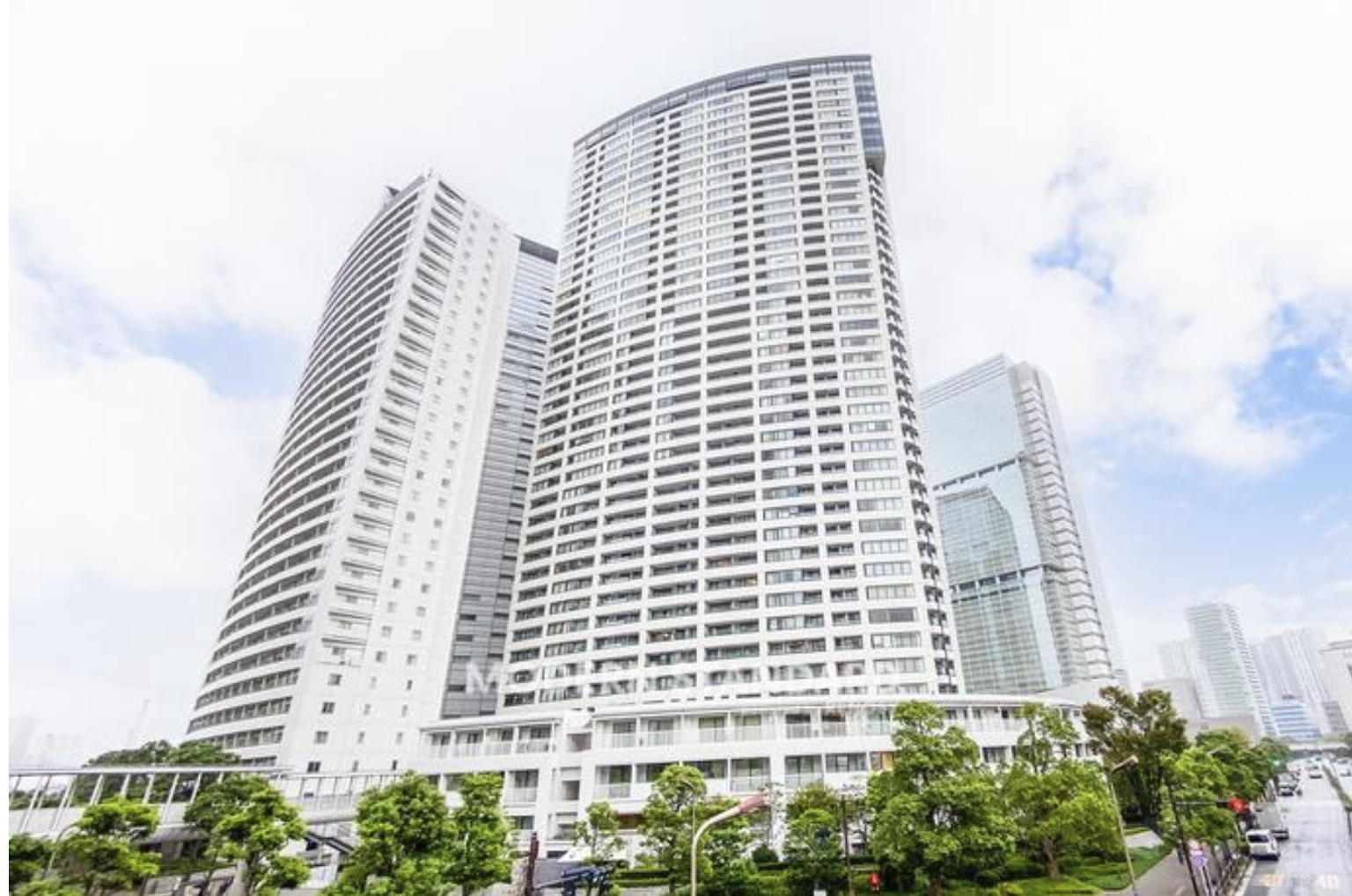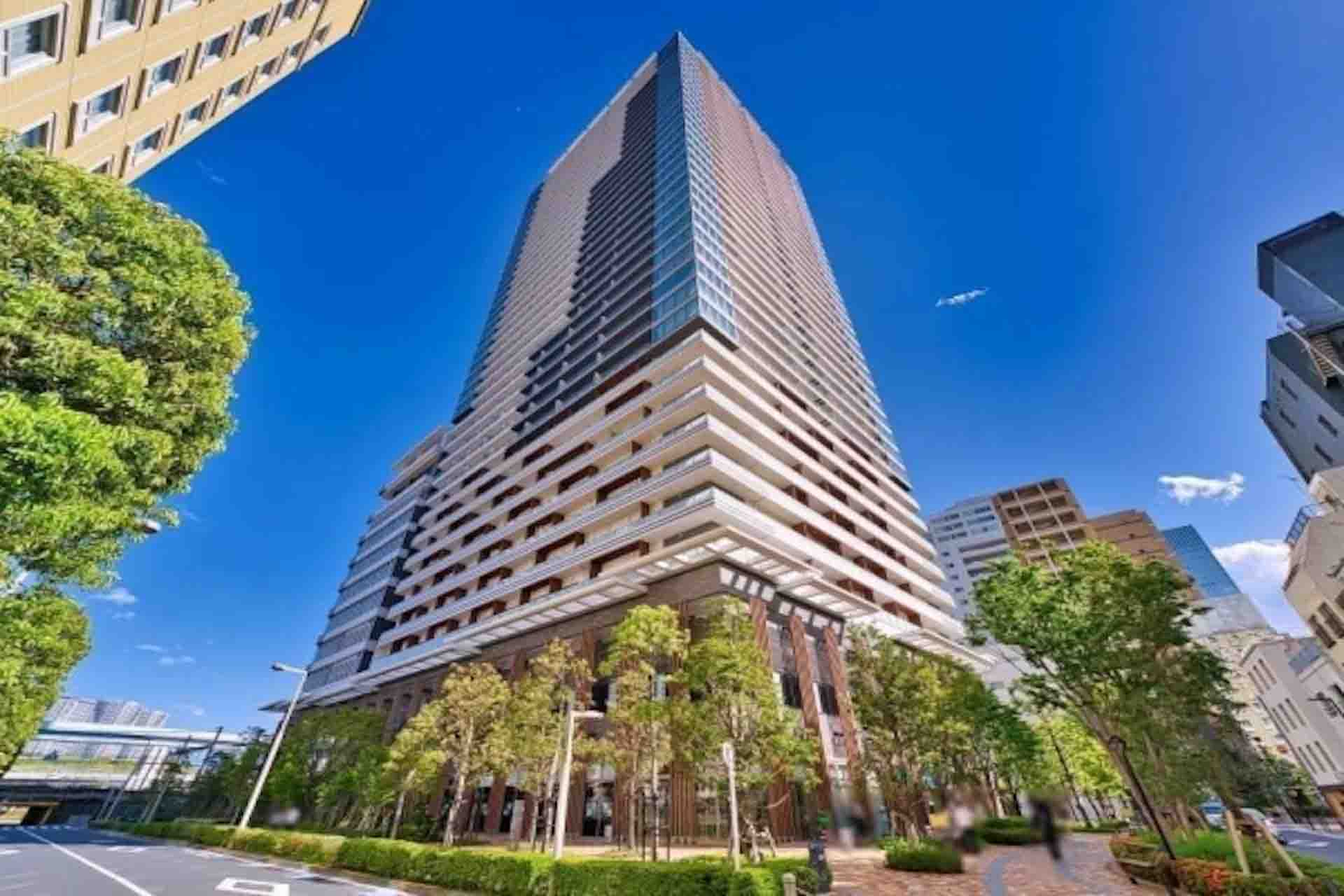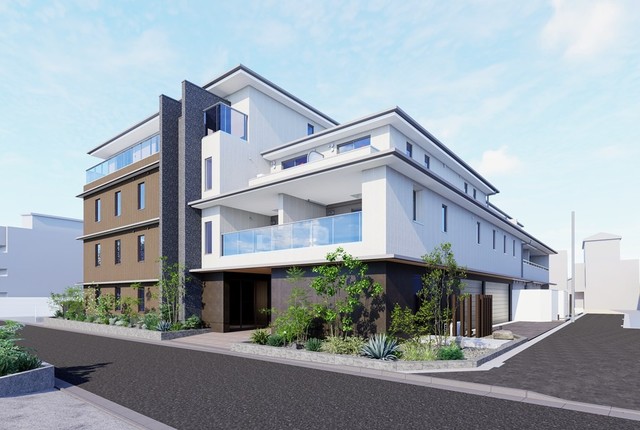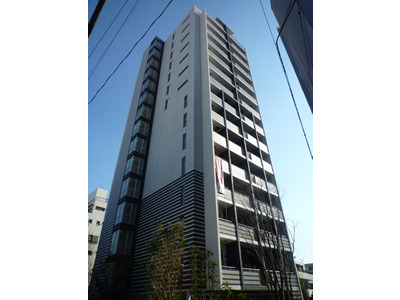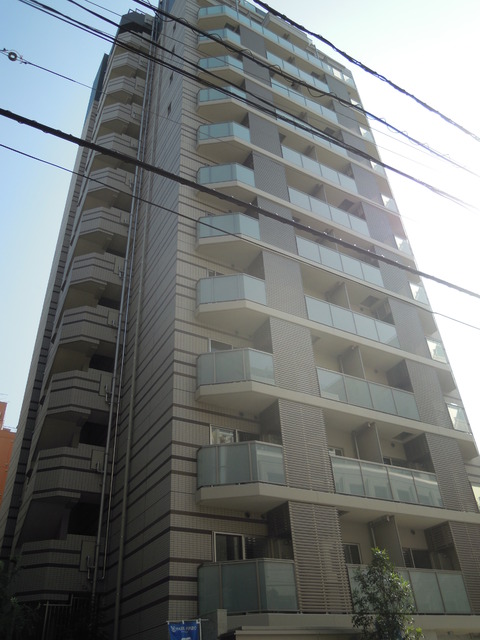

Finding parking in Tokyo is far more difficult than in many other cities. Most homes and apartment buildings do not come with a parking space, so drivers must rely on commercial lots.
Tokyo also ranks among the world’s most expensive cities for parking. Short-term parking costs range from ¥100 to ¥500 per 30 minutes, while monthly parking can reach ¥30,000 to ¥80,000 or more, depending on location.
On top of the cost, Japan’s regulations make car ownership more complicated. Under the Garage Act of 1962, anyone who wants to register a vehicle in Tokyo must first prove they have a designated parking space. This requires obtaining a parking certificate from the police.
Street parking is almost non-existent in Tokyo. Cars cannot be left overnight in residential areas, and metered spaces are limited and strictly time-controlled.
In this article, we’ll outline the main parking options in Tokyo, explain the rules for both residents and visitors, break down the typical costs, and cover the process for securing a parking certificate.
Do Tokyo Apartments and Homes Have Parking?
Most Tokyo apartments do not include a parking space. Japan’s Building Law does not require developers to add parking to condominium buildings, and while some local governments set minimum ratios for multi-family housing, these vary by municipality.
When parking is offered in apartment buildings, residents generally get priority over outsiders, and fees are lower than in commercial lots. However, availability is limited, and many residents still need to look for monthly rental lots nearby.
Types of Parking in Tokyo
Tokyo has several parking systems to manage limited space. From simple flat lots to advanced automated towers, each option comes with its own rules, costs, and restrictions.
Flat Parking Lots
Flat parking lots are the simplest arrangement. They sit next to buildings or on the ground floor and are preferred by residents because they are fast and convenient.
Demand is high for flat lots, so usage fees are usually more expensive than mechanical systems. Residents often get priority access when these are available.
Mechanical Car Stackers
Mechanical car stackers automatically move cars vertically or horizontally into compact storage bays. These systems became common in Tokyo during the 1960s, just before the Olympic Games.
They maximize land use in dense neighborhoods, but they also come with restrictions. Many systems only fit cars under 1.55 meters in height, which excludes larger SUVs.
Access hours can vary depending on the building. Some operate around the clock, while others limit access at night due to staffing needs or noise regulations.
Retrieving a car from a stacker takes more time than in a flat lot. Drivers may also need to fold in the side mirrors before leaving the vehicle.
Multi-Story Automated Parking Towers
Automated parking towers are tall, windowless structures often marked with a large “P.” Drivers leave their cars at an entry bay, and a lift transports the vehicle into a rack above.
These towers are computer-controlled to minimize wait times and use the shortest possible route for retrieval. Modern systems also include earthquake sensors and technology that keeps vehicles stable while being moved.
Underground Parking Garages
Underground garages are found in many newer buildings and luxury apartments. They provide weather protection and extra security.
Some combine flat parking with mechanical lifts to increase the number of cars they can hold.
Street Parking
Street parking in Tokyo is rare and strictly regulated. Cars cannot be left overnight on public roads.
In central business districts, there are some metered spaces marked with blue “P” signs. These usually allow 10 to 60 minutes of parking and cost around ¥100 to ¥300 per interval.
Meters generally accept only ¥100 coins. To help drivers, the Metropolitan Police Department publishes maps of legal on-street parking in several languages.
Hourly Coin-Operated Parking (Koin Pākingu)
Coin-operated parking lots are the most common short-term option in Tokyo. They are often located near stations, shopping streets, and residential neighborhoods.
Older lots use flap-lock plates that rise under the car once parked. The plate lowers again when payment is made at the kiosk.
Newer lots rely on cameras to record license plates. Drivers enter their number at the pay station to confirm and pay before leaving.
Most facilities charge upon exit, but pre-payment systems are becoming more common. It is essential to check the rules of each lot before leaving your car.
Monthly Rental Parking (Tsukigime-Chūshajō)
Residents depend on monthly rental parking for long-term use. To register a car in Tokyo, they must first secure a space and obtain a parking certificate, known as shako shomeisho, from the police.
The parking space must be within two kilometers of the driver’s home. This rule is strictly enforced in Tokyo’s 23 wards.
Contracts typically last for six to twelve months. To cancel, residents must give at least one month’s notice.
Suburban Houses and Luxury Properties
Parking becomes easier outside central Tokyo. Many single-family houses include a garage, a carport, or an uncovered parking space on the property.
Luxury condominiums and serviced apartments often provide parking for residents. Some new developments sell spaces directly, sometimes under long-term leases of 30 to 60 years.
Detached homes in rich neighborhoods may include multiple parking spaces, reflecting the greater land availability outside the city center.
Parking Costs by Area in Tokyo
Parking costs vary dramatically across Tokyo, with central areas commanding the highest rates.
In the 23 wards, the average monthly fee is around ¥30,000-¥40,000, but this can increase substantially in the most central locations.
Central Tokyo
In central wards such as Chiyoda, Chūō, Minato, Shinjuku, and Shibuya, monthly fees are significantly higher than in the outer wards. Spaces in business districts are in constant demand, and prices reflect that scarcity.
The average monthly cost in central Tokyo often exceeds ¥50,000. Indoor parking spots in ultra-prime areas like Roppongi or Ginza can reach ¥70,000-¥80,000 per month. Some extreme cases even surpass ¥80,000 for a single space.
Hourly parking in these areas is also expensive. For example, at Shibuya Parco, rates start at ¥320 per 30 minutes on weekdays and ¥400 on weekends, with a maximum of about ¥2,800 per day.
Residential Areas
More moderate pricing can be found in neighborhoods like Asakusa and Ueno. These areas still provide reasonable access to central Tokyo, but at lower costs for residents.
In outer wards such as Nerima or Edogawa, a surface lot in a residential neighborhood typically costs ¥15,000-¥20,000 per month. These lower rates make them attractive for families and long-term residents.
Hourly parking also varies by area and provider. In some parts of central Tokyo, drivers might pay ¥100 per 20 minutes, while in suburban areas the same fee could cover up to five hours of parking.
Suburban Tokyo
In suburban Tokyo, especially in the western outskirts outside the 23 wards, monthly parking becomes far more affordable. Spaces can be found for around ¥10,000 or even less.
This starkly contrasts with the national average, where a private car owner pays about ¥8,300 per month for a parking space.
The comparison shows just how expensive Tokyo is relative to the rest of Japan.
Airport Parking
Haneda Airport has five major parking lots: P1 through P4 for domestic terminals, and P5 for international. The domestic lots are directly connected to the terminals, making them the most convenient.
Rates at Haneda start at ¥200 per 30 minutes for up to 8 hours. After that, the fee changes to ¥150 per hour, with a maximum of ¥3,400 for 24 hours. This makes Haneda parking relatively affordable compared to central city rates.
Reservations are highly recommended during peak travel seasons. They cost between ¥1,000 and ¥1,400 depending on the lot, but they guarantee a space, which can be essential when demand is high.
Daily and Tourist Rates
For tourists and short-term visitors, daily parking rates usually fall between ¥1,000 and ¥3,000. In central areas, prices often range from ¥100 per 15 minutes up to ¥500 per hour.
Some lots offer maximum daytime rates, such as ¥1,500–¥2,500 for the period between 8:00 and 20:00. Overnight maximums are usually lower, making it cheaper to leave a car parked during the night.
How to Find and Use Parking in Tokyo?
Successfully parking in Tokyo requires knowing where to look and how different systems operate.
Finding Parking Spots
Several Japanese websites specialize in listing monthly parking spaces. At Parking (at-parking.jp), for example, lists more than 16,000 spots across Tokyo and reports an average fee of around ¥21,800.
Mobile apps like Akippa and Nokisaki Parking have become popular in recent years. These allow individuals to rent out unused spaces by the day or month, providing flexibility beyond traditional lots.
Walking or driving around your neighborhood can also be effective. Signs such as “月極駐車場” (tsukigime chūshajō, monthly parking lot) or “駐車場 空きあり” (chūshajō aki ari, parking available) indicate spaces that may be open for rent.
Real estate agencies sometimes assist with parking searches. If you are renting a home through an agency, they can often help secure a monthly parking space nearby.
Payment Procedures
Cash remains the standard form of payment for most parking facilities. Many machines only accept coins or ¥1,000 bills, so carrying change is essential.
Some machines now accept credit cards or electronic payments, but these are not yet universal. Visitors should still plan to have cash on hand.
Modern pay stations increasingly support IC cards such as Suica and Pasmo. These cards offer a convenient tap-to-pay option in facilities equipped with the right machines.
Using Parking Systems
Many lots operate on a ticket-based system. Drivers take a ticket at the gate when entering and pay at the machine before exiting.
License plate recognition systems are also common. A camera detects the plate when entering, and drivers confirm their number at the kiosk when paying to leave.
Another common system is the flap-lock. A metal plate rises beneath the car once parked and will only lower after the parking fee is paid at the machine. Drivers must remember their slot number to release their vehicle.
Parking Rules and Etiquette
Reverse parking is considered standard practice in Japan. Spaces are narrow, and backing in makes it easier and safer to exit with a clear view of traffic.
Drivers must be aware of strict size limits. Each lot lists its maximum vehicle dimensions, and failing to check could result in your car not fitting.
Hourly parking lots are designed for temporary use. Leaving a car for days at a time can result in penalties or additional charges.
Navigation and Signs
Parking areas are usually marked with the circled “P” symbol. These signs show prices, operating hours, and availability. The kanji “空” (kū) means empty, while “満” (man) means full.
Many new parking meters and machines in tourist-heavy areas offer English-language guidance. This makes navigation easier for visitors unfamiliar with Japanese.
Common Problems and Solutions
Language barriers remain an issue in some lots. Learning key kanji such as 「精算」 (seisan, payment), 「番号 」 (bangō, number), 「確認」 (kakunin, confirm), and 「円」 (en, yen) can help.
Machines are sensitive to the bill’s condition. Stained or crumpled notes are often rejected, requiring drivers to try again with a cleaner bill.
Another common problem is vehicle size. Some newcomers secure a contract only to realize their car barely fits or doesn’t fit at all, creating an expensive mistake.
How to Obtain a Parking Certificate and Legal Requirements
Owning a car in Tokyo requires more than just purchasing the vehicle. Residents must prove they have secured adequate parking before the car can be registered.
This is done through the parking certificate, or shako shomeisho.
What Is a Parking Certificate?
The parking certificate is a document issued by the police under the Garage Act of 1962. It confirms that the car owner has a legal parking space available for their vehicle.
Without this certificate, dealers will not release a new car, and registration cannot be completed. The law is designed to prevent cars from being left on public streets, which are too narrow and crowded to accommodate overnight parking.
Key Requirements
The parking space must be located within two kilometers of the owner’s residence, measured in a straight line. This proximity rule is strictly enforced in all 23 wards of Tokyo.
The space must also be large enough for the car’s dimensions. If the vehicle does not fit comfortably, the certificate will not be issued.
Steps to Apply
Applicants must prepare supporting documents before visiting the police station. These include a parking space contract or permission to use the spot, a location map, a parking layout diagram, and the official application forms.
The application must be submitted at the police station with jurisdiction over the parking space. If the space is in a different ward from your residence, you must apply at the relevant station for that location.
The application fee in Tokyo is usually ¥2,100. In addition, a parking sticker known as the hokansho costs ¥500. This sticker must be affixed to the vehicle to show that it has an approved parking space.
Processing typically takes between three and seven days.
Police Inspection
After the application is filed, a police officer visits the site to verify the details. They measure the space, confirm that the car will fit, and ensure the location matches the documents provided.
You do not need to be present during this inspection. Once approved, the certificate is issued and is valid for one month. Car registration must be completed within that time.
Documentation Needed
Proof of your right to use the parking space is essential. This could be a signed contract with a parking company, a landlord’s permission letter, or a purchase agreement for the space.
Applicants must also provide a simple map and diagram. These show where the parking space is located relative to the residence and include a layout sketch of the spot itself.
Upfront Parking Costs
Monthly parking contracts in Tokyo often involve high upfront expenses. Before using the space, you may need to pay a refundable deposit, one month of key money, and one month of rent in advance.
In total, the initial outlay is often equal to about three months of rent. Additional small official charges also apply, such as the ¥2,100 application fee and the ¥500 hokansho sticker.
Parking Alternatives in Tokyo
Given Tokyo’s high parking costs and strict limitations, many residents and visitors turn to alternatives. These options can reduce expenses and avoid the stress of finding a space in the city center.
Park and Ride Options
If you are staying outside central Tokyo, a practical option is to park near a suburban train station and use public transport to reach downtown. This “Park and Ride” strategy is common and helps avoid city congestion.
The combined cost of suburban parking and train fares is often lower than central Tokyo parking fees. In many cases, it also provides faster access to destinations than driving.
Car Sharing Services
Car sharing has become a popular alternative to ownership. Times Car Plus, Japan’s largest network, offers vehicles throughout Tokyo that can be rented by the hour.
Other providers also operate across the city, offering flexible short-term rentals. For people who only drive occasionally, these services are usually more economical than paying for both ownership and parking.
For weekend-only drivers, coin-operated lots may suffice, but for irregular use, car sharing is usually the better value.
Public Transportation Integration
Tokyo’s public transportation network is one of the most efficient in the world. This coverage is a major reason why many households avoid owning a car.
Surveys show that around two-thirds of households in central Tokyo do not own a car. For most families, the costs of parking outweigh the actual running costs of a vehicle.
When Parking Isn’t Worth the Cost
Residents of central Tokyo often choose not to own cars. Excellent public transport, combined with extremely high parking costs, makes ownership impractical.
Tourists face the same reality. For visitors staying in central areas, the combination of parking fees, congestion, and reliable public transport means taxis or trains are more sensible than rental cars.
Tokyo consistently ranks among the world’s most expensive cities for parking. For many people, the fees alone make ownership hard to justify.
Free Parking Options
Some convenience stores and supermarkets offer free parking for a limited time. Depending on the location, you may be able to park for 30 minutes or more without charge.
Shopping centers often provide validation systems. Customers who spend a certain amount, such as ¥2,000 or more, may receive several hours of free parking.
For example, a facility may offer three hours of free parking upon arrival, with fees charged after that. Others extend the free period if you meet the minimum purchase amount.
Conclusion
Tokyo’s parking challenges require planning and knowledge of local systems. Both tourists and residents must carefully weigh costs, convenience, and practicality before deciding to drive.
For visitors, hourly parking combined with public transport is usually the most practical choice. For residents, meeting the legal requirements and budgeting for high monthly fees is essential before purchasing a car.
At Tokyo Portfolio, we can help you find housing options in Tokyo that also include suitable parking. Contact us today to learn more.